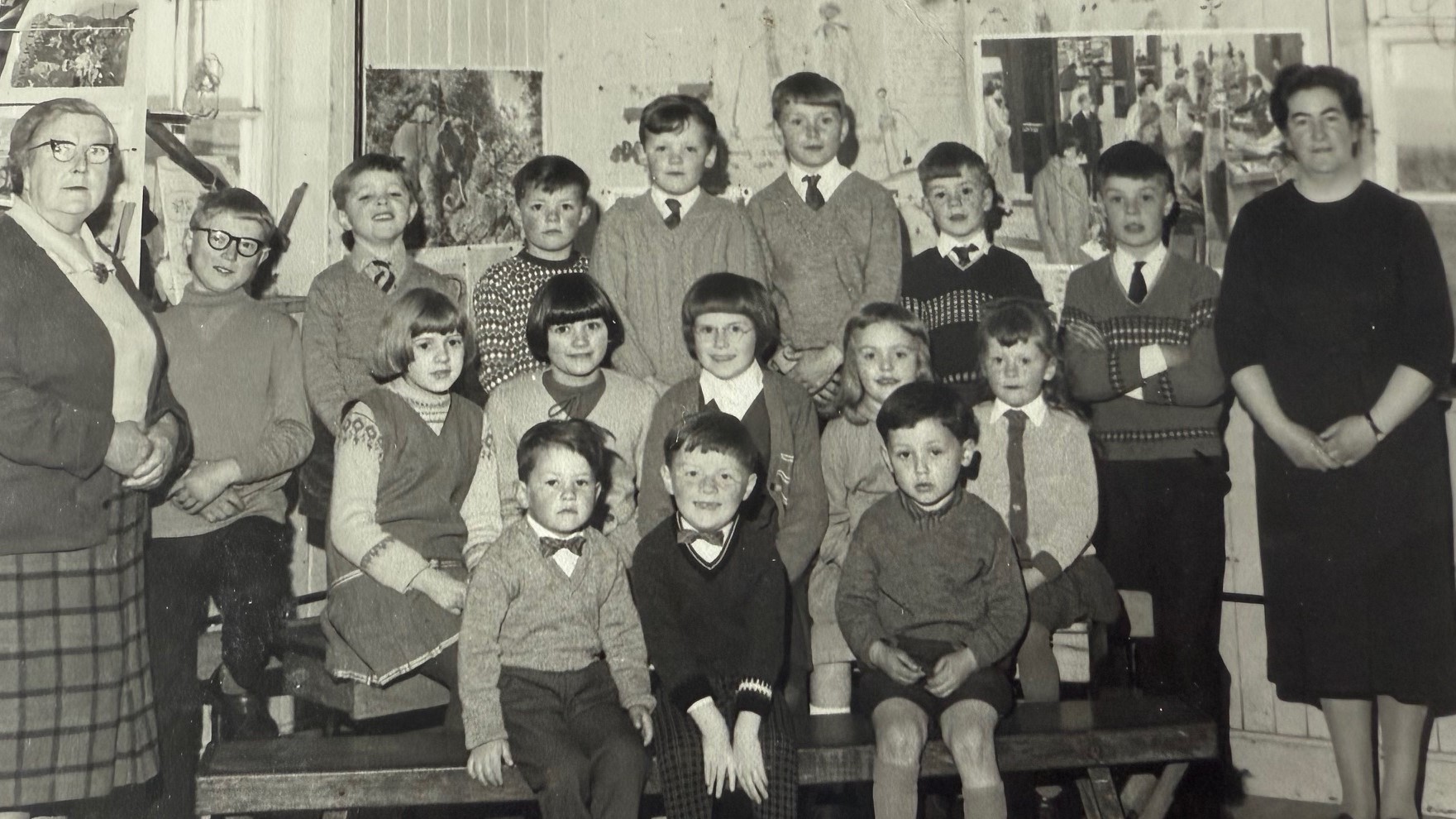
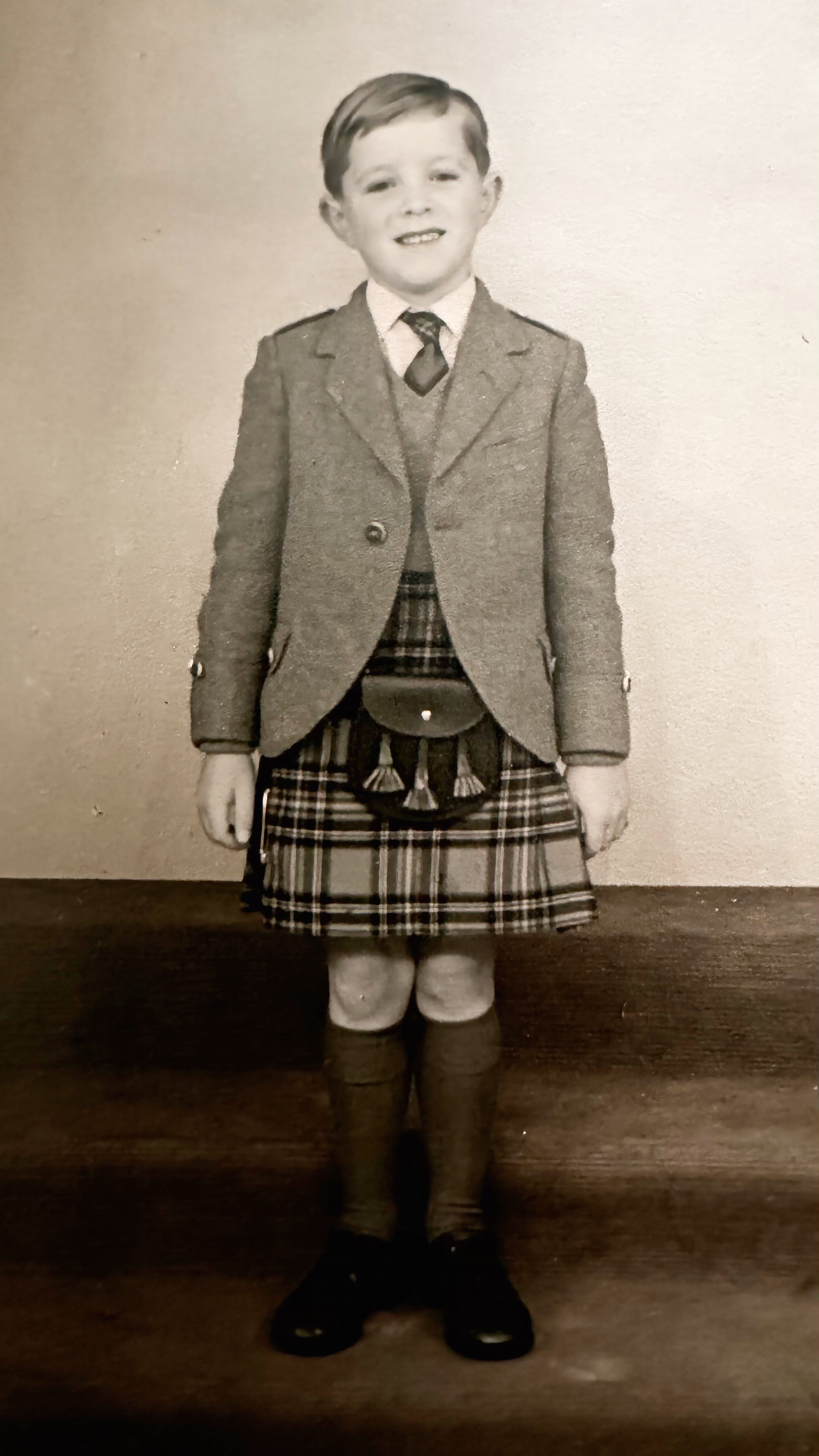
 In conversation with Gordon Wells, James MacLetchie from Sollas reflects on his life to date in North Uist, the island he’s called home since first coming here as a child from a mainland care setting, paying particular attention to the special natural and cultural environment to which he’s been exposed from a young age through the Gaelic community language.
Here’s the full conversation, unfiltered and unsubtitled.
We’ve also cut the conversation up into smaller chunks and added subtitles and Clilstore transcriptions to help learners or non-speakers of Gaelic get a sense of how James feels about his connection to North Uist. (You can use the YouTube settings wheel to slow the speed or to get auto-translations of the subtitles into many other languages, including English. Clilstore transcriptions have the video embedded and also offer one-click dictionary translation of any words you don’t know.)
In Part 1, James tells Gordon the story of his earliest childhood memories of coming to live on the island and meeting his new parents. He paints a vivid picture of his first impressions, and goes on to describe his acquisition of Gaelic in its natural community context. He doesn’t remember actively learning it. It came to him. (Clilstore unit: https://multidict.net/cs/12159)
In Part 2, James identifies his parents through their traditional patronymics and explains how their family and community connections in both North Uist and Harris enabled his own seamless integration into local networks and cèilidh culture. He talks about his own relationship with Gaelic, his life being unimaginable without it, and how he feels it opens doors to other cultures, illustrated by a story of a chance encounter with Native Americans in the USA. (Clilstore unit: https://multidict.net/cs/12160)
In Part 3, speaking about his particular interest in the environment, James explains how he grew up with friends and neighbours who passed on knowledge and lore about local flora and fauna. Returning to the island after being briefly wrenched away, he found his greatest comfort from any underlying insecurity in the physical environment around him. He liked to read what he could on related topics, and eventually found work as a ranger. (Clilstore unit: https://multidict.net/cs/12161)
 In Part 4, with his work as a tour guide frequently taking him off-island, James meditates on what “dachaigh” (home) means to him, and its associations with “buinteanas” (connection). In so doing he name-checks many school-friends and other community members, and highlights the natural familiarity that connects them through Gaelic. This stands in awkward contrast with imported changes to the language that he also perceives, and he clings to the memory of his father’s mastery of old poetry. (Clilstore unit: https://multidict.net/cs/12162)
In Part 5, James develops some thoughts and explanation about his own writing of poetry and songs, and some of the influences on that, and he acknowledges the increasing difficulty of passing on to new generations the kind of knowledge he acquired through community interaction in Gaelic that is now much weakened. Yet he takes positive inspiration from others like him who were taken into families in the community as children, and who found true value in the language and have worked to support the culture. (Clilstore unit: https://multidict.net/cs/12163)
This work is supported by the CIALL project at the University of the Highlands and Islands Language Sciences Institute.

This is a wonderful interview. My father was from Knockintorran but didn’t encourage me to learn Gaelic as he felt it was a dying language (which it probably was at that time, the 1970s) and despite a few attempts I have never been successful in learning the language. I would have loved to have learned it as James did as a child. So it was great to have the subtitles in English (although part 3 is missing them), it was so interesting to hear James’s story.
Ah, sorry, Alison! Forgot to press “publish” for the Part 3 subtitles. Now rectified. Thanks for the kind words and pointing out the problem! Gaelic is a great language to learn – at whatever age. My mother was from the same parts, but we never got the chance to learn as kids. I was 30 before I started doing something about it… There are many different ways to go about that. Perhaps you haven’t found the right one yet? Plenty of listening practice is certainly a part of that – which is perhaps where Island Voices can help…
A lot of the sounds in Gaelic must surely come from the sounds in the landscape – water rushing over rocks, bird calls, seal call. Sound connects us to our surroundings – all fascinating stuff. I was first on Uist in 1972 to visit family and always return “home”. Still trying to learn Gaelic though!