Gaelic Jorni

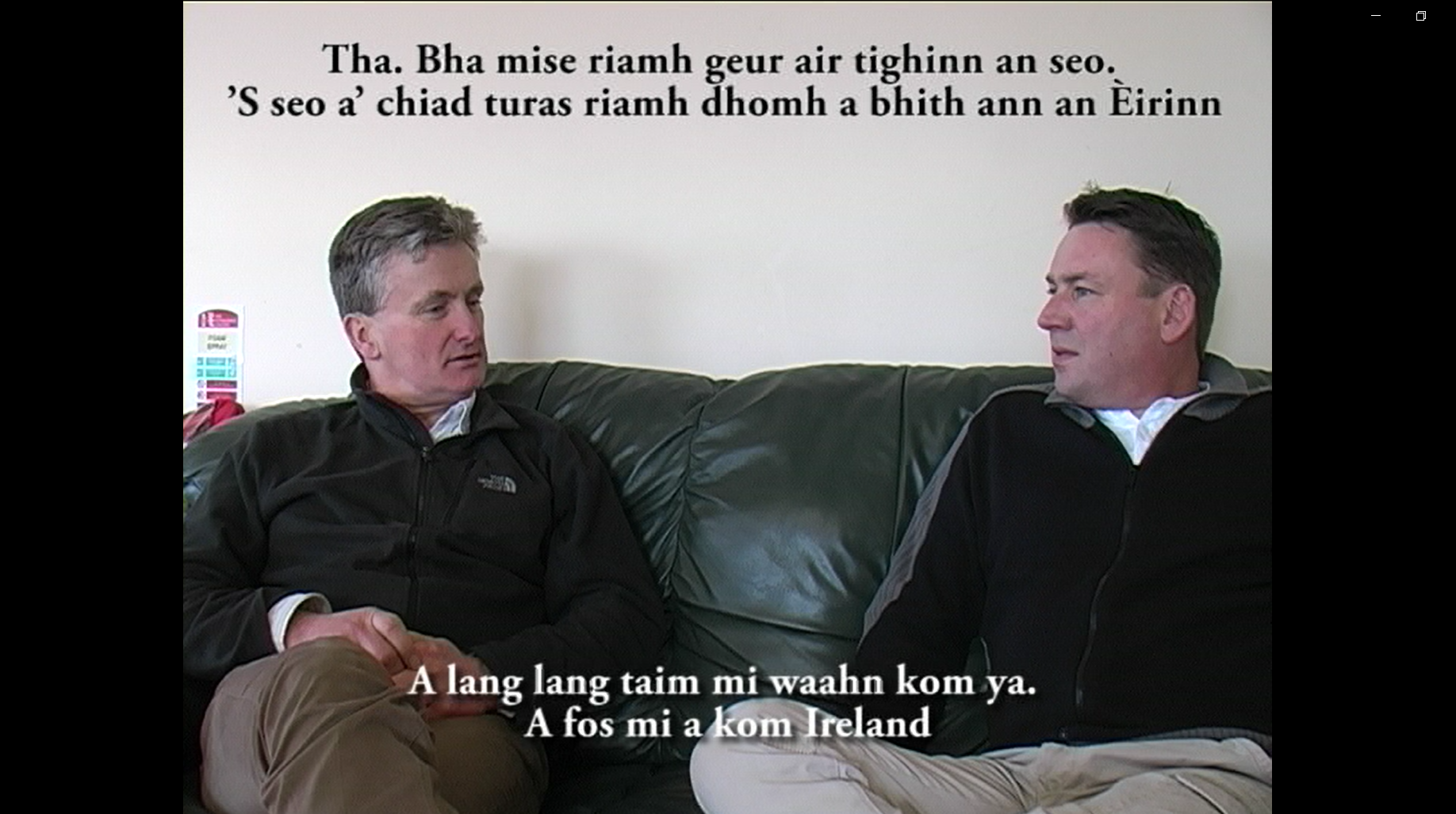
Jorni3“Winta jos a ton ina spring ina di Outer Hebrides, we de pan Scotland wes kuos. Di priti plies dem mek yu memba se dem ailan ya suun fulop a piipl we lef dem yaad an kom pan alidie ina di at mont dem we suun riich, bot rait ya nou wan gruup a luokal piipl a go pan a chrip pan di Naatwes kuos a Ireland. Bak ina di diez,  dem wuda chavl bai waata an wuda go fram ailan tu ailan ina dis lang schring a komyuuniti we piipl ongl chat Gaelic. Bot nou-a-diez Benbecula ierpuot gi piipl wan iiziya an muo komfatebl wie fi go bout dem bizniz…” (Jamiekan)

“Mu dheireadh thall tha sinn a’ cur ar cul ris a’ Gheamhradh anns na h-Eileanan Siar, sa chuan pìos a-mach à taobh an iar na h-Alba. Tha na seallaidhean àlainn gar cuimhneachadh gum bi luchd-turais gu leòr a’ tighinn ann am mìosan blàth an t-samhraidh. Ach an-diugh fhèin tha sgioba de dh’Eileanaich a’ dèanamh an slìghe gu taobh an iar-thuath na h-Èirinn. Aig aon àm, b’ e bàta a bhiodh aca, a’ leum bho eilean gu eilean ann an sreath slàn de choimhearsnachdan Gàidhlig, ach tha port-adhair Bheinn na Faoghla a’ dèanamh gnothaichean nas fhasa dhaibh an-diugh…” (Gàidhlig)
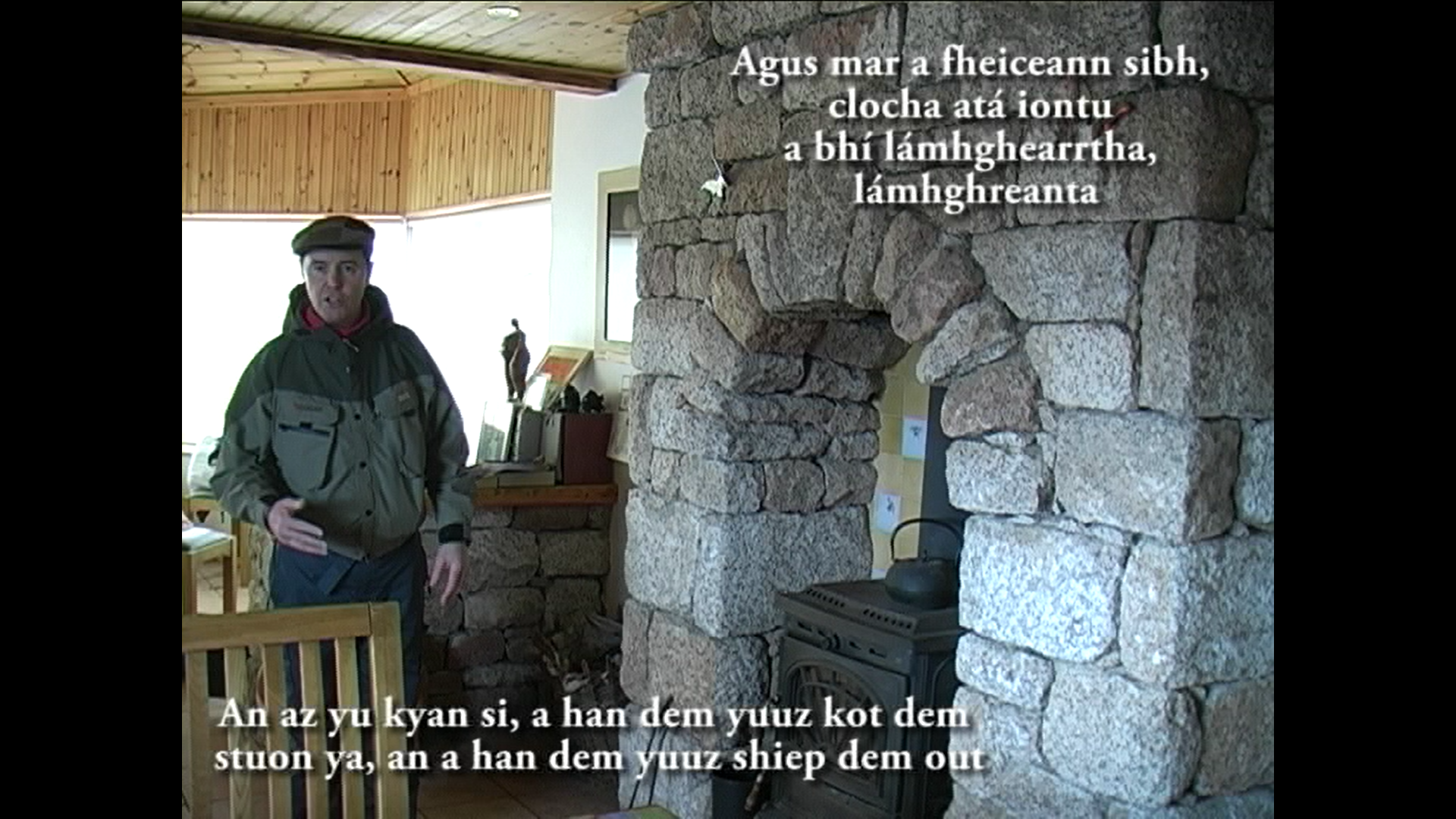
Jorni2“Tá an tEarrach ag teacht sna hOileáin Siar amach ó chósta thiar na hAlban. Cuireann na radharcanna áille i gcuimhne dúinn go mbeidh neart turasóirí ag triall ar na hoileáin seo sna míonna teo atá le teacht. Ach san am i láthair tá buíon oileánach ag imeacht ar thuras go cósta Iarthuaiscirt na hÉireann. Blianta ó shin is turas farraige a bheadh ann, ag imeacht ó oileán go hoileán i slabhra de phobail Ghaeltachta. Ach anois cuireann Aerfort Bheinn A Faoghla modh níos áisiúla taistil ar fail…” (Gaeilge)

“Winter is just turning to spring in the Outer Hebrides, off the west coast of Scotland. Picturesque scenes are a reminder that these islands will host a steady stream of holidaymakers in the warmer months to come, but right now a team of islanders is heading off on a trip to the Northwest coast of Ireland. In earlier times the journey would have been by sea, hopping from island to island in an unbroken string of Gaelic-speaking communities. But now, Benbecula airport offers a more convenient means of travel…” (English)

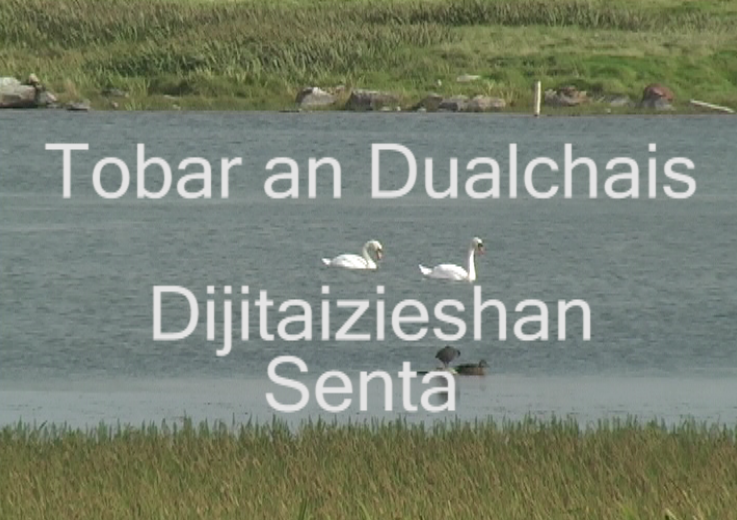
Following his work on the Tobar an Dualchais Dijitaizieshan Senta, Hugh Campbell of the University of the West Indies Jamaican Language Unit has kindly voiced another Island Voices film – the “Gaelic Jorni” documenting the seminal linkage with Irish language speakers in Donegal.

As with his first film, this is part of the transnational “Mediating Multilingualism” project linking Scottish, Indian, and Jamaican universities. Congratulations also to the UHI IT team for adding Jamaican to the growing list of languages in which the university’s webpages are now available!
Taisce Bheo: Caitlín Ní Bhroin

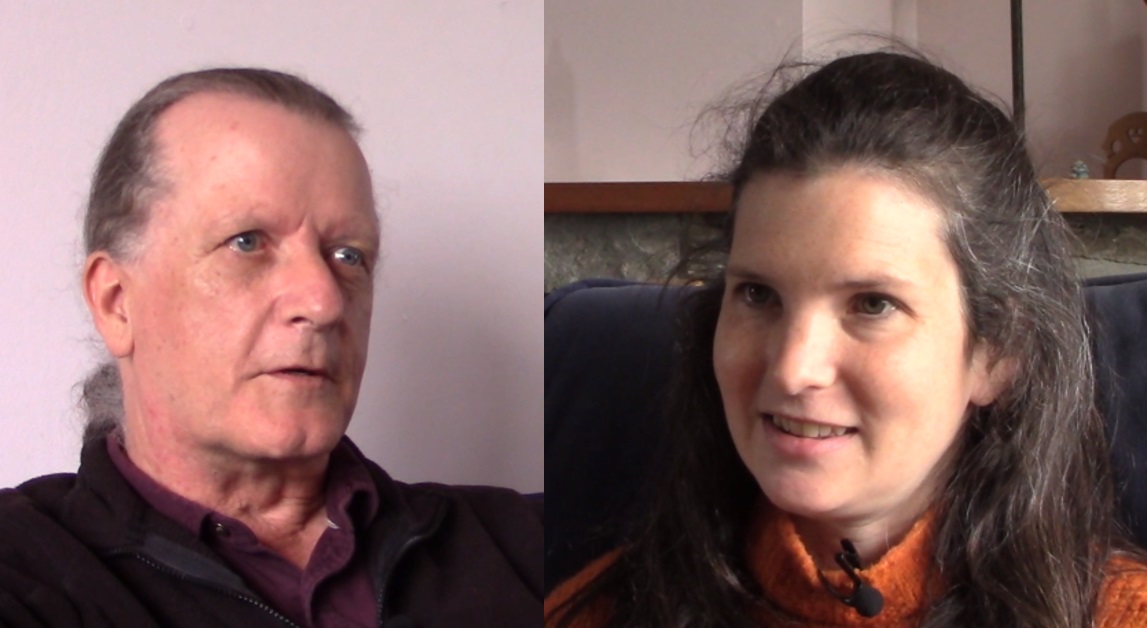
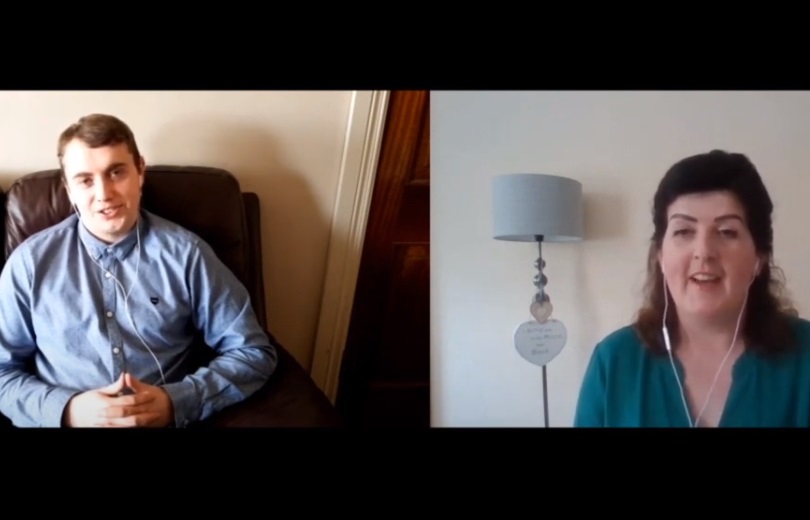
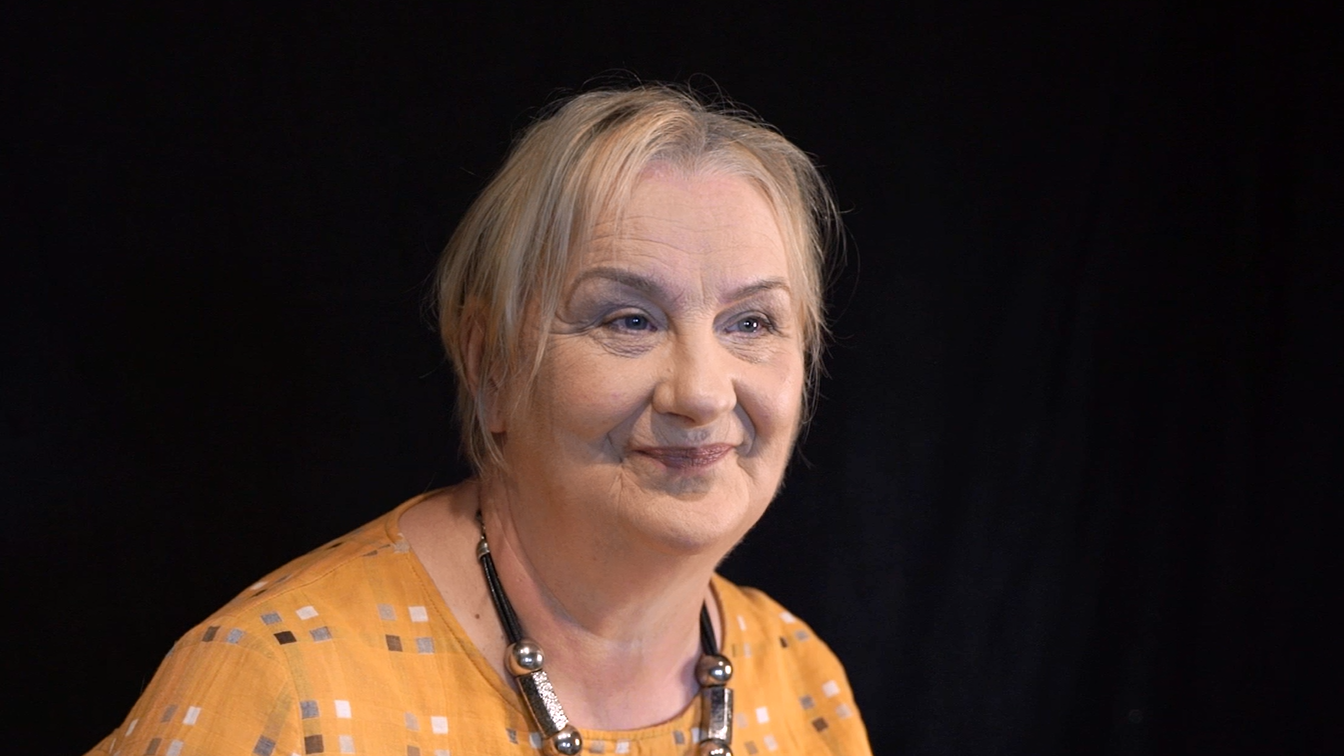
ColmagusCaitlínColm Mac Giolla Easpaig from Gweedore speaks to Caitlín Ní Bhroin from Magheroarty.

Although originally from Magherorarty, Caitlín has spent time living in the six counties and currently lives outside Letterkenny while working in the Gaeltacht Láir.

In the first part of the conversation, she speaks about her family and her upbringing as well as some of the customs and superstitions in the area. She goes on to speak about her work-life and the initiatives she has been involved in to help the inhabitants of Fintown, Edeninfagh and Doochary.

A wordlinked transcript alongside the embedded video is available here: https://multidict.net/cs/10116

In this second part, Caitlín speaks about her educational background. She then speaks about her love of placenames and explains the meaning of some local names. She goes on to give details about a campaign in which she is involved which hopes to save the bays of her hometown. Finally, she describes what she would do if she were to win the National Lottery.

A wordlinked transcript alongside the embedded video is available here: https://multidict.net/cs/10118

Part of the Taisce Bheo na nGael project in which the UHI Language Sciences Institute with Sabhal Mòr Ostaig and Soillse, together with Irish partners, record the natural speech of Irish and Scottish Gaelic speakers in their own communities with user-friendly equipment and techniques. This is the second set of recordings in Irish, following the earlier release of the conversation with Clíona Ní Ghallachóir. Once again, we’re indebted to Dr Gearóid Ó Domagáin of Ulster University for his meticulous work on the transcriptions.

Seanchas le Magaidh Smith

Maggie (2)“Bhuail e mi nach eil cruinneachadh de sheanchas a tha a’ buntainn ri Sgìre nan Loch an àite sam bith, is gum bu chòir dhomh cuid aca a thoirt cruinn agus mar a bha sa chleachdadh bho chionn fhada an aithris. ‘S e bha nam amharc gum biodh iad ri làimh dha daoine òga a tha ag iarraidh an aithris aig a’ Mhòd, no aig a bheil ùidh ann am beatha anns an sgìre bho chionn fhada”.

Magaidh Smith explains how the need for a collection of traditional tales from the Lochs district motivated her to record some in the old style. They might be useful for young people entering the Mòd, or who are interested in the traditional life of the area. We’re delighted that she offered them to Island Voices to place online. They will also contribute to the Stòras Beò collection.

Here she retells the story of Calum Bàn, Tacksman of Laxay, from her own knowledge of oral tradition.

You can access a wordlinked transcript on Clilstore with the video embedded here: https://multidict.net/cs/10037

Here she brings back to Gaelic life a story from William Cummings’ edited collection “Family Traditions: John Macleod, 11 Melbost”.

You can access a wordlinked transcript on Clilstore with the video embedded here: https://multidict.net/cs/10036

Cànain eileanach eile

Dhaibhsan a dh’fhaodadh a bhith ag iarraidh Gàidhlig sgrìobhte fhaicinn an seo bho àm gu àm, seo dà alt a nochd o chionn treiseag ann an “Sgrìobag” – a’ chuairt-litir aig Sabhal Mòr Ostaig – air an cur còmhla. ’S ann mu dheidhinn Uidsianàguidsidh agus Diaimeugan a bha iad.

“Uidsianàguidsidh”?? Seadh, sin mar a dh’fhaodadh tu うちなーぐち, ainm cànan Okinawa, a sgrìobhadh ann an Gàidhlig, nam biodh feum air – mar a bha aig Caoimhín Ó Donnaíle nuair a sgrìobh e duilleag ghoirid ma deidhinn airson an Uicipeid.

Agus carson a rinn e sin? Leis gun tug Gordon Wells air aonad Chlilstore a thogail sa chànan sin, a rachadh le film mu dheidhinn Sabhal Mòr Ostaig a chaidh a dhèanamh airson Guthan nan Eilean. Chan e obair bheag a bha sin. Leis nach eil faclair air-loidhne ann airson Uidsianàguidsidh, bha feum air “custom wordlist” a chur cuide ris. ’S e rud gu tur ùr a tha sin airson Clilstore, a bhios gu math feumail le mion-chànain eile a tha san aon staing.

Bidh cuimhne aig cuid gun deach am film seo a dhèanamh ann an Gàidhlig agus Beurla an toiseach, le tionndadh ann am Breatnais a’ tighinn a-mach as dèidh sin.

Cha bhithear a’ cluinntinn mòran mu dheidhinn Uidsianàguidsidh ann an Alba, no fiù ’s ann an Seapan, ach ’s e cànan gu math inntinneach a th’ ann. Seo am film “ùr” air YouTube le ceangal ri Clilstore na lùib:

Agus seo cànan ùr eileanach eile airson Clilstore. ’S e “Diaimeugan” – no “Jamiekan” mar a chuireas iad air san speiligeadh aca fhèin – an crìtheol a thathas a’ bruidhinn air an eilean ud air taobh thall a’ Chuain Siar, ach a chluinneas tric gu leòr san dùthaich seo cuideachd, gu h-àraid mas math leat ceòl Reggae no Dancehall.

Co-dhiù, tron phròiseact “Mediating Multilingualism”, tha Gòrdan agus Caoimhín air a bhith ag obair airson ’s gum biodh e comasach an aon seòrsa rud a dhèanamh ann an Diaimeugan le Clilstore agus a thèid a dhèanamh a-nis le Uidsianàguidsidh agus iomadach cànan eile, Gàidhlig (an dà chuid Albannach is Èireannach) nam measg. Chaidh aca air a’ chiad eisimpleir a chruthachadh o chionn ghoird, le tòrr a bharrachd fhathast ri teachd.

A-rithist, ’s e seann fhilm le Guthan nan Eilean a chaidh a chleachdadh airson an siostam fheuchainn a-mach, an turas seo air Tobar an Dualchais agus an t-ionad a b’ àbhaist a bhith aca ann an Loch Baghasdail deich bliadhna air ais. Mòran taing do Hugh Caimbeul aig an Jamaican Language Unit aig Oilthigh nan Innseachan an Iar airson a ghuth a chur ris. Bidh cuimhne aig cuid gu bheil tionndadh eile ann ann an Sgots mar-thà le Alistair Heather, a bharrachd air Gàidhlig is Beurla.

Faodar barrachd a leughadh ann am Beurla air ar blog mu dheidhinn an dà chuid Uidsianàguidsidh agus Diaimeugan agus mar a tha iad a’ cur ris na cànain eile againn. Tha 21 againn uile gu lèir a-nis. Cò an ath fhear?

Stòras Beò: Anna Frater

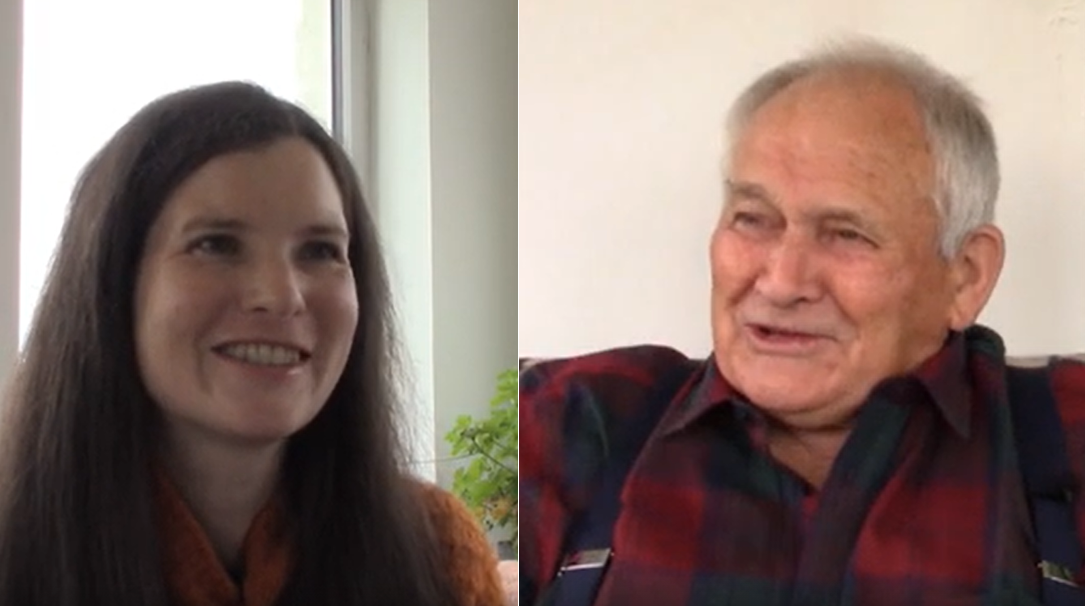
AnnaagusPadruigThe poet and UHI lecturer Dr Anne Frater was born in Stornoway, Isle of Lewis, and brought up in the village of Upper Bayble in the district of Point, a small community which has also been home to Derick Thomson and Iain Crichton Smith.

Here, she talks to Pàdruig Moireach for the Stòras Beò nan Gàidheal project.

In the first part she talks about her family and early childhood in Point. Her mother was a teacher and her father at sea. She recalls with appreciation her primary schooling at Sgoil Phabail, and the breadth of extra-curricular activity enabled by her teachers, extending into the 2-year secondary stage. Participation in inter-school activities and local mods, where she won her first poetry prize, is fondly remembered. The area has changed, with much less working on the land. There are many new houses, and more children around again now after a period when there were very few.

A wordlinked transcript alongside the embedded video is available here: https://multidict.net/cs/10007

In the second part Anne talks about her experience as a pupil of the Nicolson Institute in Stornoway. She enjoyed the learning, though teenage years can be difficult. While she was interested in science her forte was languages. Again, she appreciated the teachers who encouraged or enabled the development of interests and activities outside the class, such as concerts or sales of work for charity. Then, at Glasgow University she studied French and Gaelic, spending a year in Brittany where she had some exposure to Breton. She liked Glasgow, and went on to do teacher training and then a PhD before finding media work with STV (on Machair) and the BBC (Eòrpa) in Gaelic, and with the Lesley Riddoch programme in English. But city life was beginning to pall, so she listened to her mother and returned to Lewis.

A wordlinked transcript alongside the embedded video is available here: https://multidict.net/cs/10008

In the third part Anne and Pàdruig recall the early years of the University of the Highlands and Islands, when colleges co-operated in the creation of Gaelic-medium courses. Anne appreciates the UHI mix of Higher and Further Education, and the opportunity to contribute to courses in Gaelic and English, as well as the range of delivery methods, including online for remote students. Moving on to her poetry, she reveals how her interest started at a young age, and the important influence of local bards, including women such as her great aunt Ciorstaidh Anna. At university Derick Thomson was also supportive, helping her get published in the Gaelic circular, Gairm. And she notes that his father James had been the local schoolmaster for earlier generations of local poets. She also discusses how her work is stimulated, whether through commission or spontaneously.

A wordlinked transcript alongside the embedded video is available here: https://multidict.net/cs/10009

In the fourth part, the conversation returns to changes in the area since Anne’s childhood. With less working on the land it has become more a family than a community activity. Stornoway seems quieter, though Sabbath observance has changed. While the community seems less close in some ways, lockdown brought out a strong co-operative spirit amongst neighbours. She considers the islands’ experience of the pandemic has been less burdensome than for many city dwellers. In discussing changing patterns of Gaelic use, she notes that nowadays many children attending Gaelic-medium education do not have the language at home. It is being left to the schools to teach it. There is a general assumption that young people do not speak it by preference. So using it with them, when their own parents don’t speak it, may raise interesting questions. Nevertheless, even though by census figures it is now a minority language in her own community there remains an appetite for Gaelic events.

A wordlinked transcript alongside the embedded video is available here: https://multidict.net/cs/10010

Hebridean Dijitaizieshan Senta

DijiSentaWahn shaat flim ina di Jamiekan langwij bout di Tobar an Dualchais (Well of Heritage) Dijitaizieshan Senta ina South Uist, ina di Outer Hebrides ina Scotland.

We were pleased to get Island Voices representation on the Digital Museum’s truly continent-spanning special event on International Mother Language Day this year. Starting in Bangladesh, where the movement began, the various sessions crossed Asia, Europe, and Africa, before finishing up with speakers from the Americas.

Gaelic was presented alongside Jamaican, and from that initial contact an exciting collaboration is growing up between the University of the Highlands and Islands Language Sciences Institute and the Jamaican Language Unit of the University of the West Indies Mona Campus. This is being developed through the enlargement of the inter-university Mediating Multilingualism project, which was already linking UHI with Indian partners.

The Jamaican Language Unit conducts research on the Jamaican language, and advocates for the recognition and officialisation of the language, and its teaching to native and non-native speakers. As part of Mediating Multilingualism it will oversee the creation of audio and audio-visual materials in the Jamaican language, the provision of transcripts, translations, and related lexicographic work, plus compilation of a 500,000-word corpus.

Test Clilstore units are now coming through, based on Island Voices documentary material, making use of the same Custom Wordlist function first tested out on Okinawan. Here’s an early sample, adding yet another language to our Other Tongues collection. The Tobar an Dualchais film was first made in Gaelic and English for Series Two Enterprise, with a Scots version following later. Many thanks to Hugh Campbell and the Jamaican Language Unit for this new production!

Hugh’s voiceover narration has been transcribed using the approved Cassidy-JLU orthography for the Jamaican language. Here’s the wordlinked Clilstore unit, with every word clickable for a Jamaican to English translation: https://clilstore.eu/cs/9897

Scotland’s Gaelic College: an Okinawan take

Okinawandumptitle (2)

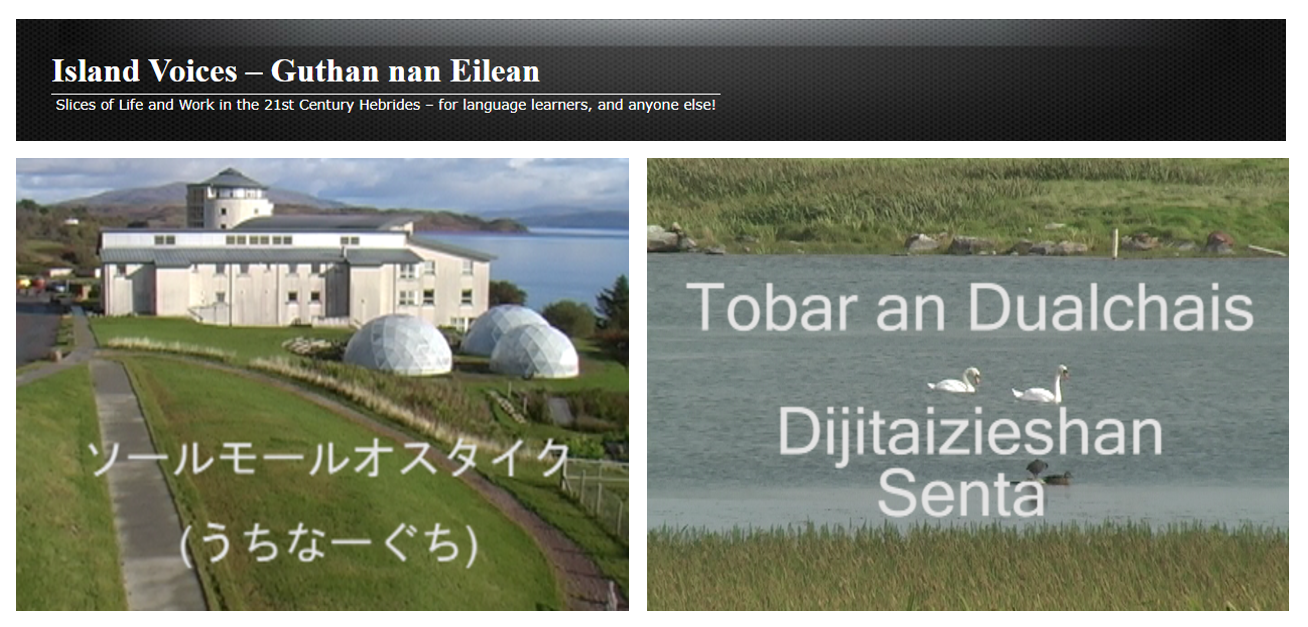
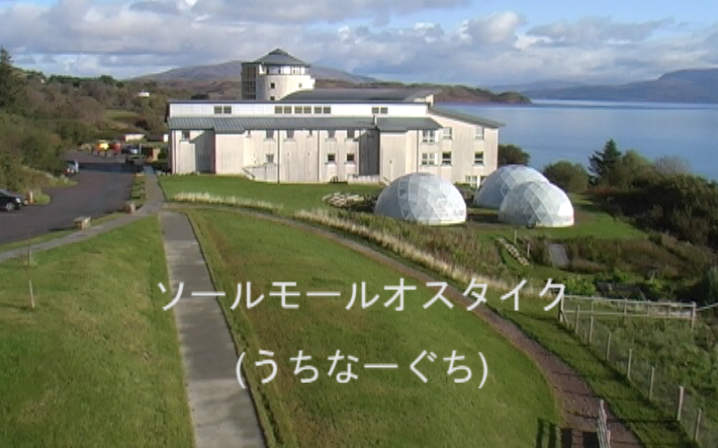
ソールモールオスタイク んでぃいーる スコットランド ぬ ゲーリック 大学に ちーてぃ うちなーぐち っし  うんぬきやびら。

(“Nach bruidhinn sinn mu dheidhinn Sabhal Mòr Ostaig, Colaiste Ghàidhlig na h-Alba, ann an Uidsianàguidsidh – cànan Okinawa.”)

At Guthan nan Eilean we centre our Gaelic attention on the Hebridean islands where the language is still most widely spoken, while reaching out to a worldwide community of interest. We believe this provides a firmly grounded platform, rooted in day-to-day vernacular practice, on which to build links and relationships with other linguistic communities who may be facing similar challenges, transcending nationally drawn boundaries of frequently debatable relevance or disputed authority for those who actually speak the languages in question.

So we’re delighted now to add Okinawan – another island language at apparent risk of societal desuetude – to our list of Other Tongues in which our films have been re-purposed. Here, Tomoko Arakaki of the Okinawa Christian University has provided a fresh voiceover for our short documentary film about Sabhal Mòr Ostaig. This was first made in Gaelic and English for Series 2 Generations, with a Breton version following more recently. It’s a source of pleasure and encouragement to us to make this concrete and practical new link across seas and continents, with a view to sharing news and ideas in a manner as suggested, for example, in the “Two Lands Many Languages” film which was shot mainly in Meghalaya during the International Year of Indigenous Languages.

Hebridean communities have functioned bilingually for generations, with the balance only tipping drastically in a majoritised monocultural direction within the living memory of current residents – an experience commonly shared in similar contexts across the world. If Island Voices has anything to offer in terms of redressing that imbalance, we’re more than happy to share lessons from our Gaelic work with others.

Producing an accompanying Clilstore transcript – at https://clilstore.eu/cs/9722 – presented various challenges, not least the lack of an appropriate online dictionary for Okinawan. Fortunately, Caoimhín Ó Donnaíle at SMO has already been putting his mind to this issue in relation to the “Mediating Multilingualism” project led by the UHI Language Sciences Institute. We can look forward to extending his “Custom Wordlist” approach beyond Okinawan to Indian and Jamaican languages in the near future. Watch this space!

Stòras Beò: Alasdair a-rithist

AlasdairandKirsty

Alasdair Macdonald talks to his daughter Kirsty. This follows on from the previous conversation Archie Campbell had with Alasdair for Stòras Beò nan Gàidheal.

This time Kirsty took charge of the kit and made the recording herself, capturing a fascinating father-daughter exchange in which more stories were re-told, many of them obviously old family favourites.

In this part, Alasdair recounts a number of tales recalled from his own childhood. Topics covered include hunting for rabbits, a near-drowning before the Baleshare causeway was built, youthful gun-handling, the making of seal oil, the use of horses for ploughing or to haul carts, and illicit fishing attempts with dynamite. These are followed by the recital of more traditional stories such as Cù Dubh Mhic a’ Phì (Àiridh na h-Aon Oidhche) and Isean Mhic Mhuirich.

A wordlinked transcript with embedded video is available on Clilstore via this link: https://multidict.net/cs/9723

In this part, Alasdair relates a story of fairy abduction to begin with, before hitting his stride with a series of anecdotes concerning local “characters” or family antecedents, including Iain Beag, Teàrlach Ruadh, Aonghas Ailean mhic Aonghaidh, and Ailean Heisgeir himself. From there the conversation moves onto deer-hunting escapades around Eaval (and how court appearances would not necessarily result in a poaching conviction), followed by discussion of grazing issues for both cattle and sheep. He finishes by describing traditional methods commonly used to make butter and cheese.

A wordlinked transcript with embedded video is available on Clilstore via this link: https://multidict.net/cs/9724

Stòras Beò: Pàdruig Moireasdan

PàdruigandGordonPàdruig Morrison, PhD scholar, crofter, musician, and community activist from Grimsay, talks to Gordon Wells for the Stòras Beò nan Gàidheal project.

We’ve added a Gaelic subtitle option on YouTube for those that wish it, which can be machine translated into multiple other languages through “Settings”. Wordlinked transcripts are also available on Clilstore.

In the first part, he recalls his family history, including his grandfather’s celebrated recordings and their importance for the preservation and transmission of Gaelic culture, and his father’s love of singing and the continuation of tradition. His own Gaelic was nurtured in the extended family and community, with the strong support of his English-speaking mother. An early interest in music was well supported through Uist schooling initially, and then intensively in Edinburgh, where he found additional impetus for his Gaelic through church and university circles. Following his father’s death, he maintained close contact with his Grimsay home, to which he always intended to return.

A wordlinked transcript alongside the embedded video is available here: https://multidict.net/cs/9686

In the second part, Pàdruig makes some comparisons between Irish and Scottish traditional music scenes, drawing on his experience of postgraduate study in Maynooth, where he noted a common preference in rural more “Gàidhealach” areas for a steady swing in contrast with urban centres like Dublin or Glasgow. Now back home in Grimsay he is busy with his croft, in addition to pursuing a PhD. The maintenance of traditional crofting skills is important to him in times of heightened environmental awareness. He is also involved in debates around access to crofts and housing for young people, especially following Covid lockdowns. He is optimistic about developing the common interest of vernacular Gaels and learners in sustaining island communities.

A wordlinked transcript alongside the embedded video is available here: https://multidict.net/cs/9687

Attentive listeners will have noticed occasional references to earlier films made in the Island Voices series, including some featuring a much younger Pàdruig, as well as his father! You can check back on these in the archives, particularly in the Series 2 Generations section.

Stòras Beò: Curstaidh NicDhòmhnaill

KirstyGordonJPegIndependent Gaelic consultant Kirsty Macdonald, from Claddach Illeray in North Uist, talks to Gordon Wells.

Patronymics (and a DNA test) reveal a long Gaelic-speaking lineage on her father’s side, while her mother first moved to Uist to learn the language, then marrying and settling down. From a family of teachers, Kirsty had a difficult relationship with education in her school years, but found her passion for Gaelic ignited when she left Uist to study, first at Sabhal Mòr Ostaig, and then Edinburgh University.

Talking to Gordon, she also fleshes out some of her memories and thoughts recently published in her very popular article on “Getting closer to home from a journey away” in the West Highland Free Press, highlighting the treasures of Tobar an Dualchais, and the importance in her eyes of discussing and addressing the concerns of Gaelic speakers in the vernacular community – a topic of current debate.

YouTube “closed caption” videos are enabled here, so viewers have the choice of reading the Gaelic subtitles while they watch and listen. You can also, if you wish, get automatic machine translations of these into English and many other languages through the Settings menu.

A wordlinked transcript with embedded video is available on Clilstore via this link: https://multidict.net/cs/9629

This is part of the Stòras Beò nan Gàidheal project in which the UHI Language Sciences Institute with Sabhal Mòr Ostaig and Soillse, together with Irish partners, record the natural speech of Irish and Scottish Gaelic speakers in their own communities with user-friendly equipment and techniques. Alasdair MacDonald, Kirsty’s dad, is already on the Stòras Beò site, but Kirsty’s final words indicate there’s yet more to come from that quarter… Watch this space!