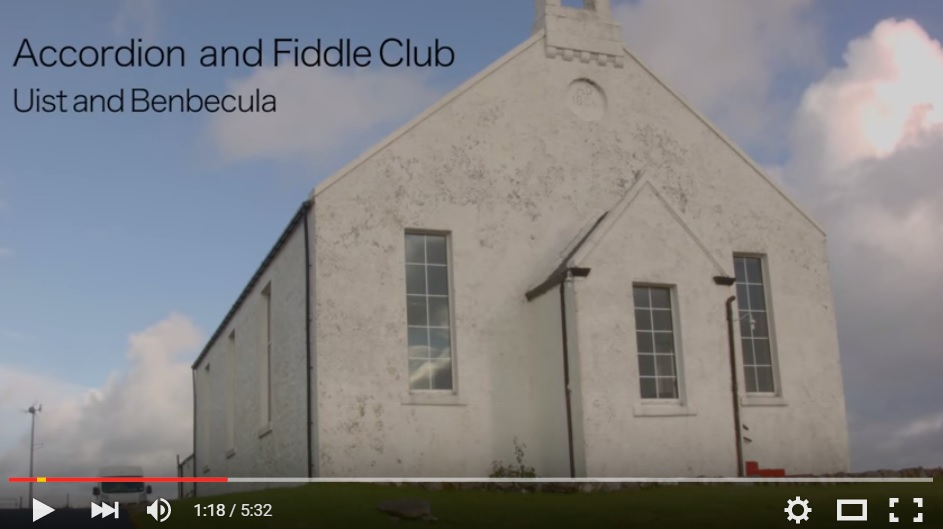
There is musical excitement in the Dark Island tonight (11th September) as the book and CD put together by the Uist and Benbecula Accordion and Fiddle Club is officially launched. Proceedings at the Hotel start at 7pm.
Island Voices are delighted to share this excellent locally produced bilingual promotional video. Abair ceòl! Abair tàlant!
“I’ve done the Malta marathon ten times… And I’ve done London seventeen times… And I’ve done Glasgow thirty times. I’ve only missed it once, because last year I had a broken leg.”
For a man who didn’t start running until he was pushing fifty we can perhaps forgive that last unfortunate omission!
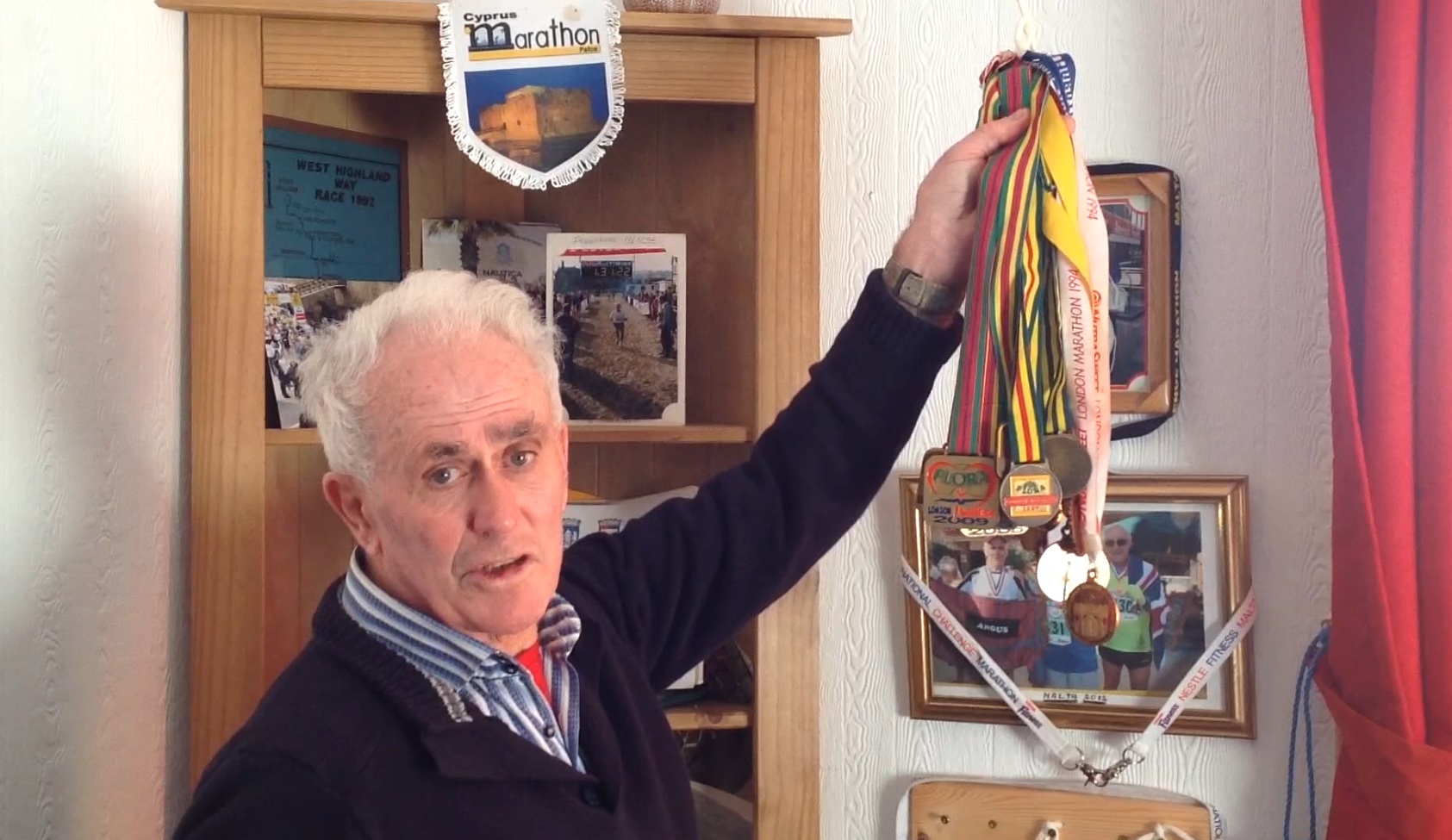
Grimsay resident Angus Nicholson, cousin to Ewen MacAskill, talks to Mary Morrison about his remarkable long distance running career, and shows us some of his many medals and trophies garnered over the last thirty years. Abair sgeulachd!
Thanks are also due to Chris Davies, who did a fine job of editing Mary’s clips together.
It’s always nice to see Island Voices materials being picked up, added to, and used again by other groups or individuals.
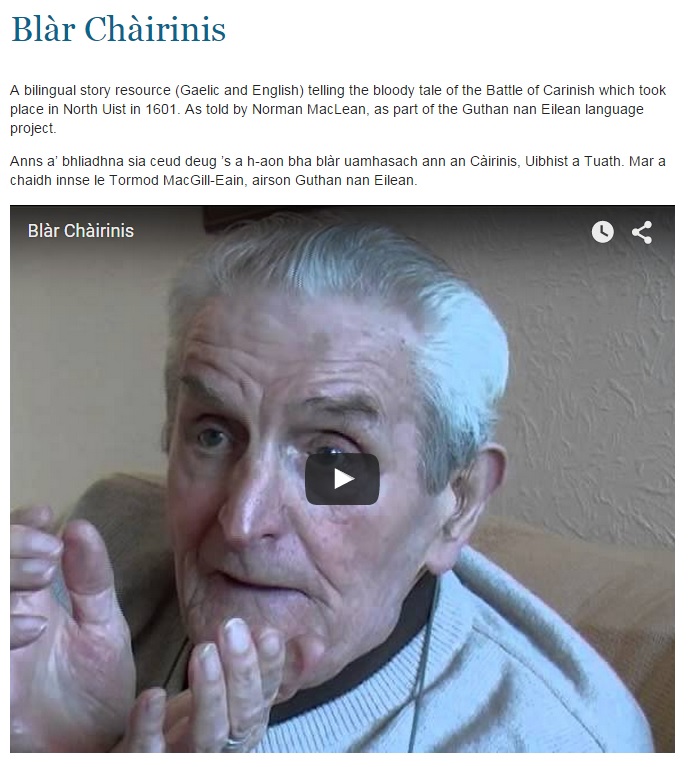
The team at Traditional Arts and Culture Scotland (TRACS) have done a fine job in transcribing Norman Maclean’s inimitable telling of the story of the Battle of Carinish, and re-presenting it for a new audience, with a bilingual downloadable PDF available here.
Suitably inspired, we’ve created a new Clilstore unit with the same story, so that Gaelic learners can check unfamiliar words in online dictionaries as they listen and read at the same time.
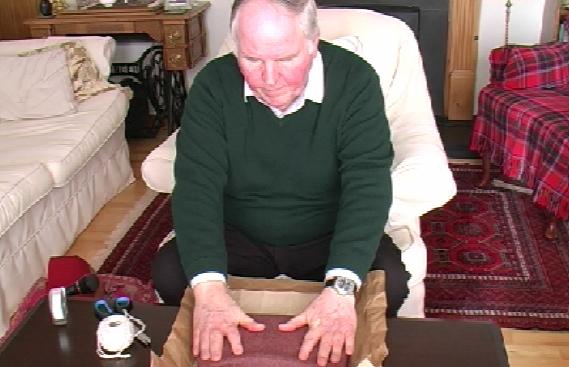
When Catherine Eunson taught music in Balivanich School, she noticed the speed and facility with which the then headmaster, Alasdair MacGillivray (now retired), would wrap parcels, for example when the annual nativity play came round. It reminded her of the same skills that her own shopkeeper grandfather had.
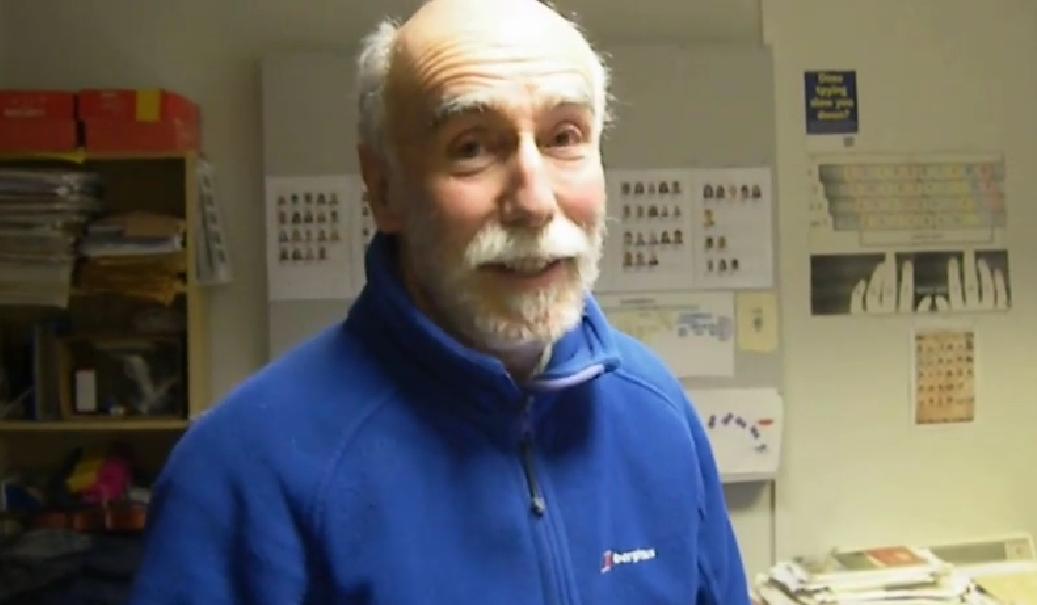
Recently, she went round to Alasdair’s house to find out how it started, and discovered the secret lies in his family background. Listen here to find out how and when he learned, and to witness a demonstration. Alasdair still puts his skills to good use, as his grandchildren will happily testify!
Chaidh a’ cho-labhairt aig Soillse ann an Sabhal Mòr Ostaig a chur air dòigh leis an Sgioba Rannsachaidh fo stiùir Tim Armstrong. Tha tòrr dhaoine òga sa bhuidheann seo, agus tha iad gu math beothail agus gu math comasach.
Tha iad air a bhith stèidhte ann an Oilthigh Ghlaschu, Oilthigh Dhùn Èideann, Oilthigh Obar Dheathainn, agus Oilthigh na Gàidhealtachd agus nan Eilean, ach uile ag obair còmhla airson rannsachadh air staid na Gàidhlig a thoirt air adhart.
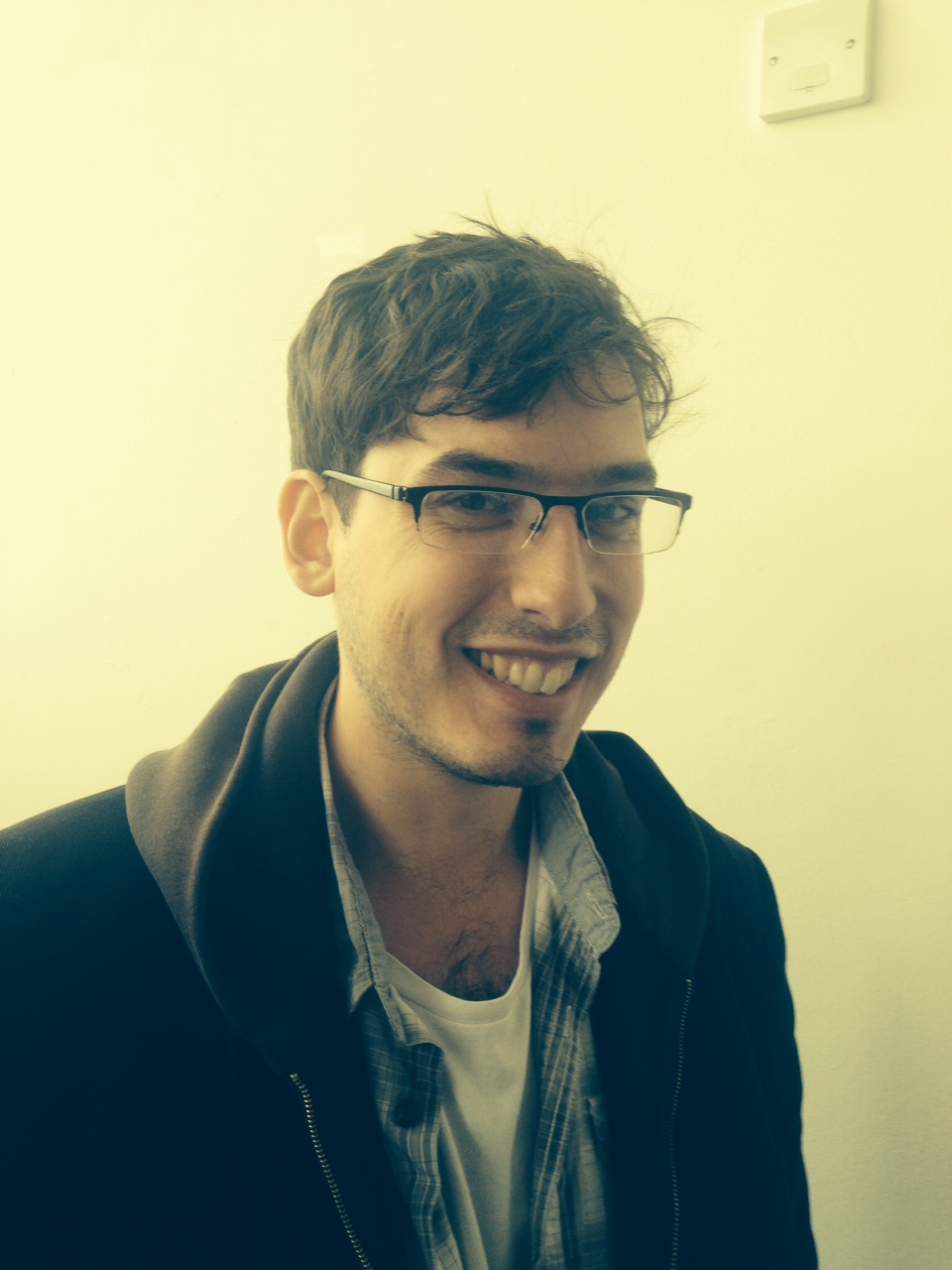
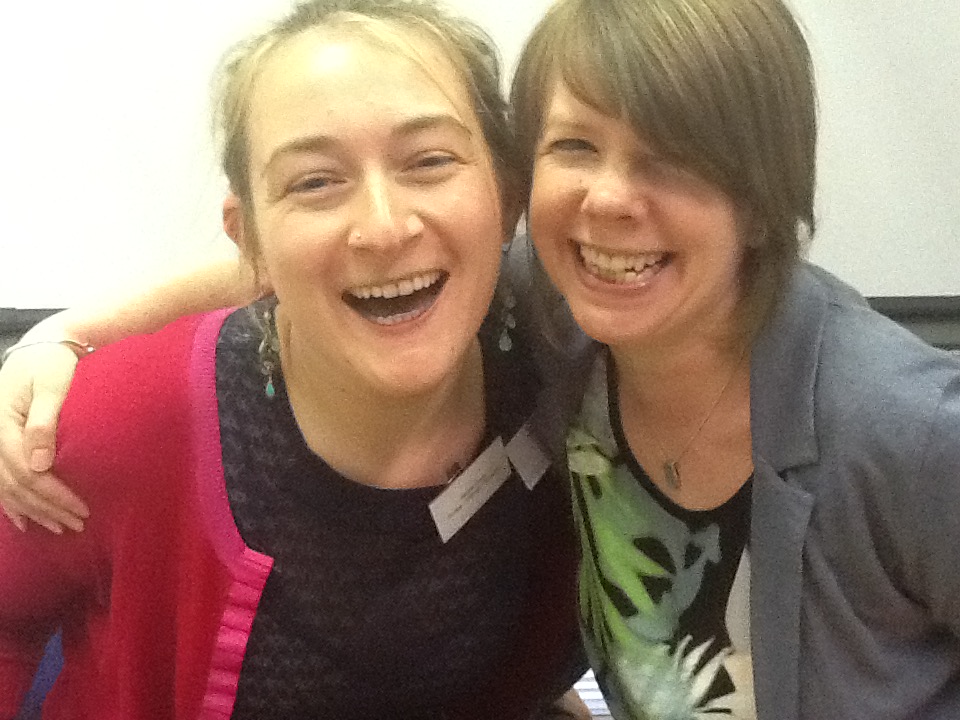
Seo ball eile – Stuart Dunmore – a’ bruidhinn mu dheidhinn na seiseanan san robh e fhèin an sàs air a’ chiad latha.
Tha a’ cho-labhairt air tòiseachadh aig Sabhal Mòr Ostaig air an Eilean Sgitheanach. ‘S e cuspair na co-labhairt “Foghlam dà-chànanach agus ath-bheothachadh cànain – bho Theòiridh gu Gnìomh”.
Seo agaibh guthan òga ùra ag innse dhuinn mu dheidhinn bùth-obrach a chuir iad air dòigh air a’ chiad latha. Bha deagh dheasbad ann, agus bha cothrom aig a h-uile duine a bha ann na beachdan agus na ceistean aca fhèin a thogail.
Seo agaibh fiosrachadh air co-labhairt aig Sabhal Mòr Ostaig air a cur air dòigh le Soillse, agus cuireadh airson a dhol ann… ‘S cinnteach gum bi na cuspairean inntinneach. Deagh dheasbad ann an àite brèagha!
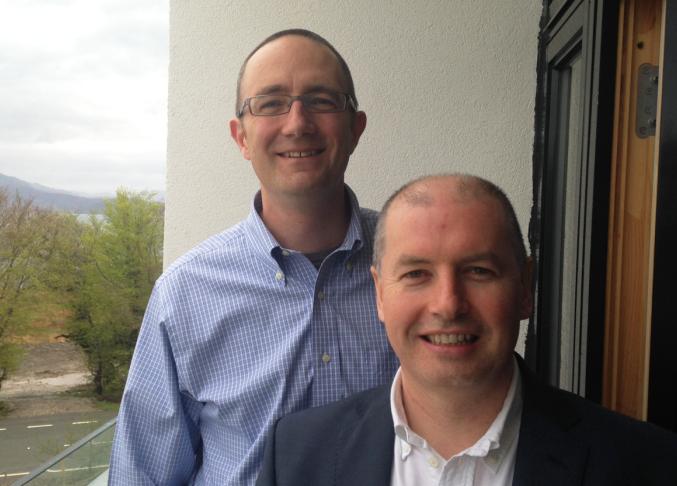
Professor Conchúr Ó Giollagáin and Dr Timothy Currie Armstrong deliver a bilingual introduction to the May 2015 conference on Bilingual Education and Language Revitalisation at Sabhal Mòr Ostaig on the Isle of Skye, and an invitation to attend!
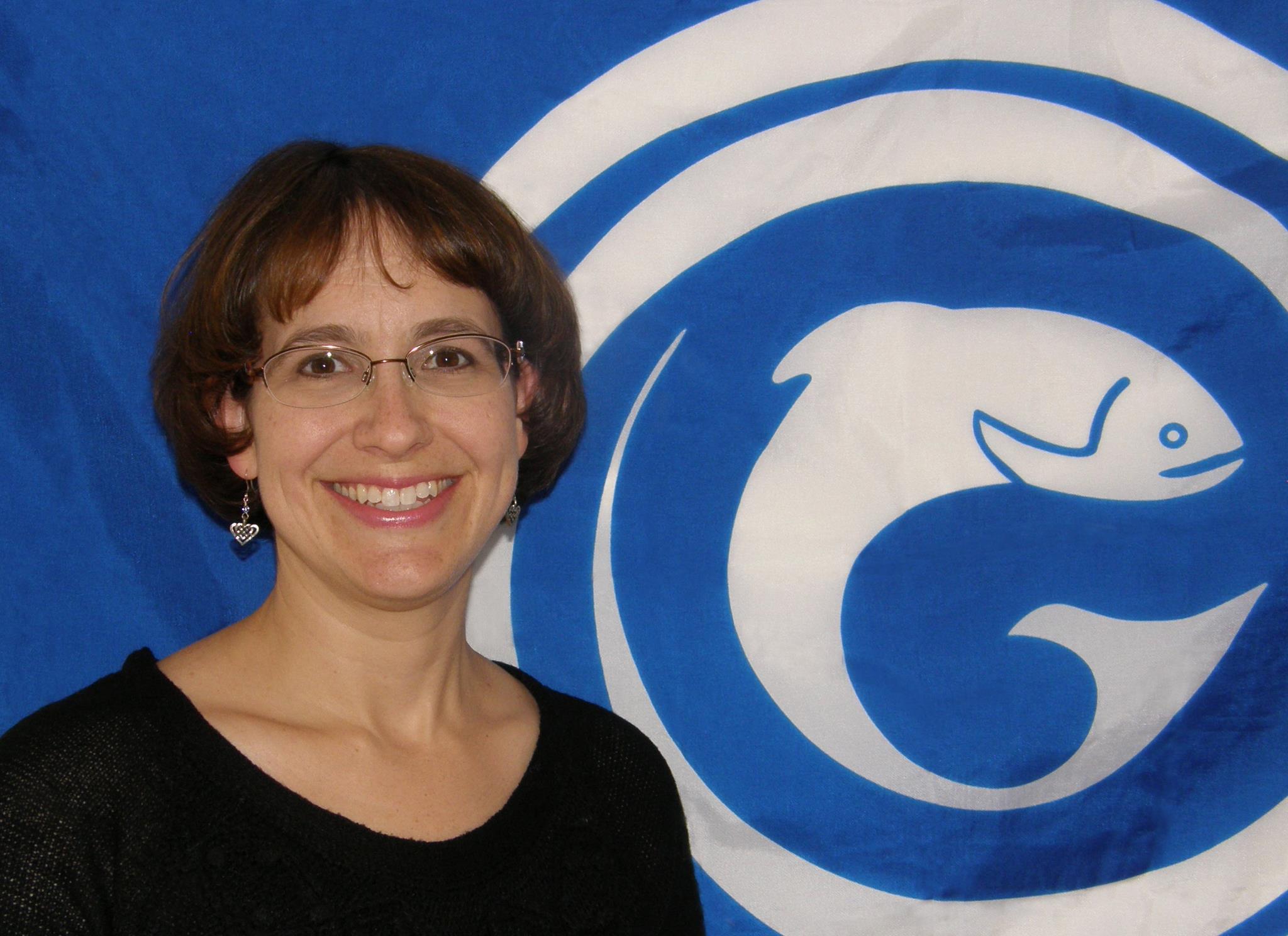
Dr Emily McEwan-Fujita conducted a large part of her PhD fieldwork in Uist in 1999/2000, and went on to complete her doctorate in Anthropology with the University of Chicago.
Since then she has published numerous articles on the subject of Gaelic and its revitalisation both in Scotland and Nova Scotia, where she now lives. Most recently she has become an active blogger. She wrote an interesting piece last month on Gaelic revitalisation and rocket science.
Here Emily talks (in Gaelic) about some of her observations on learning Gaelic in Uist, and how she came to write her piece:
Good to hear a new voice on Guthan nan Eilean!
And, with her kind permission, here’s the piece itself, “re-blogged”:
Saving Gaelic – Is It Rocket Science?
A few years ago, someone criticized my work, saying that Gaelic language revitalization wasn’t rocket science. I didn’t know whether to laugh or cry, because she was right. Language revitalization isn’t rocket science — it’s far more difficult.
Rocket science, or any type of engineering, formulates and solves problems. Get the math right, solve the problem. On to the next problem. Something breaks or goes wrong? Find the math or programming mistake and fix it. Human error is a factor, but the math is reliable.
Language revitalization, on the other hand, is not so simple.
A formal definition of language revitalization is: “the attempt to add new linguistic forms or social functions to a language which is threatened with language loss or death, with the aim of increasing its uses and users” (Kendall King 2001, p. 4). Basically, it’s the effort to save a language that is gradually going out of daily use.
Why is it so difficult to save a language? Because it involves a deliberate effort to change people’s opinions, ideas, feelings, and behaviors… Read more…
A video-training opportunity for young people is coming up soon at Cothrom. It’s part of the Enterprise on the Edge scheme. Click on the poster for details.
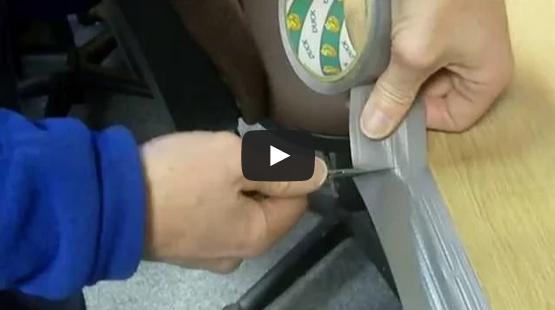
Clilstore creator Caoimhìn Ò Donnaìle takes learner autonomy and the spirit of DIY self-reliance to a new level with this demonstration of how to make your own draft excluder with maximum efficiency and minimum cost.
The invention itself is a model of effective simplicity, created in real time before your eyes. All you need is a roll of tape. And the same can be said of the Clilstore demonstration itself! All you need is a camera…
 There is musical excitement in the Dark Island tonight (11th September) as the book and CD put together by the Uist and Benbecula Accordion and Fiddle Club is officially launched. Proceedings at the Hotel start at 7pm.