Kopanie torfu: Peatcutting in Polish

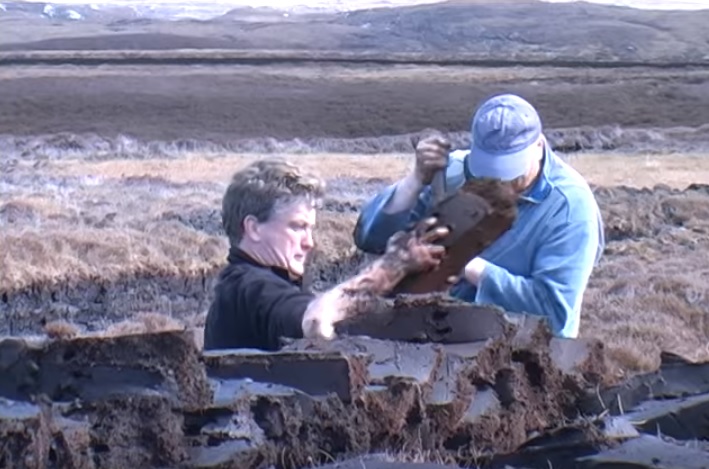
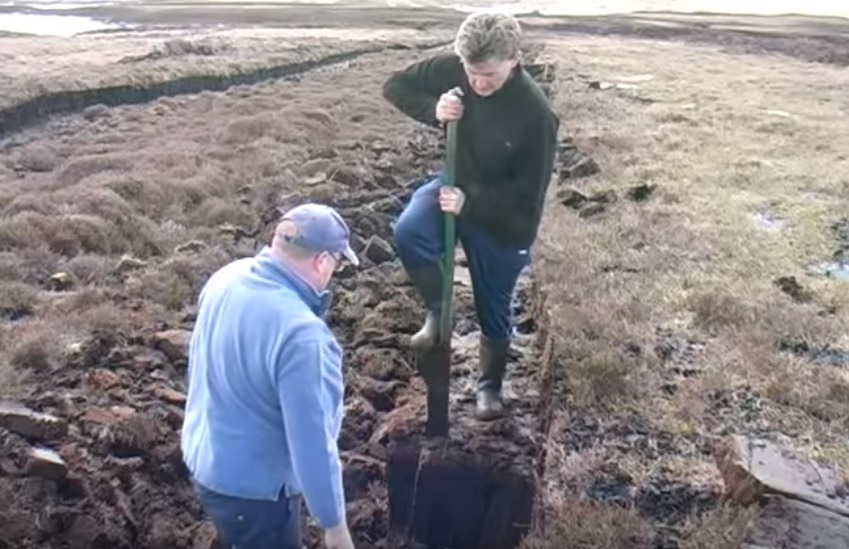
polishpeatKrótki film dokumentalny w języku polskim dla uczących się języka o kopaniu torfu w Uist.

Film aithriseach goirid ann am Pòlainnis airson luchd-ionnsachaidh mu dheidhinn buain na monadh ann an Uibhist.

Short Polish documentary for language learners about peatcutting in Uist.

While you watch and listen you can read a transcript with online dictionary access to every single word on this Clilstore unithttp://multidict.net/cs/4130

Between Series 1, Series 2, and other initiatives, Island Voices has produced 25 short documentary clips of this kind in both English and Gaelic. “A Gaelic Journey” also came out in Irish, but this is the first time we’ve produced a Polish version of one of our films.

It may not be the last, however! All we need is a translation of the script and a recorded voice. And, if we can do it in Polish, we can do it in other languages too. Interested?

Gordon Cameron: Soillse Fieldworker

GordonCameronTha Gordon Wells a’ bruidhinn ri Gòrdan eile an seo – Gòrdan Camshron, a tha na neach-rannsachaidh aig Soillse agus a tha ag obair airson Pròiseact Rannsachaidh Gàidhlig nan Eilean.

An toiseach tha iad a’ bruidhinn sa Bheurla le Gòrdan Camshron a’ mìneachadh na tha san amharc aig a’ phròiseact san fharsaingeachd. As dèidh sin tha e a’ bruidhinn sa Ghàidhlig mu na tha e air a bhith ris ann an Èirisgeigh.

Gordon Cameron talks to Gordon Wells here about Soillse‘s Islands Gaelic Research Project.

He first explains in English what the plan is for the whole project, and then goes on in Gaelic to talk about the work he’s been doing in Eriskay.

Google Gaelic

archanddonMany have welcomed the recent addition of Scottish Gaelic to the number of languages served by Google’s automatic “Translate” tool. Many have also expressed concern at the way it may be misused, particularly when it comes to translating cheaply – and frequently badly – from English to Gaelic. As an experiment at Island Voices, we’ve taken one of our popular Gaelic videos in Series Two Outdoors and run the transcript from Clilstore through the Gaelic to English facility on Google. Here’s the result.

“I Archie Campbell. Here in Benbecula myself and my neighbor Donald Innes spent a day early summer on the heath the peat. We start with skinning with spades. This leaves mud peat is ready for harvesting. I cut off a piece with the first spade. Then I begin with the treisgeir.

It is the work of Donald being below the dumping of peats. They lie on the ground for a while to dry. As we move forward towards the marks left on the roof by the treisgeir. After a while we become accustomed to the work, and we will cut and build faster and faster.

After working hard all the morning comes the time to relax, with food and drink. It is a good time is also news. Not just hard work only in the peat. You can also talk to.

The evening to try Donald cut, and I myself will throw the peats. When we come to the end of the mud we were skinning in the morning is not the end of the work at all. That is just the first stage ready. Now we need the second piece removed. The triopsa, rather than stretching them on the ground I will make them garden. The holes in the garden which allows the wind to blow through the turf drying.

At the end of the first day I Donald how small or rùghain stacks with the peats lays on the ground – again to dry. I come back after two weeks for more work like this. With the first day we finished the building back to the house.

After two weeks on the peats slightly dry, and I have come back for more rùghain made. The peats much water is lost now, and they are easier to handle. At this stage no need for the peats in the garden moved, but even with that much work to do in building rùghain with the peats were lying on the ground. The next step will be bringing them home. Need for tractor.

Between all anything, it is a time of year for fuel to take home. But on a cold winter later in the year I think it was a good time to earn it.”

If you struggle with Gaelic, you can judge for yourself how much or how little that helps with understanding the piece. You can even compare it with our own English version of the same video clip.

Clilstore aims to help you with individual words you might not know. It’s up to you to figure out how they fit into the piece as a whole. Clearly, Google Translate does a less than perfect job of fitting all the words together, but you may feel that it helps a bit. If that’s the case, all you need to do with any of the Clilstore transcripts on this site is simply copy and paste them into Google Translate, and see where it takes you. Good luck!
DIY Music Video

musiccourseHowmore resident Julie Lewis attended a video-making workshop at Cothrom last year, and learnt some handy new skills.

Some years previously, and shortly after it was launched, Julie was also a student on the local college music course in Benbecula – a subject area which has since gone from strength to strength, developing into a University of the Highlands and Islands degree course in Applied Music.

Here’s the video that Julie made about the course. Great work all round!


A’ Bhean-Uasal NicÌomhair à Cnoc an t-Soluis air a’ Bhac

DalaiLamaNormanIn this truly epic tale, a noble Lewis lady, also known locally (though outwith her earshot) as Bean Dhòmhnaill Ailig ‘Fat’, undertakes a long journey to Tibet, for a special meeting with a special person.

Norman Maclean narrates the gripping Gaelic adventure right through to its scarcely predictable conclusion.

This is the final instalment in his Sgeulachdan Thormoid collection.

The Island Voices/Guthan nan Eilean project is much indebted to Norman for these fantastic contributions. Clilstore versions for learners with clickable transcripts of several of these stories will be coming soon!

Update: All recordings in both the “Saoghal Thormoid” and “Sgeulachdan Thormoid” collections are now available on the “Norman Maclean” page.

Bodach nan Serviettes

ServiettesNormanNorman Maclean turns his attention to the Isle of Harris for the next instalment of Sgeulachdan Thormoid.

A grand dinner is held in Tarbert for the pensioners of Harris, with libations gu leòr.

The mouthwatering menu is described in loving gastronomic detail.

But one unfortunate omission leads to a possibly disagreeable outcome.

Norman reels off another hilarious story from his Gaelic collection…

Update: All recordings in both the “Saoghal Thormoid” and “Sgeulachdan Thormoid” collections are now available on the “Norman Maclean” page.

Dòmhnall Phàdraig agus Màiri Claire

TormodDomhnallPhadruig“Mary Claire! Mary Claire! Can you hear me?”

“Yes, I can… And so can everyone from Carinish to Ludag. What’s wrong?”

This couple have been 40 years married “as happy as two shoes”…

And Màiri Claire knows exactly how to deal with Dòmhnall Phàdraig’s crisis of confidence!

Norman Maclean entertains again, as only he knows how.

The fourth instalment of Sgeulachdan Thormoid.

Update: All recordings in both the “Saoghal Thormoid” and “Sgeulachdan Thormoid” collections are now available on the “Norman Maclean” page.

Hàllain

TormodHallainPolitics, Verbosity (or its opposite), Love, and Death!

Here are all the dramatic ingredients you could need in this romantic story of the tongue-tied Fionnlagh Phàdruig a’ Chnuic and his sweetheart Peigi Iain Bhig.

And what could be a more appropriate setting than the famous and historic Cladh Hàllain in South Uist?

This is the third instalment of Norman’s collection – “Sgeulachdan Thormoid”.

And here it is on Clilstore (including a link to Google Translate if you don’t yet have Gaelic, but would like to get the gist…)

Update: All recordings in both the “Saoghal Thormoid” and “Sgeulachdan Thormoid” collections are now available on the “Norman Maclean” page.

Cabhag

TormodCabhag2We hear the story of Cabhag’s doggy heroics in an unsettling encounter on a misty mountainside in this second instalment of “Sgeulachdan Thormoid”.

If you’re out on the moor and the weather closes in, your canine companion may have other uses than just herding sheep – especially if you cross paths with an old woman with a strange finger formation…

If you enjoyed Norman’s rendition of “Àiridh na h-aon oidhche”, this Gaelic story should be right up your street. But if you’re of a nervous disposition, be assured there’s a happy ending!

Update: All recordings in both the “Saoghal Thormoid” and “Sgeulachdan Thormoid” collections are now available on the “Norman Maclean” page.

Sgeulachdan Thormoid: Mìorbhailtean ann am Barraigh

Fans of Norman Maclean are in for a treat! Norman recently invited Gordon Wells over to his house to hear and record a selection of Gaelic stories, related in his trademark style. What a privilege!

In his words of introduction, Norman explains his reasons for wanting to make the recordings, and expresses the hope they may be of use to learners.

The Guthan nan Eilean/Island Voices project is only too pleased to help by placing them online. They will make a fantastic addition to the ever-growing collection of locally sourced recordings that capture Gaelic as it is spoken.

Here’s Norman’s introduction.

And here’s his story of “Miracles in Barra” – a taste of things to come…

Watch this space!

Update: All recordings in both the “Saoghal Thormoid” and “Sgeulachdan Thormoid” collections are now available on the “Norman Maclean” page.