Stòras Beò: Seònaid

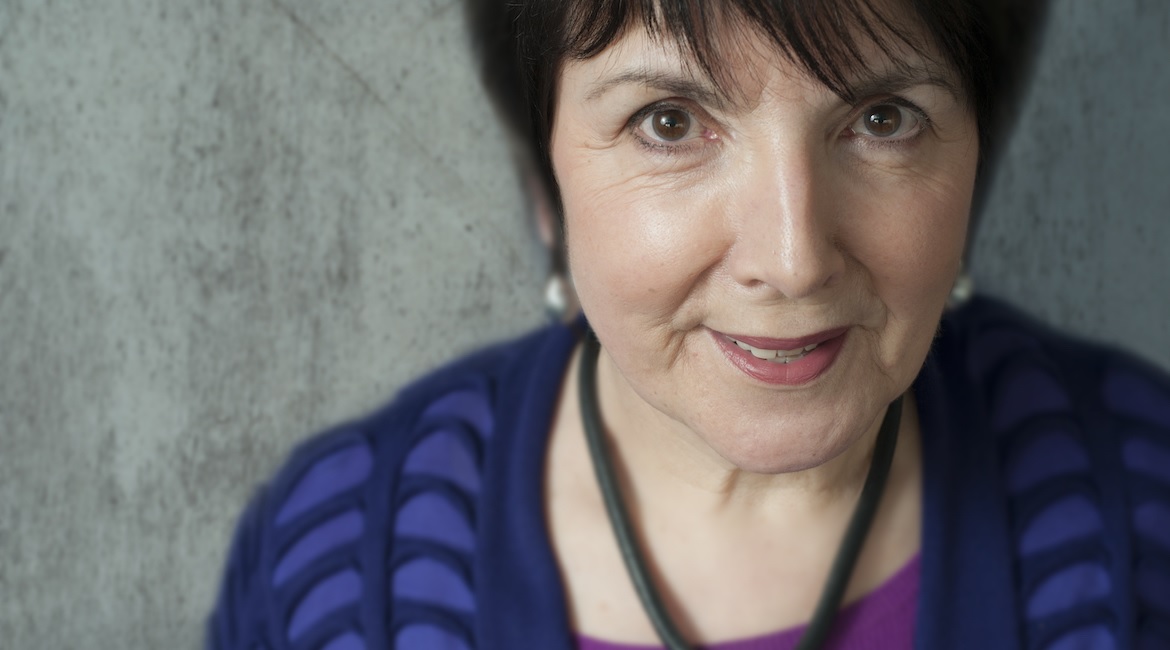
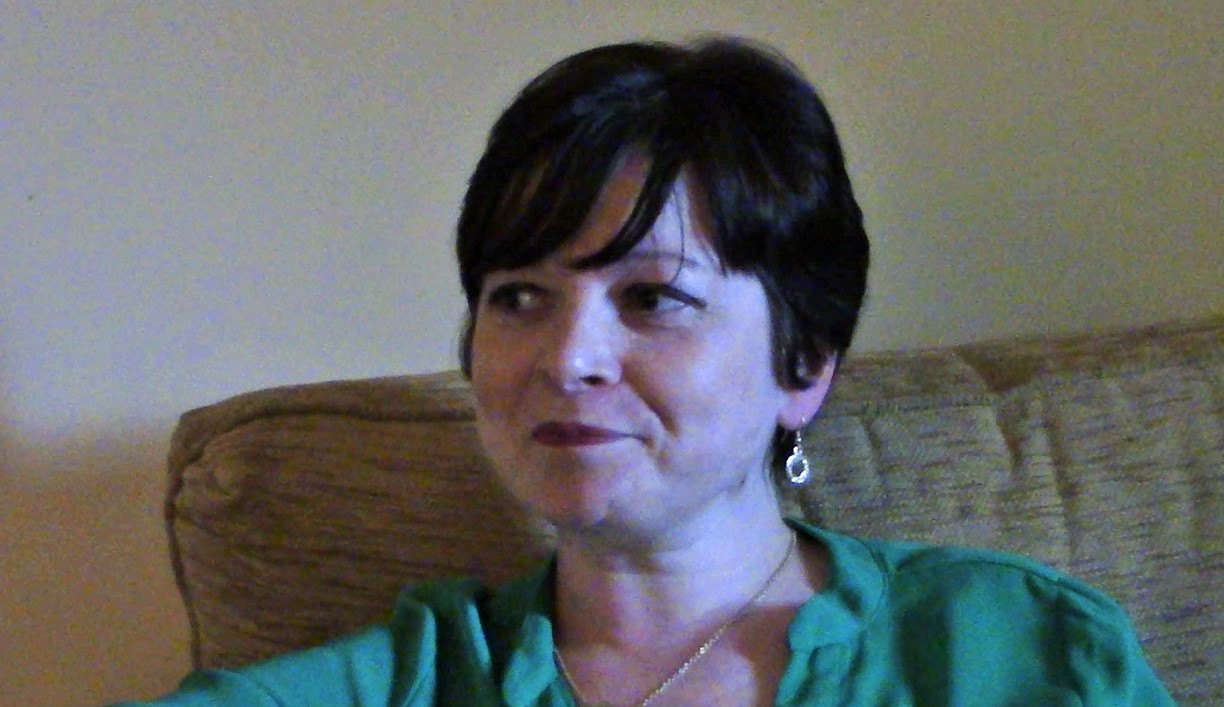
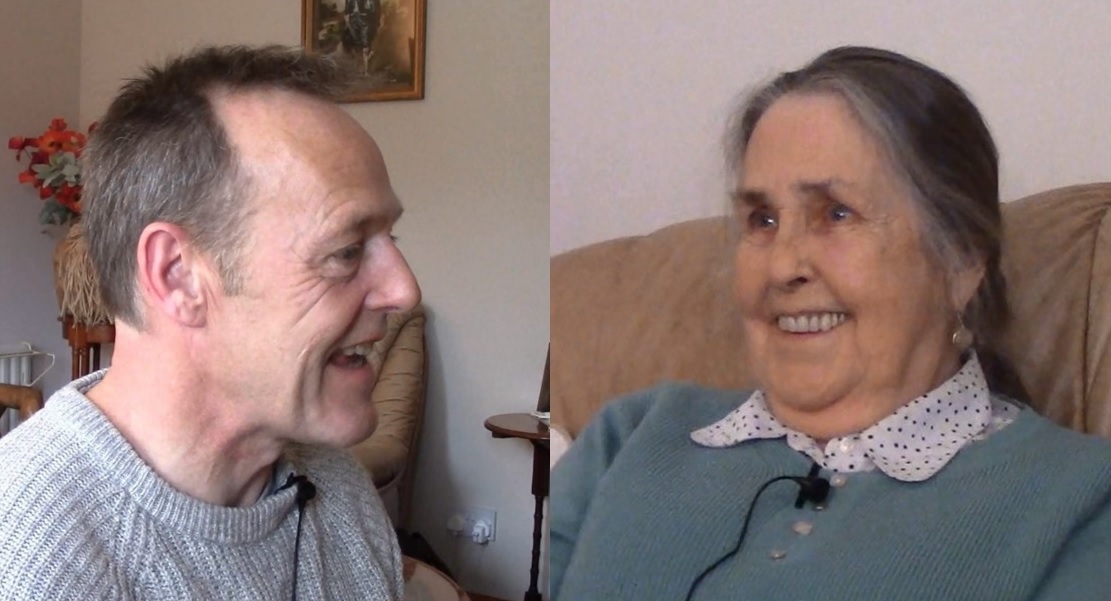
In amongst the valuable Gaelic social history, Stòras Beò nan Gàidheal interviewer Pàdruig Moireach (Peter Murray) uncovered some interesting new family stories when he talked to his mother, Seònaid (Jessie) – including why she didn’t emigrate to Canada!

In the first part, Jessie, originally from Shawbost, Lewis, talks to Peter about their family history, and how his grandparents actually met and married around the time of the Depression in Detroit, where there was a strong Gaelic community. She tells stories of him jumping ship, and his working conditions and how they differed in America. On returning to Lewis they raised a family on the croft, and Jessie talks of her earliest memories of life on the land, herding the cows and getting home-made butter and cheese, and the food she got at school before they opened a canteen. (You can get a Clilstore transcript here: Unit 8388.)

In the second part, Jessie recalls her schooling and the weak Gaelic component to it, though the language was strong in the playground and the community. Communion practices are also recalled, as well as the role of supernatural tales, and New Year and Hallowe’en customs in a culture where house visits were common. After leaving school at 16 and some work experience, Jessie settled on training for nursing, which took her to Glasgow. Plans to move to Canada were abandoned when she met Peter’s father, and they returned to Lewis, first to Carloway, then Stornoway. Now living in Inverness, she offers thoughts on changes she’s seen in Lewis and the lack of opportunities. She prefers to remember home as it was. (You can get a Clilstore transcript here: Unit 8389.)
विंडसर्फिंग – Windsurfing (Hindi version)

Ding dong! “लंदन को जाने-वाली ब्रिटिश एयरवेज़ की उड़ान…. British Airways flight to London….”

For those with a keen ear for language, the international departures lounges of airports once provided rich listening, as announcements in multiple languages provided a constant reminder of linguistic diversity across the world. Then came COVID and the lockdowns. Almost overnight, international air travel came to a near-complete halt, and those multilingual moments have turned into ever more distant memories.

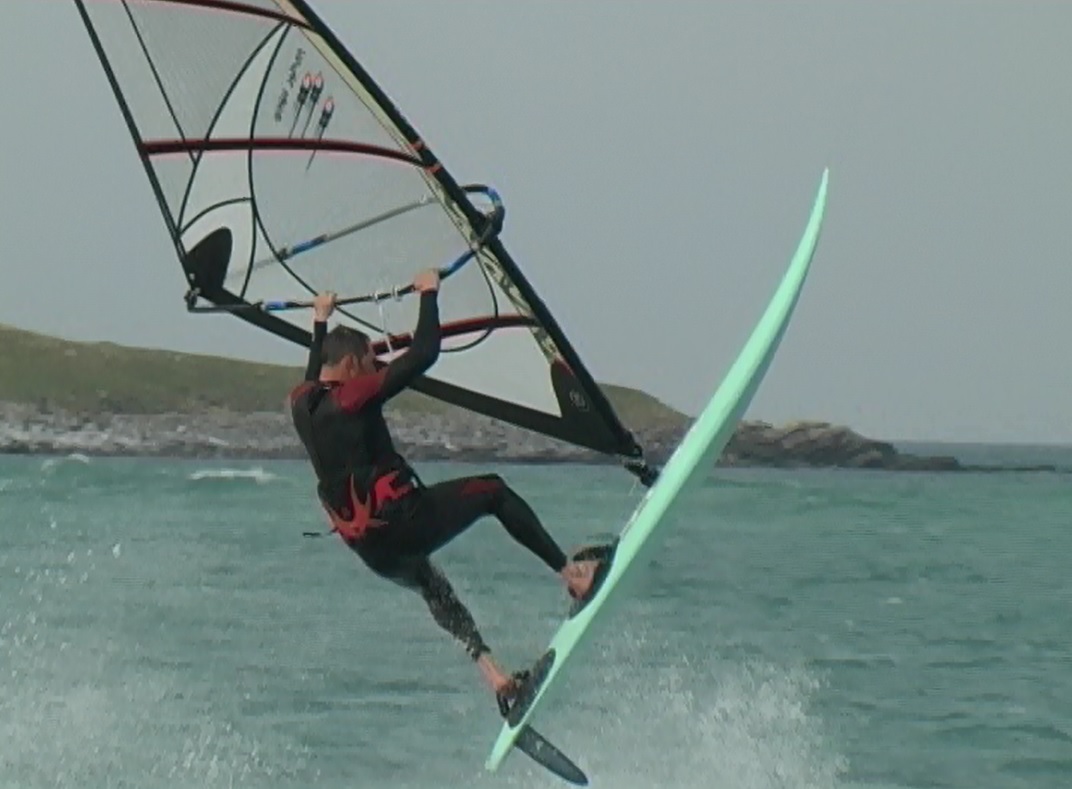
But our taste for linguistic adventure lives on, and physical lockdown has not disabled our capacity for creativity and innovation in responding to new communicative challenges, as our contributor Animesh Biswas has recently demonstrated, here and here. Nor is he alone! We now welcome a new addition to our Other Tongues collection with a Hindi version of our Windsurfing film by Rohini Tolsma.

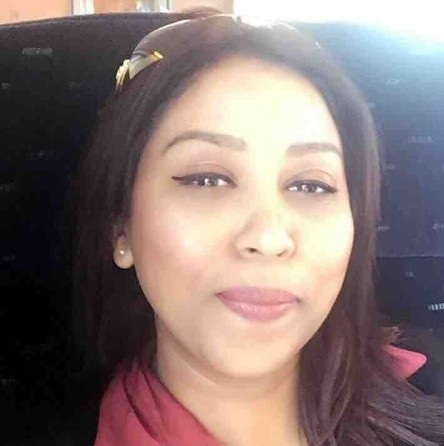
Gordon Wells met Rohini, who is based in the Netherlands, at the 2019 NEHU International Language Fest for Indigenous and Endangered Languages in Shillong. The Netherlands is currently relaxing some of its most stringent lockdown restrictions, but in this exercise Rohini followed the same simple modus operandi as previous recent contributors, recording her voice on her phone, and sending the results to Gordon by Facebook Messenger.

Anyone listening will be struck by the clarity of Rohini’s diction, and may find themselves wondering how her voice somehow feels familiar. Well, if you’ve passed through Heathrow Terminal 5 or any other similar airport lounge, the chances are you have heard her before, as Rohini’s day job is to record the public announcements in Hindi for airports across the world. Island Voices have a Hebridean locus, but a truly international reach!

Here’s the film:

And here’s the wordlinked Clilstore transcript: Unit 8610

সমুদ্রপথে সেইন্ট কিলডা – Seatrek to St Kilda (Bangla version)

এই তথ্যচিত্রের মাধ্যমে সেইন্ট কিলডার সংক্ষিপ্ত বিবরণ তুলে ধরা হয়েছে। ল্যোওসের একটি পর্যটন সংস্থার সঙ্গে এই অভিযানটি সম্পন্ন হয়েছে। ভ্রমণের তালিকায় রয়েছে মূলদ্বীপের প্রাকৃতিক ও সাংস্কৃতিক পর্যটন। আটলান্টিক মহাসাগরের বুক চিরে এই অভিযানে দীর্ঘ সমুদ্রযাত্রার ক্লান্তি তো নেইই বরং আছে মন ভালো করা সব অসাধারণ দৃশ্য। নির্জন সমুদ্রসৈকত, অজস্র পাখিদের কোলাহল, প্রকৃতির নিবিড় ছোঁওয়া ও প্রাচীন মানব সভ্যতার ঐতিহাসিক উপাদান সব মিলিয়ে এক রোমাঞ্চকর অভিজ্ঞতা।

Bangla (Bengali) is the latest addition to Island Voices’ Other Tongues initiative, thanks to independent researcher Animesh Biswas, who can now add “film narrator” to his list of other talents! The language has hundreds of millions of speakers, yet the question may well be asked if any of them have previously had any access to information about the St Kilda dual natural and cultural heritage site in free-to-view online documentary format in their own language?!

On a linguistic note, it’s worth listening out for the pronunciation of placenames in the film. Animesh generally opted to go for Gaelic rather than English models, a process greatly assisted by the regular phonetic nature of Indian writing systems. Nach math a rinn e!

A Clilstore version with full wordlinked transcript and embedded video is available here: Unit 8568.


Stòras Beò: Christine

Christine Primrose will need little or no introduction for the Gaelic enthusiasts who follow Island Voices. A stellar singer, she has long been a leading light in the promotion of Gaelic music and the tradition which nurtures it. If, by chance, you are coming to acquaintance with her for the first time, this interview in English (with further useful embedded links) for Folk Radio will give you an indication of her central position in the world of Gaelic music.

In the clips below, she talks freely in Gaelic to Pàdruig Moireach – who also has Carloway roots – for the Stòras Beò nan Gàidheal project. A feast for the ears for anyone with a taste for good Lewis Gaelic!

In the first part, Christine first recalls her early childhood in Carloway, Lewis – a close community in which every house had a loom. She started school very young, but always remembers singing – whether to neighbours in their homes, or at community concerts when still a young girl. She talks about the pressure of performance and how to look after your voice. Choral singing is also discussed. Her early career through school, college, and work in Glasgow was marked by singing, culminating with the prize for “seann nòs” (a term which she questions) at the Mòd. (You can get a Clilstore transcript here: Unit 8434.)

In the second part, Christine talks about touring Ireland and the novel experience of presenting her songs outside her community, emphasising the importance of feeling to maintain authenticity. She is disciplined in her approach, while also bringing her own interpretation to a song. Care for the rhythm of the words enhances the story. Moving to Sabhal Mòr Ostaig enabled her to maintain her singing career, while helping to promote the Gaelic college. She enjoys teaching, and listening to singers from other traditions. She stresses the importance of giving young performers time to learn their craft before pressurising them to perform. Return visits to Carloway underline for her the importance of acknowledging change. (You can get a Clilstore transcript here: Unit 8435.)


Locks, Links, and Languages

It’s April 2020 and the global lockdown continues, whether you’re on the West coast of Scotland or in West Bengal. We’re largely “confined to quarters” in the international bids to lessen the impact of the COVID-19 pandemic. The internet has many faults, but now offers the potential to afford mental release in times of physical restriction, at least to those fortunate to have access to it. Here’s an example.
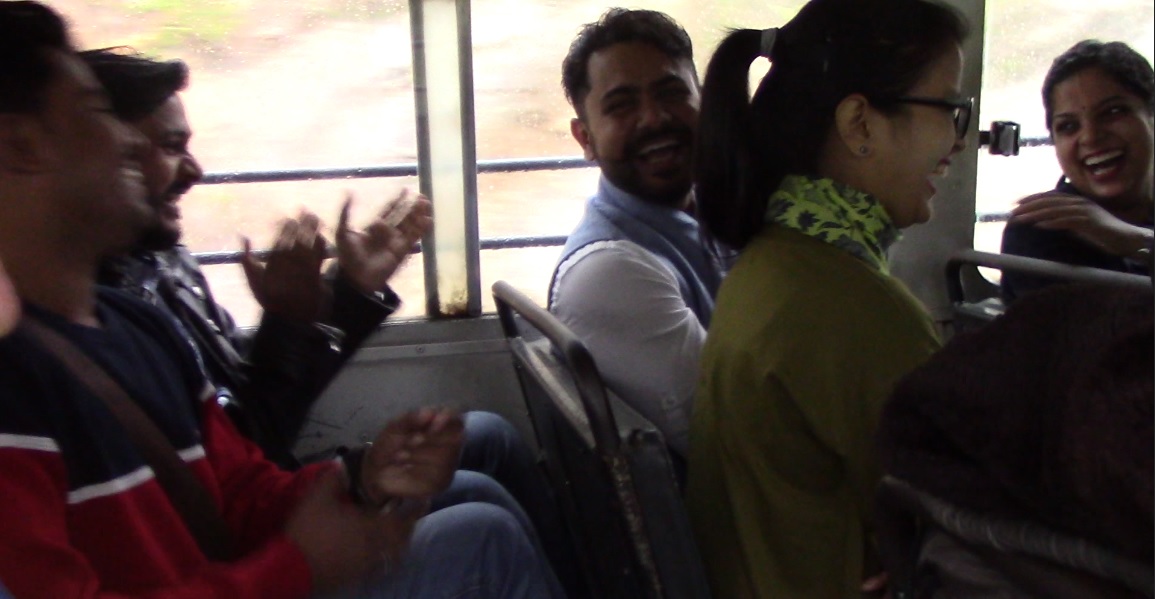
Animesh Biswas is from Nadia, West Bengal, India. Graduating from the Department of English at the University of Kalyani, he is an independent reasearcher working on Bangla folk songs. He has no training in music, but is learning from the folk singers he meets during his research work.

Attending the North-Eastern Hill University International Language Fest in October 2019, he made acquaintance with Gordon Wells (who was speaking about Island Voices, and its potential as a model for other language communities) and they’ve maintained contact through Facebook since. Having heard him sing in Shillong, Gordon was delighted just a few days ago to receive a recording from Animesh over Facebook Messenger, made in his home in Nadia. Followed by snaps from his camera, and some toing and froing over recording revisions, the ingredients were quickly all present for a new video and Clilstore unit, presenting a Bengali song in the Baul tradition with wordlinked transcript. Ta da!

For the full wordlinked transcript, follow this Clilstore link: http://multidict.net/cs/8515

In addition, Animesh provided this English translation of the lyrics of the song:

You wish to chain my hands and my feet. How will you chain my mind?

You may shut my eyes and my mouth. How will you bind my spirit?

I couldn’t go to the banks of the Jamuna to fetch water. Nor, Sakhi, could I get a glimpse of him who stirs my passion.

You may refuse my wishes and deny my caress. How will you confine my passion?

I bring no shame to my family, nor stigma. What’s wrong with making him a garland round my body?

You may lock me in a room, block my way. How will you alter the cosmic design?

How?

Animesh describes the Baul tradition as being at the confluence of Vaishnavism, Sufism, and Tantric Buddhism. Devotion to the Almighty is the essential component, here expressed through the love of the devotee Radha for Krishna.

Speaking of this song, he says “I think in a way it conveys how pent-up we are in today’s world. Even though in literature we get to visit our dreamland vividly, in actual life it is a distant possibility.”

Perhaps we may also take inspiration from Radha’s spirit of defiance and determination to transcend earthly shackles in a period of physical privation?

New Gaelic videos online!

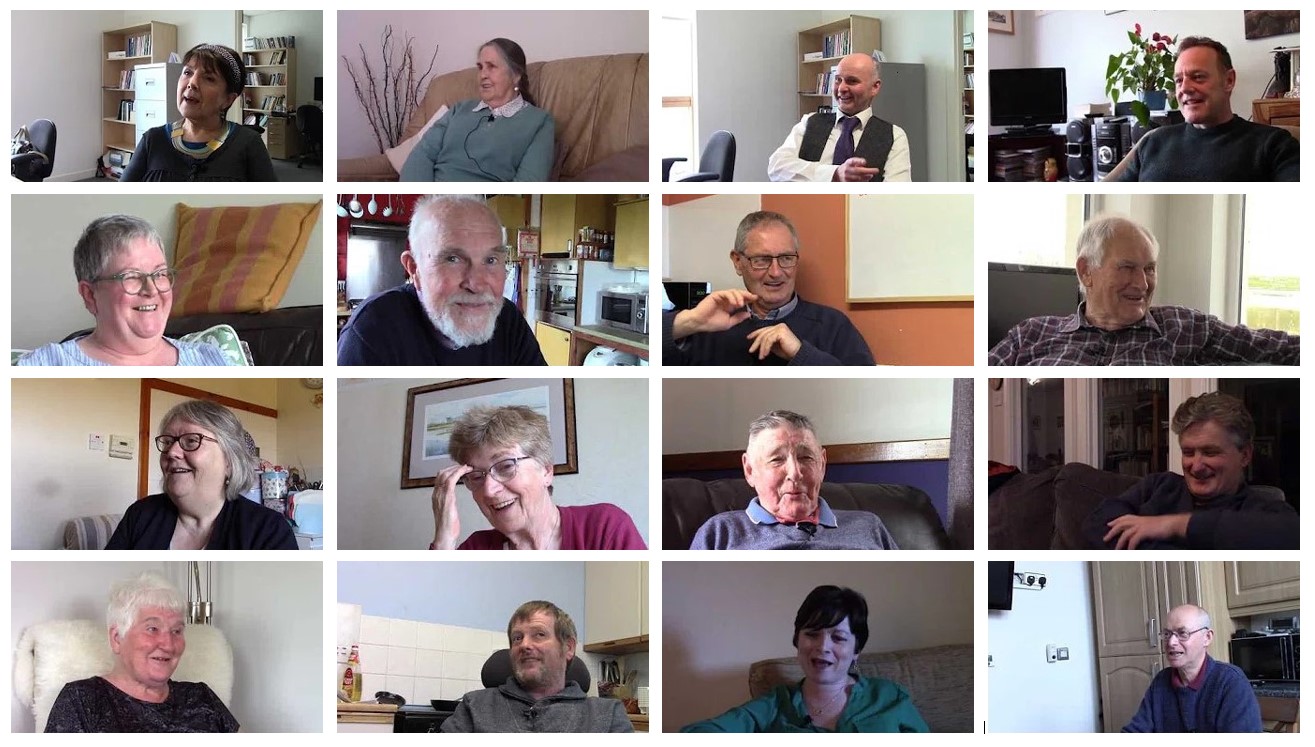
The Stòras Beò nan Gàidheal project has successfully met its target of producing 15 hours of new online community-based recordings of Scottish Gaelic, all fully transcribed! The collection comprises 31 videos of Gaelic speakers from four different islands in the Outer Hebrides talking about a wide range of subjects, including their upbringing in the islands and how they perceive things have changed during their lifetime. This project is led by the Language Sciences Institute (LSI) of the University of the Highlands and Islands, with Sabhal Mòr Ostaig and Soilllse, and is supported by Bòrd na Gàidhlig and Foras na Gaeilge. Irish partners are in the process of gathering together a parallel collection of recordings from the Irish Gaeltacht areas.

You can read more about the project on the LSI website here, or you can use the table below to go directly to the videos (on YouTube), with accompanying Clilstore transcripts and summary descriptions (in “Unit Info”).

South Uist Benbecula North Uist Lewis
Tòmas MacDhòmhnaill (1) Eairdsidh Caimbeul Alasdair MacDhòmhnaill (1) Pàdruig Moireach
Tòmas MacDhòmhnaill (2) Ailig Mac a’ Phì (1) Alasdair MacDhòmhnaill (2) Iain Greumach (1)
Hughena NicDhòmhnaill (1) Ailig Mac a’ Phì (2) Dòmhnall MacDhòmhnaill (1) Iain Greumach (2)
Hughena NicDhòmhnaill (2) Màiri Robasdan (1) Dòmhnall MacDhòmhnaill (2) Seònaid Mhoireach (1)
Alasdair Mac Asgaill Màiri Robasdan (2) Dòmhnall MacDhòmhnaill (3) Seònaid Mhoireach (2)
Catrìona Nic an t-Saoir (1) Seonag Smith (1) Aonghas MacPhàil (1) Christine Primrose (1)
Catrìona Nic an t-Saoir (2) Seonag Smith (2) Aonghas MacPhàil (2) Christine Primrose (2)
Seonag Smith (3) Gina NicDhòmhnaill (1)
Gina NicDhòmhnaill (2)

If viewers see resemblances in style to the earlier Saoghal Thormoid project, these are by no means coincidental! Stòras Beò nan Gàidheal builds on previous Island Voices experience of bringing this kind of recording practice into the community, in a way that is maximally user-friendly, and feels as natural as possible. Not every recording has a fully professional polish in technical terms, and the editing has been deliberately light-touch, but arguably that gives viewers a closer picture of genuine interaction in actual practice. The project will now pause its recording work in order to review and evaluate its progress to this point. This is not an end, but hopefully a beginning…

“Scotland of the East”

Island Voices were heard in Shillong, India, (the “Scotland of the East”) in October last year as part of the 2019 Year of Indigenous Languages celebrations at North-Eastern Hill University, where they held an “International Language Fest for Indigenous and Endangered Languages”. It was a two-day event with lectures and presentations at the university first, followed by a celebration of linguistic and cultural diversity in the town, with food and clothing stalls and exhibitions, and music and dance performances in many different genres and languages.

Gordon Wells took his camera with him for the Soillse Gaelic research network, and recorded some highlights for the wider “Mediating Multilingualism” project which is being led by the UHI Languages Sciences Institute, funded by the Global Challenges Research Fund. The resulting film, which references Island Voices in several places, has already been uploaded onto the LSI and Soillse websites, and can now also be viewed here. The film, presented in Gaelic and subtitled in English, is in fact multilingual, with the number of languages included well into double figures.

It starts with a two-minute introduction, giving some background and posing some questions as much for Gaelic interests as any other. Then comes the main film, “Dà Dhùthaich, Iomadh Cànan – दो देश, भाषाएं अनेक – Two Lands, Many Languages”, which is under 12 minutes long. This is followed by a brief 6-minute discussion, and a final very short postscript.

Here’s the film.

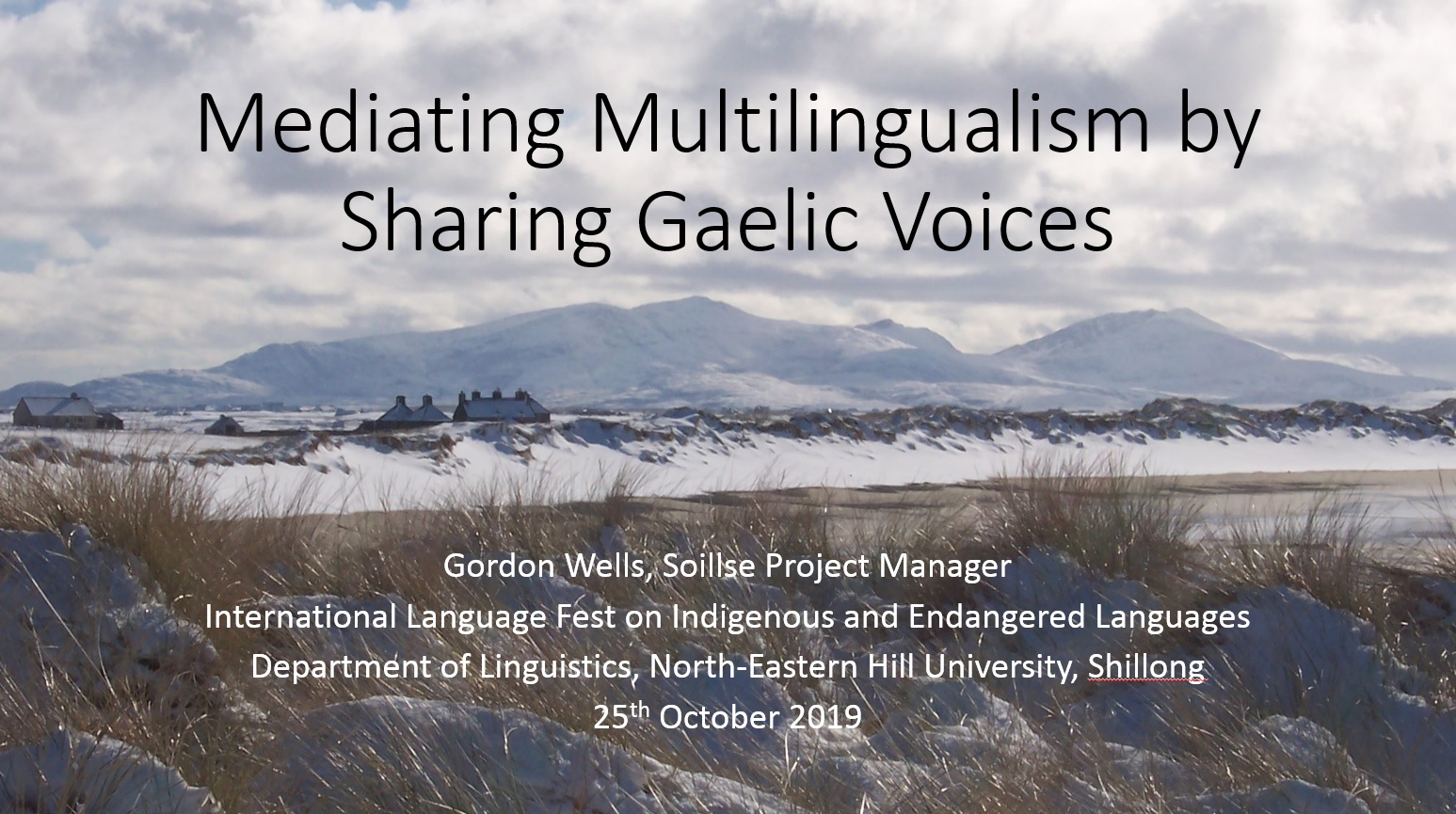
And here’s a PDF of Gordon’s presentation, in which he outlined the Island Voices project and some of its technical features (including Clilstore), and explored the potential for “sharing Gaelic voices” with other endangered or minority language interests. New techologies can greatly simplify the recording and film-making process, so enabling wider engagement with and by often marginalised communities.

அந்த செய்தித்தாள் – Am Pàipear

ஊஸ்ட் சமுதாயத்திற்காக முதன்மையாக சேவை செய்யும் செய்தித்தாளை பற்றிய ஒரு குறும்படம் இது. இந்தப் படத்தில் எவ்வாறு செய்திகள் பல இடங்களிலிருந்து சேகரிக்கப்பட்டு, நன்கு வடிவமைக்கப்பட்டு, அவற்றின் உண்மைத்தன்மை சரிபார்க்கப்பட்டு பின் அச்சில் வெளியிடப்படுகிறது என்பதைப்பற்றிய விளக்கம் தெளிவாக படமாக்கப்பட்டுள்ளது.

The sharing of Gaelic voices extends to another new language today, thanks to the kind collaboration of Dr Dharani of the Government Arts and Science College in Avinashi. She has now recorded a Tamil voiceover for our documentary on the Uist community newspaper, Am Pàipear, first published eight years ago, with feature stories on Norman Maclean and Tobar an Dualchais.

This emerges as a welcome spin-off benefit from the “Mediating Multilingualism” project in which Gordon Wells is involved through UHI and Soillse. Dr Dharani had already taken Clilstore into new linguistic territory through her interview with Gordon at the International Language Fest in Shillong, available here. Complementing that later with this longer film was then a simple question of translating the script and recording the new narration – all done on a mobile phone and transferred instantaneously from India to Scotland via Facebook Messenger!

Here’s the film:

And you can follow it on Clilstore too (with wordlinked transcript) in Unit 8020: http://multidict.net/cs/8020

Watch this space for more contributions from India soon, and remember new voices and “other tongues” are always welcome on Island Voices from anywhere in the world!


Stòras Beò: Hughena

Hughena MacDonald is the next interviewee in this series of conversations with Archie Campbell.
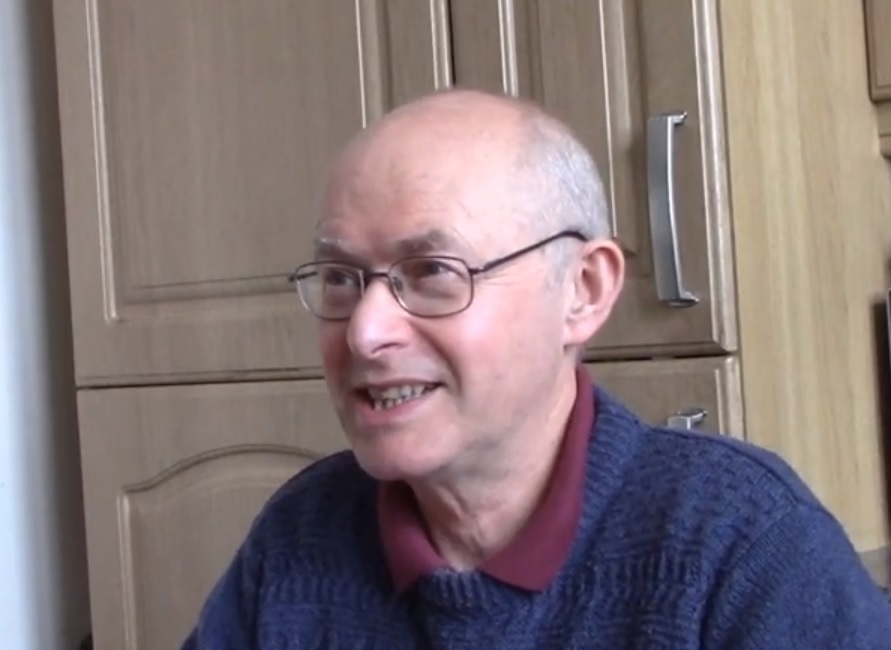
In Part 1, Hughena talks about her family background and her happy memories of growing up and going to various schools in Uist and Benbecula, including her experience of coming across computers for the first time when Sgoil Lìonacleit opened.

This was followed by a spell in Stornoway where she studied at the college and did part-time work, including with Radio nan Gàidheal. On returning to Uist she worked in various places, and raised a family. She describes how she enjoys working with people, and how she likes to relax afterwards.

You can read the wordlinked transcript here on Clilstore: http://multidict.net/cs/7915

In Part 2, discussion of the importance of Hughena’s faith to her leads onto broader reminiscence over customs and traditions in the days of her childhood, when casual visits to and from neighbours would be more frequent, often related to crofting matters. Hughena describes early memories of collecting and eating shellfish from the shore, and of baking skills less often put to use these days now that so much is so easily available in the shops. The conversation finishes with some discussion of the strength of Gaelic use in her family, how she’s passed it on successfully to her children, and the value of now encouraging older community members to share their spoken skills, while acknowledging the challenges involved in recording them.

The Clilstore transcript is available here: http://multidict.net/cs/7916

Stòras Beò: Tommy

Tommy MacDonald is another figure well-known to Island Voices followers. He appeared in several videos in our Series 2 Outdoors theme, and was the central researcher and interviewer in the Bonnie Prince Charlie set of audio recordings.

With a wealth of local knowledge and stories from his home community in South Uist, he was a natural choice for Archie Campbell to approach for the new Stòras Beò nan Gàidheal project, and one of the first people to be recorded “in the field”.

So here he is again, back in front of the camera. The two of them found a lot to talk about as Tommy retraced his life story so far, including his involvement in Gaelic community life and events, so the conversation has been divided into two parts.

Here’s the Part One video.

The Clilstore transcript for Part 1 is available here.

Here’s the Part Two video.

The Clilstore transcript for Part 2 is available here.