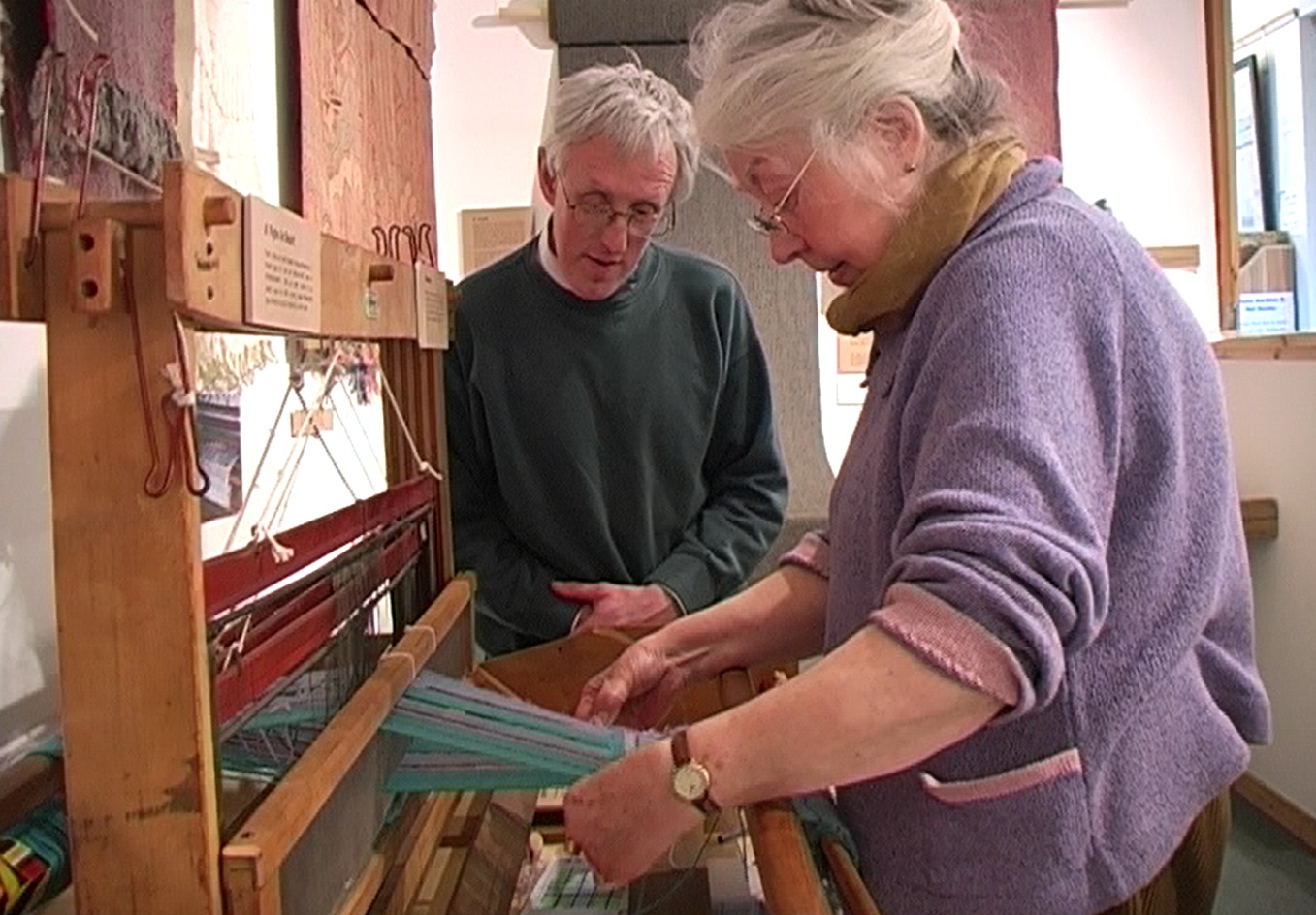
Creative Craigard!

Our Craigard film was the first we ever made, and we keep returning to it for inspiration!

This week’s exciting news, following our posts last Friday and Saturday, is the addition of optional subtitles to the Island Voices Gaelic videos on our YouTube channel. When we asked who would be interested in such a development on our social media last weekend, the positive reactions quickly came back in their hundreds. (Some folk also wanted the reassurance that this would not mean the withdrawal of un-subtitled videos or of the Clilstore transcripts – we have no intention of doing either!)

Given the strongly expressed enthusiasm, the response from the Speech Recognition research project team has been instant and impressive. Systems have been set up to enable the automatic subtitling of all the Gaelic output on our Island Voices Videos YouTube channel, and all 20 films in Series One are already done – with the Craigard documentary in first place on the playlist. Keep an eye out for swift progress on Series Two and other films in due course!

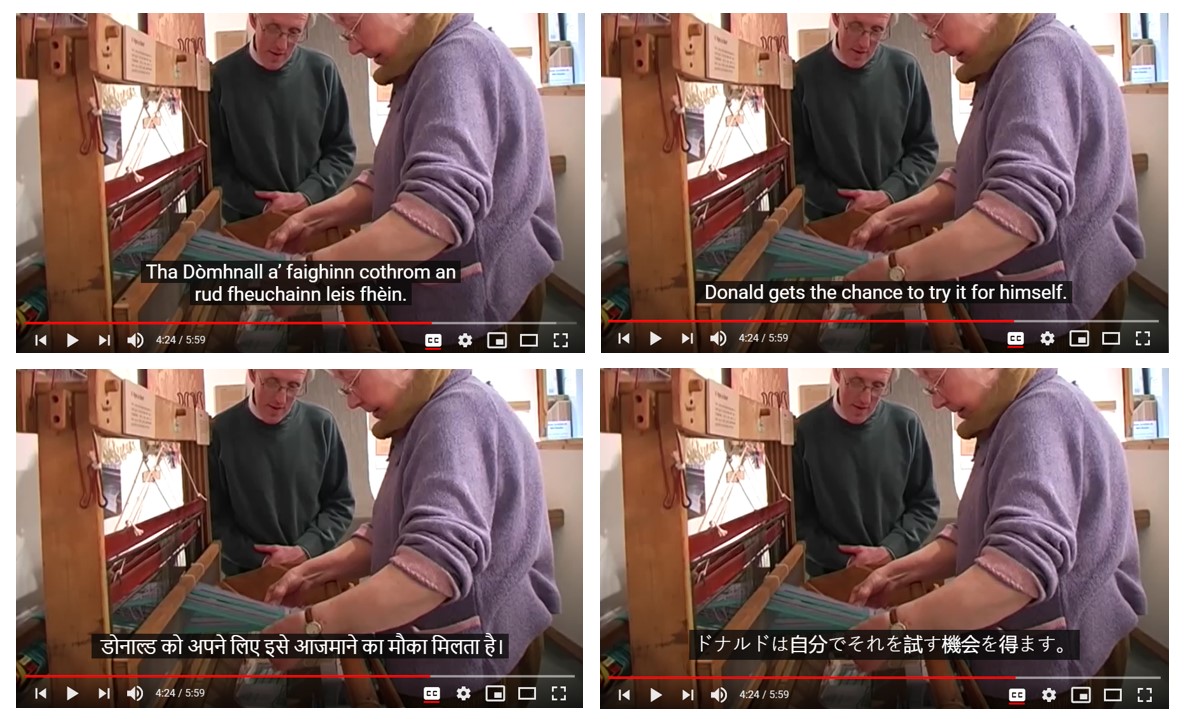
The way in is through the CC “Closed Caption” button. To see any subtitles at all, that needs to be on. (So the default viewing remains clear of any textual additions.) You should now see the Gaelic subtitles.

But that’s not all – once you have them on, there’s another clever little trick that enables Google Translate to work on them. If you go into Settings (next to CC) and then click on “subtitles” you’ll find an “auto-translate” option, which then opens a wide range of languages into which the Gaelic subtitles can be translated.

Machine translation remains an imperfect science, of course, so any expectation of error-free renderings will inevitably be disappointed. Nevertheless, even without this extra facility, Gaelic learners stand to benefit just from using the Gaelic subtitles alone as an extra support for their eyes to help their ears recognise what they’re hearing.

So here’s the Craigard film again – this time with the new multilingual subtitle functionality added.

Nor is this the first time that the Craigard film has taken the lead in test-driving new innovations and community adaptations. Donald Mackinnon’s re-voicing of the original films in Gaelic and English was our first step along the road to the re-purposing of many of our films in Other Tongues. And, much more recently, it’s the film Valentini Litsiou chose for her Greek contribution.

Donald in Gaelic:

Donald in English:

Valentini in Greek:

Who can say what the next innovation will be?
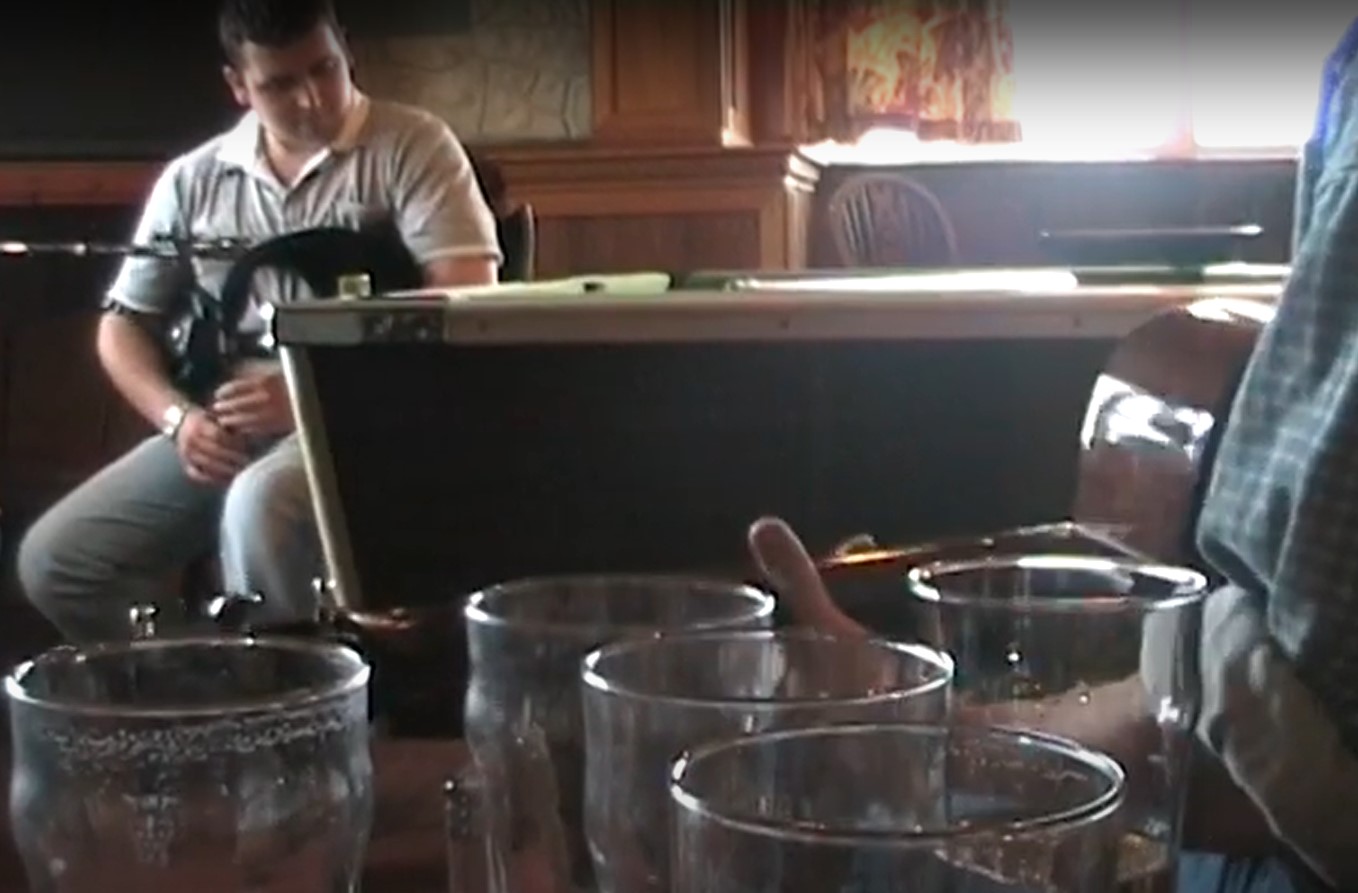
Gaelic Speech Recognition

Island Voices have made a significant contribution to this fascinating project led by Will Lamb, formally of Colaisde Bheinn na Faoghla and now at Edinburgh University.

Follow the tweet, or this link, not just for a full techie description that is clearly laid out, but also to see how the transcribed videos created by the Guthan nan Eilean project have been visually enhanced by Quorate‘s text aligner to automatically produce same-language Gaelic subtitles.

It’s dazzling stuff! And this is still the beginning, thanks to the seed funding from Soillse for collaborative work. Next stages promise to bring in additional partners and much wider applications. Watch this space!


Ceòlas nyári iskola

Rövid dokumentumfilm a Ceòlas skót-gael zenei nyári iskoláról, melyet a Skócia Nyugat Szigeteihez, a Külső Hebrdákhoz tartozó Dél-Uiston rendeznek meg minden évben.
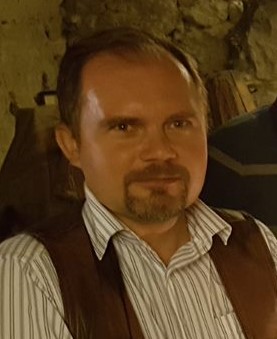
Hungarian becomes the nineteenth language in which an Island Voices film is featured, as part of our ongoing “Other Tongues” initiative.

We’re very grateful to László Horváth, a long time friend of the Gaelic language, for this kind and skilful contribution in his own mother tongue.

László teaches at Corvinus University and McDaniel College in Budapest, but he has been involved with Gaelic since he was 15 years old. He has attended several summer schools at Sabhal Mòr Ostaig, where he has lectured in Gaelic and made many friends. He has also written a series of Gaelic articles on Hungarian language renewal for the Gairm periodical. László is currently teaching his students in Budapest from Istanbul, where he is staying with his Turkish wife, Sinem. Still, somehow he managed to find time to send through to us a Hungarian version of the original commentary. Mòran taing, a László!

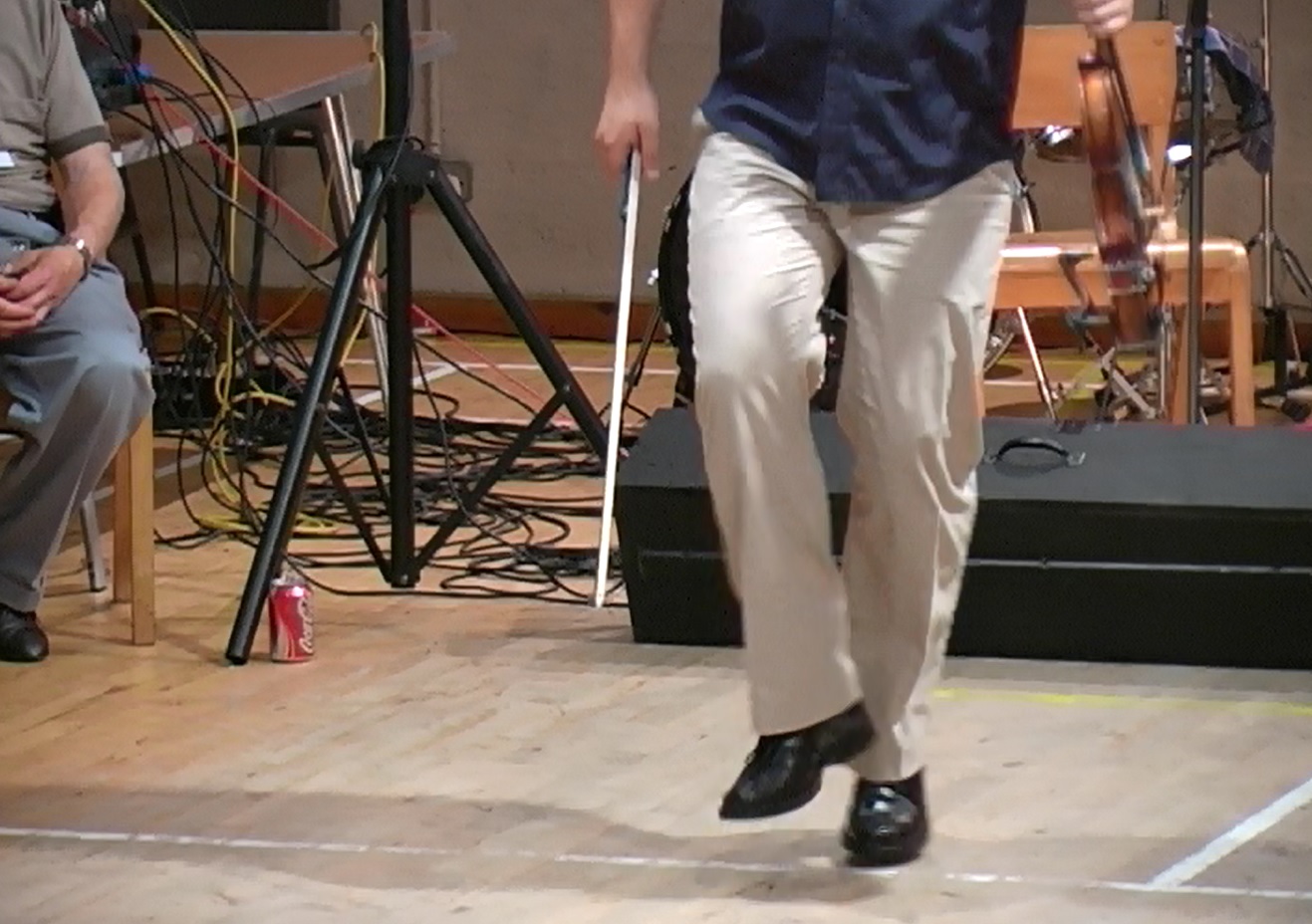
His chosen film is the documentary from the original Series One about the Ceòlas music summer school held annually in South Uist. It aims to integrate traditional music and dance in a community setting. It has strong links with tutors from Cape Breton in Canada, where old styles of Scottish fiddling and stepdancing have been maintained. The school attracts students from around the world.

As usual, a wordlinked Clilstore transcript – with the film embedded – is also available. You can find it here: https://multidict.net/cs/9092

[youtube https://www.youtube.com/watch?v=JD8pBRRx748&w=560&h=315]

Tο Κέντρο ημέρας Craigard

Μια ταινία μικρού μήκους για το κέντρο ημέρας Craigard στο Lochmaddy, στα Δυτικά Νησιά της Σκωτίας. Πρόκειται για ένα μέρος, όπου πολλά άτομα περνούν δημιουργικά και ευχάριστα το χρόνο τους.
Originally made in 2006, our Craigard documentary is now re-published with a commentary in Greek, as part of our “Other Tongues” initiative, in which our films are shared with other languages around the world. It’s a particular pleasure to see our first ever documentary, and still one of our favourites, brought back to life in this way!

As usual, a wordlinked Clilstore transcript – with the film embedded – is also available. You can find it here: https://multidict.net/cs/9062

Our narrator this time is Valentini Litsiou of C.V.T. Georgiki Anaptixi – an early partner with Sabhal Mòr Ostaig in one of the follow-up initiatives to the POOLS project out of which Island Voices/Guthan nan Eilean was born. So it seemed particularly appropriate to “go back to the beginning” when Valentini selected “Craigard” as the film she would like to translate and narrate.

Valentini still works for the same group, offering support in public relations, and has been involved in various other European projects. She’s always enjoyed this work because of the opportunities it’s offered to meet people of other cultures, who speak other languages, and who have other ways of thinking.
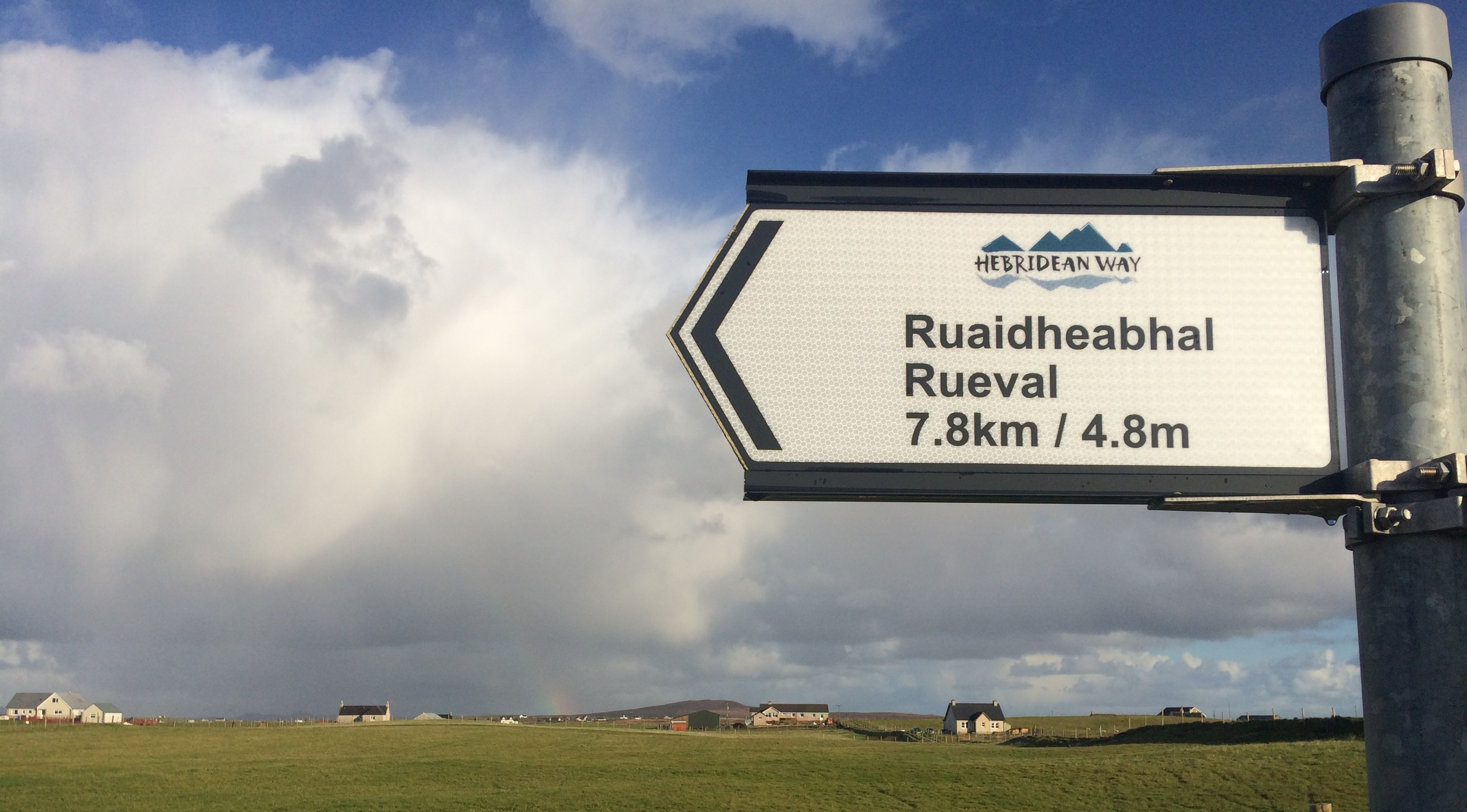
She has a wide range of domestic interests too, but is not enjoying this period of COVID-19 restrictions. Luckily for us, it didn’t stop her from making this excellent new contribution to Island Voices in double quick time! Perhaps the earlier experience of POOLS-related recording work made it an easy decision for her to get involved again?

Or maybe she’s just a natural star – witness her contributions in “Mi piace questo binario!”, also recently dusted off and re-presented…

[youtube https://www.youtube.com/watch?v=RFScg-VAQB8&w=280&h=158]


Gaelic Hebrides point the multilingual way

The University of the Highlands and Islands takes inspiration from Island Voices.

Perhaps a surprise to some, but not to us!

Here’s how it all comes back to Benbecula…

https://twitter.com/UHIPressOffice/status/1316717945377247233

2022 UPDATE: The press release is no longer available on UHI’s own webpages, but it survives under a Language Bonanza heading on the We Love Stornoway site.

The tweeted press release touches on a couple of international projects that are being taken forward by UHI’s Language Sciences Institute. It doesn’t have the space to describe in detail how each builds on experience first gained in the Island Voices/Guthan nan Eilean project, and the closely linked development of Clilstore at Sabhal Mòr Ostaig. Both of these have grown from originally European Union-funded initiatives.

Island Voices followers who have time and inclination to read a bit more may find the additional information below of interest.

Taisce bheo na nGael/Stòras Beò nan Gàidheal” is a joint Irish/Scottish Gaelic ethnographic retrieval project in which community-based expert speakers are recorded in their own homes. The first stage of the Scottish side of the project was completed shortly before lockdown began. There are now 15 hours of video material with Clilstore transcriptions on the Institute’s website, with access open to all. Project partners are now testing out alternative ways of making recordings online, in case continuing lockdown restrictions mean the Irish recording stage needs to be tackled in a different way.

The same issue has also arisen with the Institute’s “Mediating Multilingualism” project in India, in partnership with Amity University Haryana and the Indian network of Centres for Endangered Languages. With COVID-19 continuing to cause severe disruption to university-based activities there (including fieldwork), the project team has already been trialling the production of home-based recordings for publication on the same, highly flexible, online Clilstore platform. Six Indian languages have been recently added to its linguistic range. Some of these are featured in the short Gaelic film (subtitled in English) “Dà Dhùthaich Iomadh Cànan/Two Lands Many Languages” produced by the UHI team after visiting Shillong in North-East India at the end of 2019 (the International Year of Indigenous Languages). This is also available to view online on the project’s webpage.

Ceòlas yaz okulu

Güney Uist adasında bulunan Daliburgh kasabasinda her sene düzenlenen, İskoç Galcesi ve Galik müziği eğitimi veren Ceòlas yaz okulu hakkında kısa bir belgesel.

The Island Voices project is very grateful to Şirin Bryson for this Turkish version of our Series One documentary on the Ceòlas summer school – yet another addition to our “Other Tongues” collection!

Şirin works as a Pupil Support Assistant at Bun-Sgoil Taobh na Pàirce in Edinburgh, where she puts her Certificate of Higher Education in Gaelic to good use. She also speaks English, in addition to her Turkish. And she’s learned Japanese too. “I believe learning multiple languages has many benefits. One of them being able to connect to the culture where the language comes from.” Cho fìor ‘s a ghabhas!

As usual, we have also created a Clilstore unit for this film, so you can read a wordlinked transcript while you watch and listen to the embedded video: http://multidict.net/cs/8726

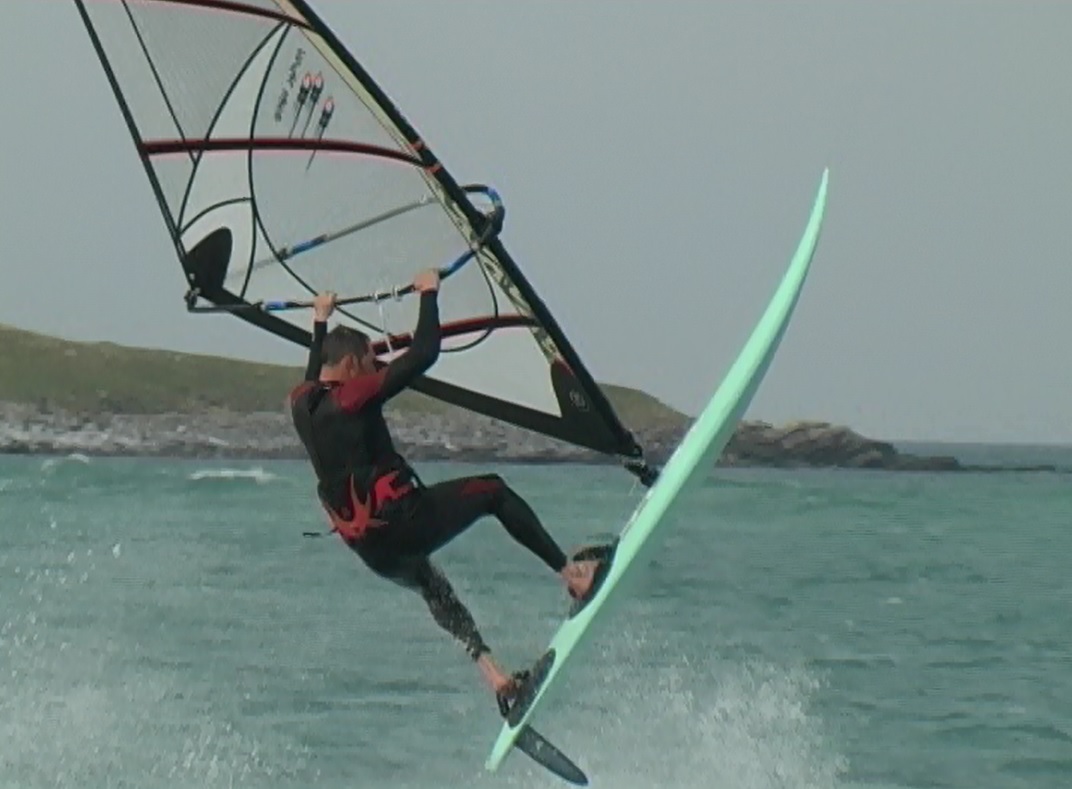
विंडसर्फिंग – Windsurfing (Hindi version)

Ding dong! “लंदन को जाने-वाली ब्रिटिश एयरवेज़ की उड़ान…. British Airways flight to London….”

For those with a keen ear for language, the international departures lounges of airports once provided rich listening, as announcements in multiple languages provided a constant reminder of linguistic diversity across the world. Then came COVID and the lockdowns. Almost overnight, international air travel came to a near-complete halt, and those multilingual moments have turned into ever more distant memories.

But our taste for linguistic adventure lives on, and physical lockdown has not disabled our capacity for creativity and innovation in responding to new communicative challenges, as our contributor Animesh Biswas has recently demonstrated, here and here. Nor is he alone! We now welcome a new addition to our Other Tongues collection with a Hindi version of our Windsurfing film by Rohini Tolsma.

Gordon Wells met Rohini, who is based in the Netherlands, at the 2019 NEHU International Language Fest for Indigenous and Endangered Languages in Shillong. The Netherlands is currently relaxing some of its most stringent lockdown restrictions, but in this exercise Rohini followed the same simple modus operandi as previous recent contributors, recording her voice on her phone, and sending the results to Gordon by Facebook Messenger.

Anyone listening will be struck by the clarity of Rohini’s diction, and may find themselves wondering how her voice somehow feels familiar. Well, if you’ve passed through Heathrow Terminal 5 or any other similar airport lounge, the chances are you have heard her before, as Rohini’s day job is to record the public announcements in Hindi for airports across the world. Island Voices have a Hebridean locus, but a truly international reach!

Here’s the film:

And here’s the wordlinked Clilstore transcript: Unit 8610

সমুদ্রপথে সেইন্ট কিলডা – Seatrek to St Kilda (Bangla version)

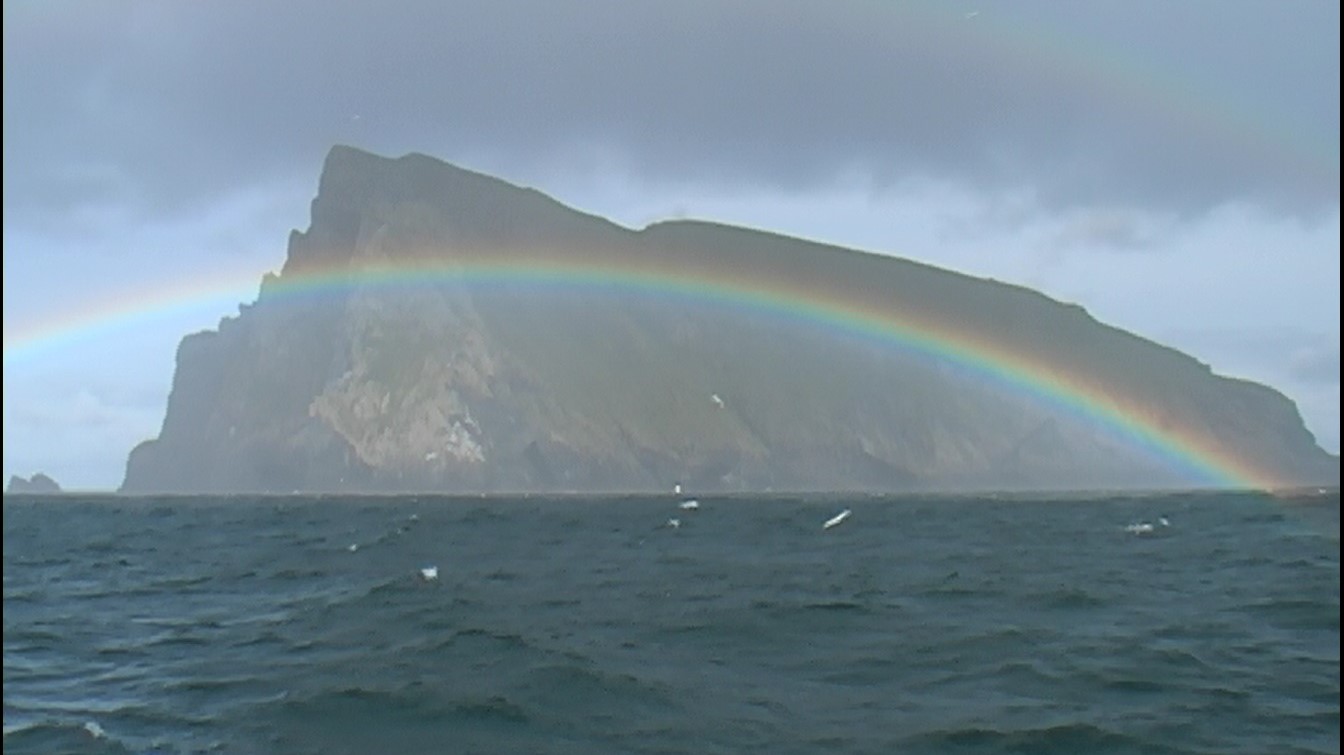
এই তথ্যচিত্রের মাধ্যমে সেইন্ট কিলডার সংক্ষিপ্ত বিবরণ তুলে ধরা হয়েছে। ল্যোওসের একটি পর্যটন সংস্থার সঙ্গে এই অভিযানটি সম্পন্ন হয়েছে। ভ্রমণের তালিকায় রয়েছে মূলদ্বীপের প্রাকৃতিক ও সাংস্কৃতিক পর্যটন। আটলান্টিক মহাসাগরের বুক চিরে এই অভিযানে দীর্ঘ সমুদ্রযাত্রার ক্লান্তি তো নেইই বরং আছে মন ভালো করা সব অসাধারণ দৃশ্য। নির্জন সমুদ্রসৈকত, অজস্র পাখিদের কোলাহল, প্রকৃতির নিবিড় ছোঁওয়া ও প্রাচীন মানব সভ্যতার ঐতিহাসিক উপাদান সব মিলিয়ে এক রোমাঞ্চকর অভিজ্ঞতা।

Bangla (Bengali) is the latest addition to Island Voices’ Other Tongues initiative, thanks to independent researcher Animesh Biswas, who can now add “film narrator” to his list of other talents! The language has hundreds of millions of speakers, yet the question may well be asked if any of them have previously had any access to information about the St Kilda dual natural and cultural heritage site in free-to-view online documentary format in their own language?!

On a linguistic note, it’s worth listening out for the pronunciation of placenames in the film. Animesh generally opted to go for Gaelic rather than English models, a process greatly assisted by the regular phonetic nature of Indian writing systems. Nach math a rinn e!

A Clilstore version with full wordlinked transcript and embedded video is available here: Unit 8568.


Stòras Beò: Christine

Christine Primrose will need little or no introduction for the Gaelic enthusiasts who follow Island Voices. A stellar singer, she has long been a leading light in the promotion of Gaelic music and the tradition which nurtures it. If, by chance, you are coming to acquaintance with her for the first time, this interview in English (with further useful embedded links) for Folk Radio will give you an indication of her central position in the world of Gaelic music.

In the clips below, she talks freely in Gaelic to Pàdruig Moireach – who also has Carloway roots – for the Stòras Beò nan Gàidheal project. A feast for the ears for anyone with a taste for good Lewis Gaelic!

In the first part, Christine first recalls her early childhood in Carloway, Lewis – a close community in which every house had a loom. She started school very young, but always remembers singing – whether to neighbours in their homes, or at community concerts when still a young girl. She talks about the pressure of performance and how to look after your voice. Choral singing is also discussed. Her early career through school, college, and work in Glasgow was marked by singing, culminating with the prize for “seann nòs” (a term which she questions) at the Mòd. (You can get a Clilstore transcript here: Unit 8434.)

In the second part, Christine talks about touring Ireland and the novel experience of presenting her songs outside her community, emphasising the importance of feeling to maintain authenticity. She is disciplined in her approach, while also bringing her own interpretation to a song. Care for the rhythm of the words enhances the story. Moving to Sabhal Mòr Ostaig enabled her to maintain her singing career, while helping to promote the Gaelic college. She enjoys teaching, and listening to singers from other traditions. She stresses the importance of giving young performers time to learn their craft before pressurising them to perform. Return visits to Carloway underline for her the importance of acknowledging change. (You can get a Clilstore transcript here: Unit 8435.)


Locks, Links, and Languages

It’s April 2020 and the global lockdown continues, whether you’re on the West coast of Scotland or in West Bengal. We’re largely “confined to quarters” in the international bids to lessen the impact of the COVID-19 pandemic. The internet has many faults, but now offers the potential to afford mental release in times of physical restriction, at least to those fortunate to have access to it. Here’s an example.

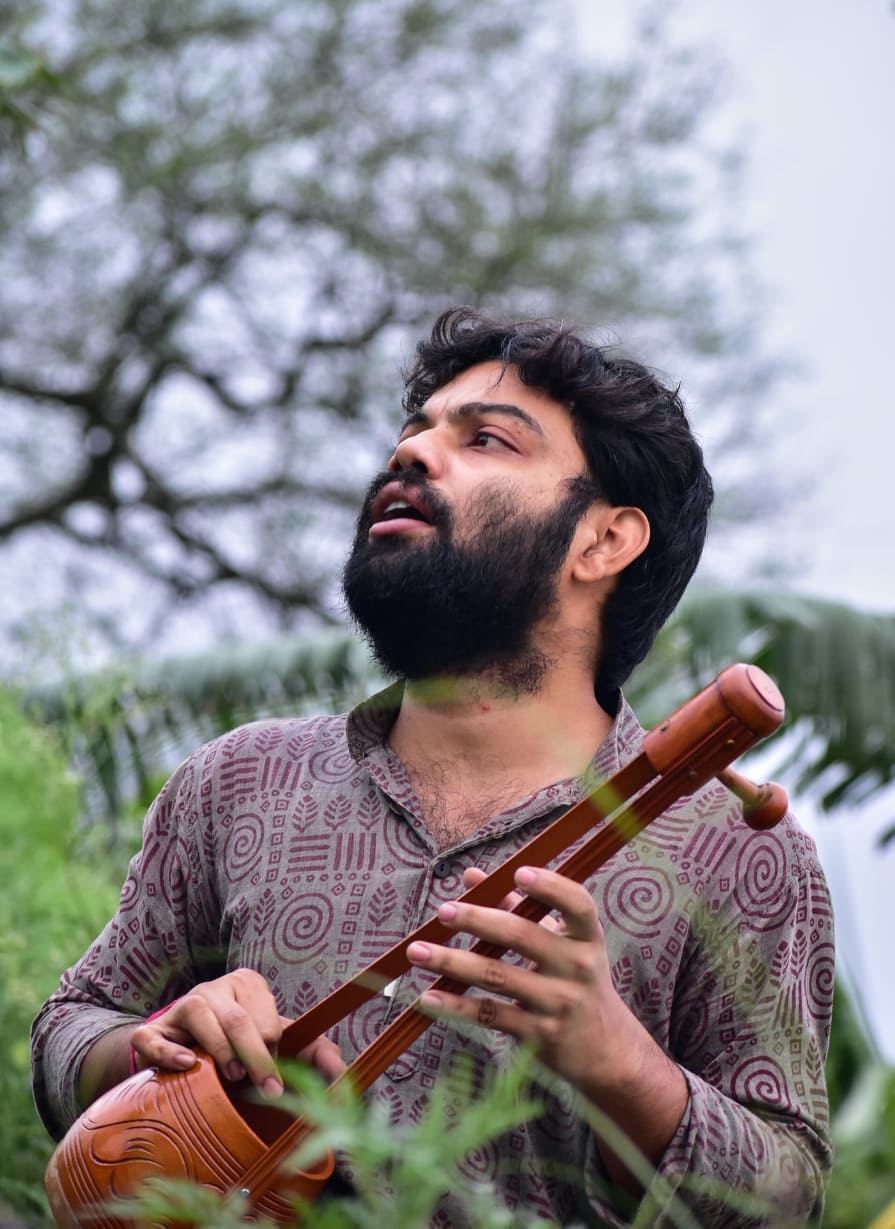
Animesh Biswas is from Nadia, West Bengal, India. Graduating from the Department of English at the University of Kalyani, he is an independent reasearcher working on Bangla folk songs. He has no training in music, but is learning from the folk singers he meets during his research work.

Attending the North-Eastern Hill University International Language Fest in October 2019, he made acquaintance with Gordon Wells (who was speaking about Island Voices, and its potential as a model for other language communities) and they’ve maintained contact through Facebook since. Having heard him sing in Shillong, Gordon was delighted just a few days ago to receive a recording from Animesh over Facebook Messenger, made in his home in Nadia. Followed by snaps from his camera, and some toing and froing over recording revisions, the ingredients were quickly all present for a new video and Clilstore unit, presenting a Bengali song in the Baul tradition with wordlinked transcript. Ta da!

For the full wordlinked transcript, follow this Clilstore link: http://multidict.net/cs/8515

In addition, Animesh provided this English translation of the lyrics of the song:

You wish to chain my hands and my feet. How will you chain my mind?

You may shut my eyes and my mouth. How will you bind my spirit?

I couldn’t go to the banks of the Jamuna to fetch water. Nor, Sakhi, could I get a glimpse of him who stirs my passion.

You may refuse my wishes and deny my caress. How will you confine my passion?

I bring no shame to my family, nor stigma. What’s wrong with making him a garland round my body?

You may lock me in a room, block my way. How will you alter the cosmic design?

How?

Animesh describes the Baul tradition as being at the confluence of Vaishnavism, Sufism, and Tantric Buddhism. Devotion to the Almighty is the essential component, here expressed through the love of the devotee Radha for Krishna.

Speaking of this song, he says “I think in a way it conveys how pent-up we are in today’s world. Even though in literature we get to visit our dreamland vividly, in actual life it is a distant possibility.”

Perhaps we may also take inspiration from Radha’s spirit of defiance and determination to transcend earthly shackles in a period of physical privation?