Back School Memories

SchoolMemories

We’ve previously drawn attention to some of the fascinating YouTube videos coming out of Comann Eachdraidh Sgìre Bhac, and to the fact that a number of the Gaelic ones have now been enhanced with optional same language subtitling (which can also be auto-translated into numerous other languages, including English).

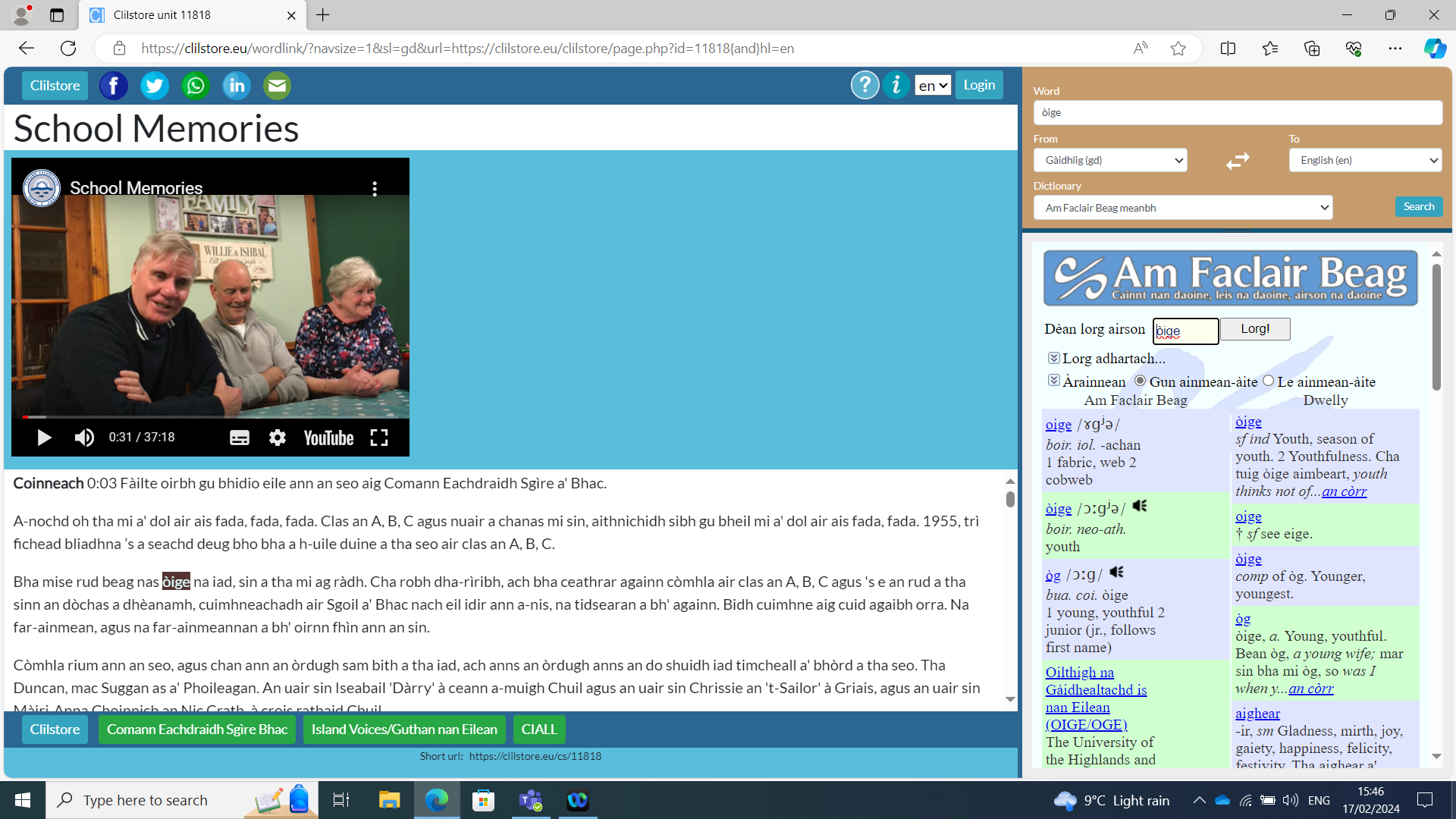
Of course, once the subtitling has been done, that also forms a base on which other platforms can be built – such as a learner-friendly “Clilstore” unit. This is an online tool which creates a new webpage with the video embedded alongside a scrollable text, so you can look at and listen to the video while at the same time following the transcript in real time. Plus, there’s a special trick which allows learners to click on any word they don’t know and immediately gain access to a dictionary translation of it.

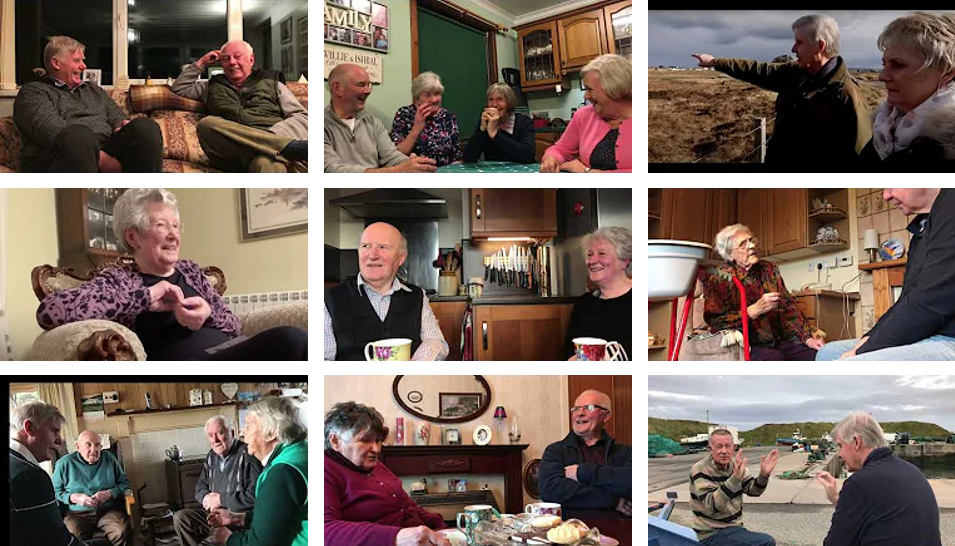
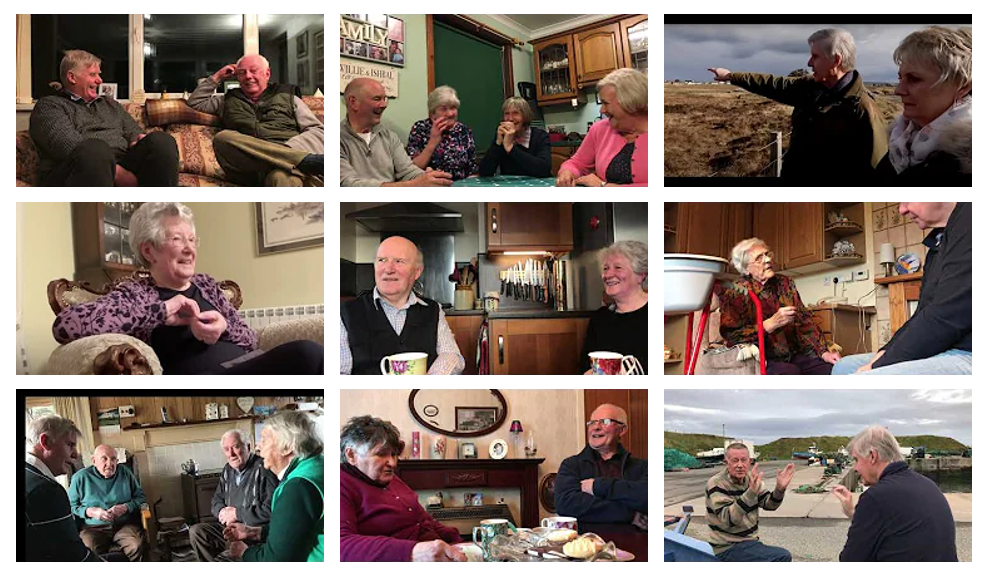
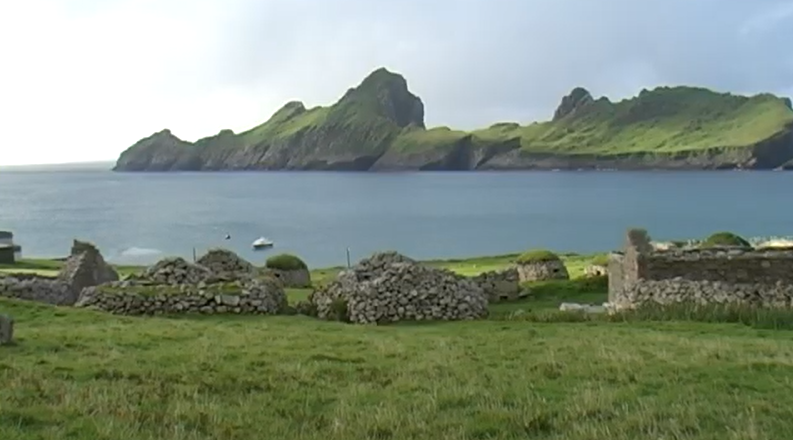
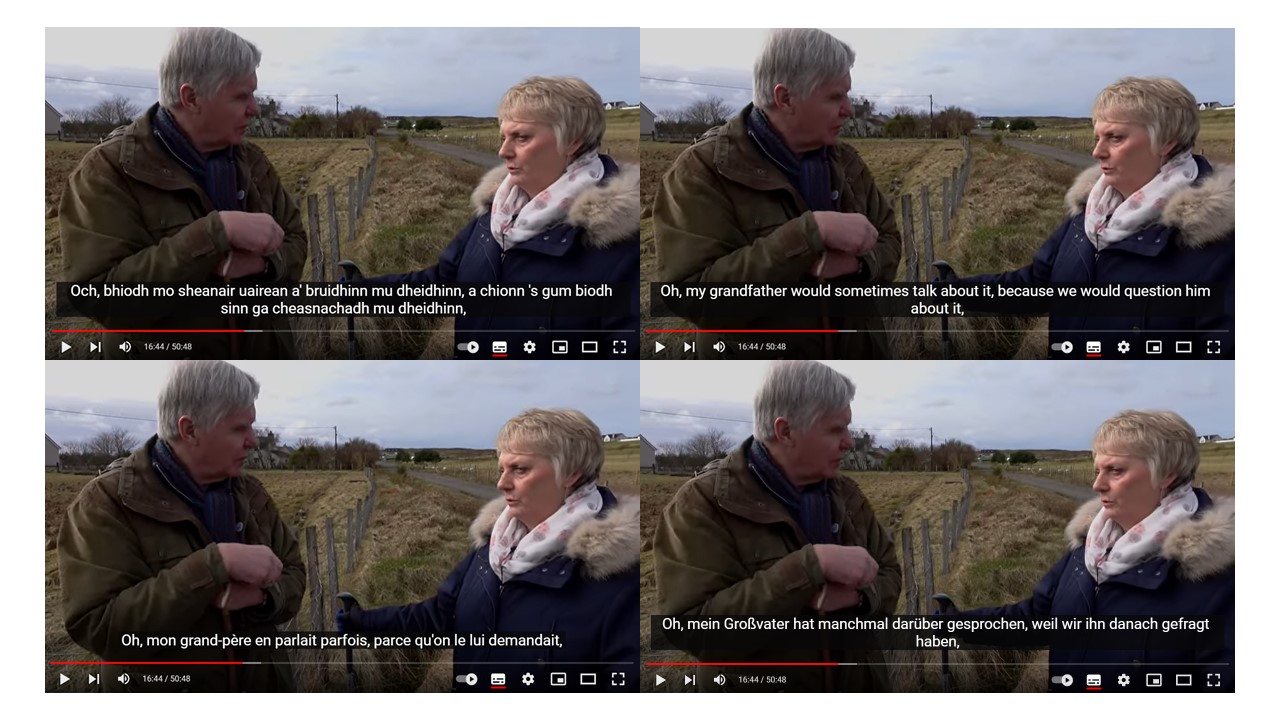
So here, with support from the University of the Highlands and Islands’ “CIALL” initiative, is another example of the Clilstore software being put to use with a community-produced recording about School Memories from Sgoil a’ Bhac, with Coinneach MacÌomhair in conversation with some of his former classmates.

Clilstore Unit 11818 – “School Memories”: https://clilstore.eu/cs/11818
Retro Retrieval

Nicosia video makers

We’ll continue our review of previous Gaelic recordings into the winter months, given the popularity of our autumn social media season. But we’re going to start the New Year with something a little bit different – and warmer – while sticking with the Gaelic unifying theme. We’ll kick off with some earlier films made “in the style of” or “about” Island Voices, before returning to more classics from the original series.

Island Voices in fact owes its inception to the stimulus provided by the EU’s Leonardo funded POOLS project of 2005-2007. It was through that successful partnership that the Guthan nan Eilean idea came into being – and won the 2007 European Language Label. POOLS turned out to be just the first of many follow-up projects that built on the original theme, with Island Voices linked to many of them.

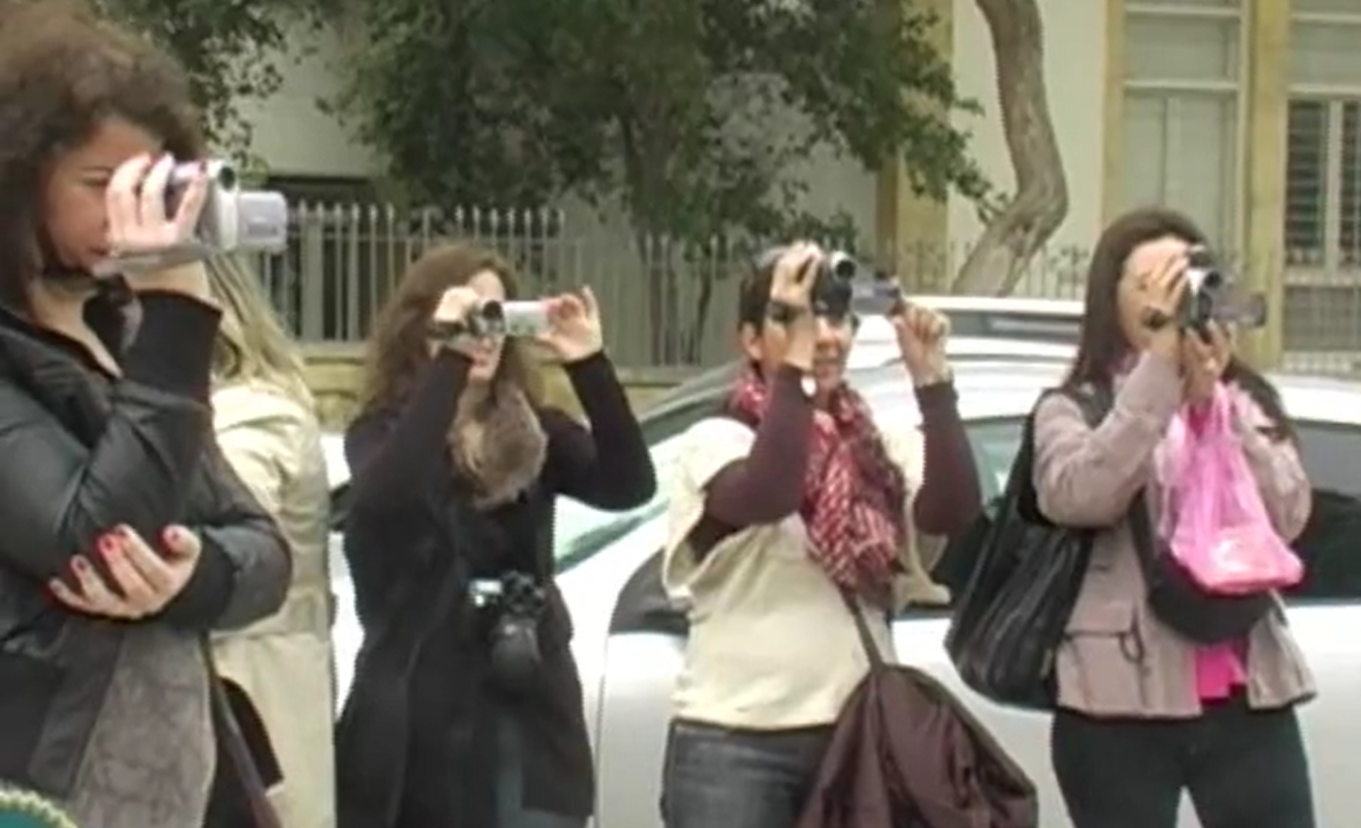
POOLS-2 (2009-2011) was an early example, again with a video production element included, which enabled us to link with other European islands like Cyprus and Malta. In these demo clips from a 2010 video workshop in Nicosia, the fundamental learning point is made that serviceable video-making need not be the exclusive preserve of industry professionals. And in language teaching terms, it can be a highly productive process, with multilingual knock-on benefits potentially within reach in return for the initial creative input.

These videos were put together as a demo for language teachers interested in the use of ICT in language teaching. Participants spent a morning taking pictures. The following day, after pooling their resources, they each edited together their own short film, using this demo as an exemplar.

They were recently “rediscovered”, and the Gaelic version has now been additionally equipped with the learning assisting enhancements that have since become available – including the now standard Clilstore transcript (Unit 11794), plus optional YouTube subtitles (that can further be auto-translated through the Settings Wheel).

A bheil Portagailis agad, neo am bu toil leat beagan ionnsachadh?!

Tionndadh Gàidhlig:

English version:

We’ll place direct YouTube links to more Gaelic films on a similar outward-looking and multilingual theme on Facebook and Twitter in days to come…

Back Community Playlist

CEBac playlistComann Eachdraidh Sgìre Bhac have been busy recently, placing translatable subtitles on more of their videos. It’s only a year since the first one went up – A Tour of Upper Coll/Cuairt Chuil Uaraich – with Coinneach MacÌomhair and Maighread Stiùbhart.

Now, with the help of Comhairle nan Eilean Siar and the Western Isles Development Trust, student placement Ellie MacDonald has added another 8 videos to the subtitled archive. That’s a substantial piece of work which deserves hearty congratulations!

You can now view the “box set” in this dedicated playlist:

There are hours of fascinating discussion and reminiscence there. And learners or non-speakers of Gaelic can also follow the conversations with the help of the subtitles, not to mention the option of slowing down the speed of the video to help you catch what’s being said, using the YouTube Settings wheel.

Mealaibh ur naidheachd, a chàirdean!

Maltese Seatrek to “Santa Kilda”

SantaKildaWe’re deeply indebted to Sharon Pisani, our Maltese “Island Voice”, for the latest addition to our “Other Tongues” collection! This takes up to 22 the number of languages in which we have Island Voices films. Abair ioma-chànanas!

We first came into contact with Sharon through Comann Eachdraidh Uibhist a Tuath, the North Uist Historical Society, for whom she’s doing great work in supporting the “Aire air Sunnd” project.

Based at St Andrews University, where she’s doing doctoral research on augmented reality, she’s somehow also found the time to translate and record a Maltese version of our Series Two Enterprise “Seatrek to St Kilda” film. Apparently, the island theme struck a chord!

And for anyone learning Maltese, or who perhaps just wants to see what it looks like written down, we’ve also created one of our trademark Clilstore units – https://clilstore.eu/cs/11181 – which combines the video with an online transcript wordlinked to online dictionaries.

Gaelic voices on a roll

Gaelic Cafe composite croppedLooped Island Voices playlists will again be on display in Sgoil Chàirinis, North Uist, at the Comann Eachdraidh Uibhist a Tuath Digital Fèis for the “Aire air Sunnd” well-being project at the beginning of September.

As part of the event, there is a drop-in café where people can stop by for a chat, or simply sample some of the many local Gaelic voices that have been recorded over the years. Gordon Wells will be in attendance, ready to talk to anyone interested in how the collections were made, or who might like to add to the ever-growing archive of recordings.

And on the Saturday morning, Archie Campbell, who has been leading a series of Gaelic walks over the summer, will also be on hand for anyone who likes to chat over a cup of tea. Agus ‘s e a tha math gu bruidhinn! You can view the full programme for the fèis here.

It’s a digital event, so virtual attendance is also possible for those reluctant or unable to attend in person. You can find the event on Facebook. Likewise, the playlists are all accessible online. Use the live links in this bilingual poster, and you can start watching right away!

Stòras Beò: Coinneach & Maighread

CandMmontageHere’s a new departure with some well-known and well-loved faces. Comann Eachdraidh Sgìre a’ Bhac (Back historical society) have been producing home-grown videos for YouTube for a while now, many of them fronted by Coinneach MacÌomhair, a very familiar voice from decades of sterling service with BBC Radio nan Gàidheal. In the video below, he’s joined by renowned singer Maighread Stiùbhart as they take viewers on a walking tour of Col Uarach.

It’s a remarkable film, in which the presenters’ deep knowledge and love of their home turf shine through, beautifully expressed in Gàidhlig Sgìre a’ Bhac. The video has been online for a few months now, but there’s been a new development – the addition of CC subtitles (which you can switch on or off, according to taste). This has been made possible following meticulous extra work by Maighread to transcribe the entire video so that it can be added to the Stòras Beò nan Gàidheal collection. And as followers of Guthan nan Eilean know, once the Gaelic subtitles are up, YouTube settings will also offer you auto-translation into many other languages – English included!

Plus, the “Stòras Beò” treatment means you can also access the full wordlinked transcript online through this Clilstore unit: https://clilstore.eu/cs/10540

Naturally, we’re delighted at Island Voices to be able to work with another local history society in the Western Isles. We hope such partnerships will continue to blossom and grow!

Scotland’s Gaelic College: an Okinawan take

Okinawandumptitle (2)

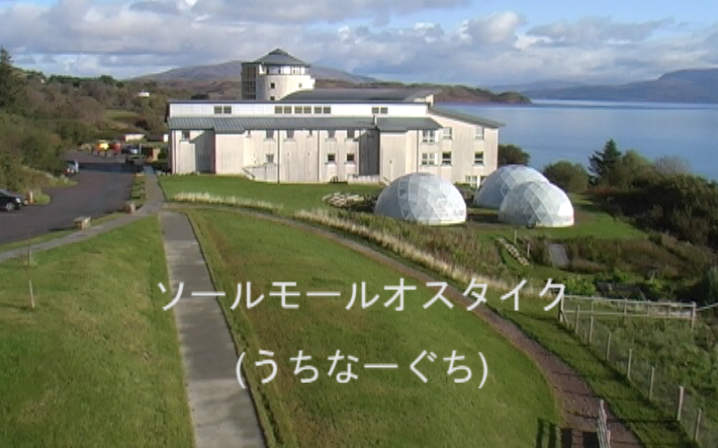
ソールモールオスタイク んでぃいーる スコットランド ぬ ゲーリック 大学に ちーてぃ うちなーぐち っし  うんぬきやびら。

(“Nach bruidhinn sinn mu dheidhinn Sabhal Mòr Ostaig, Colaiste Ghàidhlig na h-Alba, ann an Uidsianàguidsidh – cànan Okinawa.”)

At Guthan nan Eilean we centre our Gaelic attention on the Hebridean islands where the language is still most widely spoken, while reaching out to a worldwide community of interest. We believe this provides a firmly grounded platform, rooted in day-to-day vernacular practice, on which to build links and relationships with other linguistic communities who may be facing similar challenges, transcending nationally drawn boundaries of frequently debatable relevance or disputed authority for those who actually speak the languages in question.

So we’re delighted now to add Okinawan – another island language at apparent risk of societal desuetude – to our list of Other Tongues in which our films have been re-purposed. Here, Tomoko Arakaki of the Okinawa Christian University has provided a fresh voiceover for our short documentary film about Sabhal Mòr Ostaig. This was first made in Gaelic and English for Series 2 Generations, with a Breton version following more recently. It’s a source of pleasure and encouragement to us to make this concrete and practical new link across seas and continents, with a view to sharing news and ideas in a manner as suggested, for example, in the “Two Lands Many Languages” film which was shot mainly in Meghalaya during the International Year of Indigenous Languages.

Hebridean communities have functioned bilingually for generations, with the balance only tipping drastically in a majoritised monocultural direction within the living memory of current residents – an experience commonly shared in similar contexts across the world. If Island Voices has anything to offer in terms of redressing that imbalance, we’re more than happy to share lessons from our Gaelic work with others.

Producing an accompanying Clilstore transcript – at https://clilstore.eu/cs/9722 – presented various challenges, not least the lack of an appropriate online dictionary for Okinawan. Fortunately, Caoimhín Ó Donnaíle at SMO has already been putting his mind to this issue in relation to the “Mediating Multilingualism” project led by the UHI Language Sciences Institute. We can look forward to extending his “Custom Wordlist” approach beyond Okinawan to Indian and Jamaican languages in the near future. Watch this space!

Titles for the Raiders

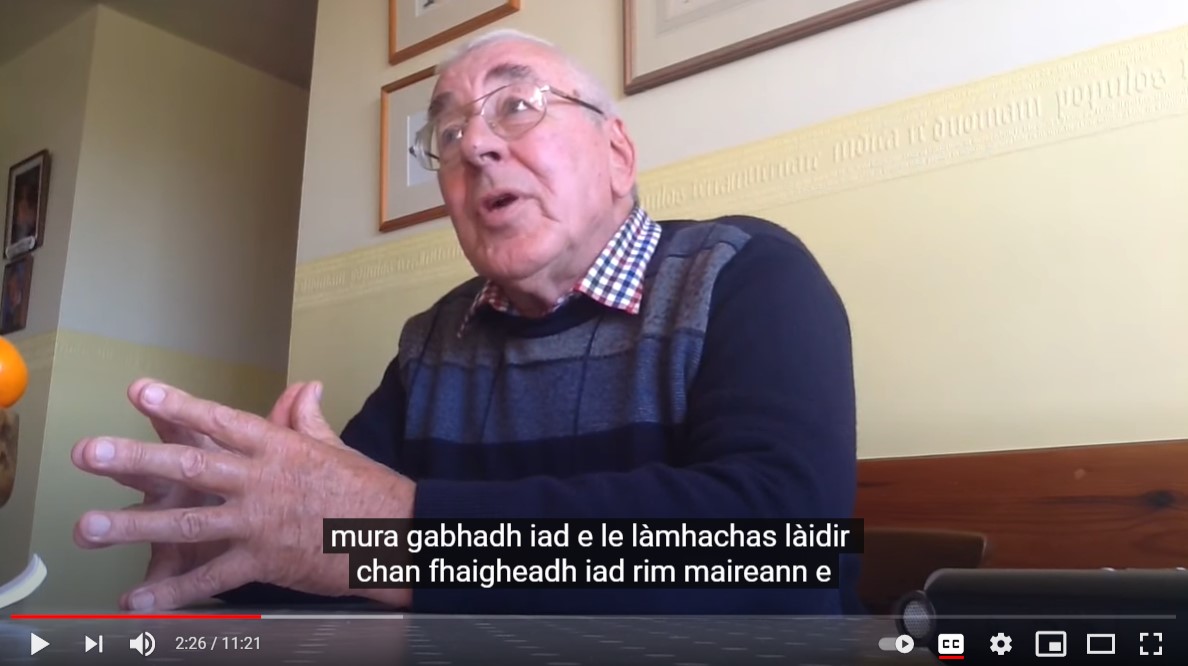
AlecScrnShtRetired policeman Alec MacAulay recounted this story in 2014 of his raider father’s bold exploits on coming back home to Uist from the First World War. Returning soldiers across the islands were in no mood for undue deference to the landowning classes, and were taking crofting matters into their own hands, with strong popular support.

“Làmhachas làidir” was the call of the hour. It was a fascinating account, related on the day to Archie Campbell, and recorded as part of the Comunn Eachdraidh Uibhist a Tuath project “An fheadhainn tha làighe sàmhach”.

Skilfully told here, it’s a compelling story well worth repeating, and recent techie developments have enabled Island Voices to enhance the access both for learners of Gaelic, and for those who don’t know the language at all. Now you can click on Closed Captions to get written Gaelic subtitles, which can then be machine-translated simultaneously into English and scores of other languages through “auto-translate” on the Settings button. If you missed it first time round, here’s your chance now!

Leading the technical team that’s facilitating this progress for Gaelic is Will Lamb, ex-Colaisde Bheinn na Faoghla, now at the University of Edinburgh. There’s a new report by Lucy Evans on the GARG (Gaelic Algorithmic Research Group) blog, detailing latest developments.

Stòras Beò: Anna

AnnaAnna MacInnes, from Callanish on Lewis, talks to Maggie Smith about her family connections to the Breasclete community and school, where Gaelic Medium Education was pioneered.

In the first section of this two-part conversation Anna reveals how the Callanish Stones have always attracted tourists, but she recalls from her childhood the cèilidh culture amongst the locals, including many “characters”.

Her career to date has been varied, from Gaelic teaching to working at sea, but she remains attached to a crofting lifestyle, still keeping cattle. Currently at home with a baby, she comes from a musical family, and plays box and pipes. With fewer people now working their crofts she’s noticed a change in the appearance of the township.

A wordlinked transcript, with the video embedded, is available on Clistore here: https://multidict.net/cs/9355

In the second part, Anna and Maggie talk about changes in local culture. Noting that change and development are natural, Anna regrets the loss of local distinctiveness in Gaelic speech. The musical culture is strong. The link with the language should be upheld. There have been various sources of employment, including offshore as well as at the hospital or with the council, plus the nearby pharmaceuticals factory and the community-owned visitor centre. Visitors have included royalty. But the community hall offers a local focus. She remembers some of her grandmother’s special words, and reflects on the value of having family relations all around. It’s important to value what’s past, including local songs, as life goes on.

A wordlinked transcript, with the video embedded, is available on Clistore here: https://multidict.net/cs/9356

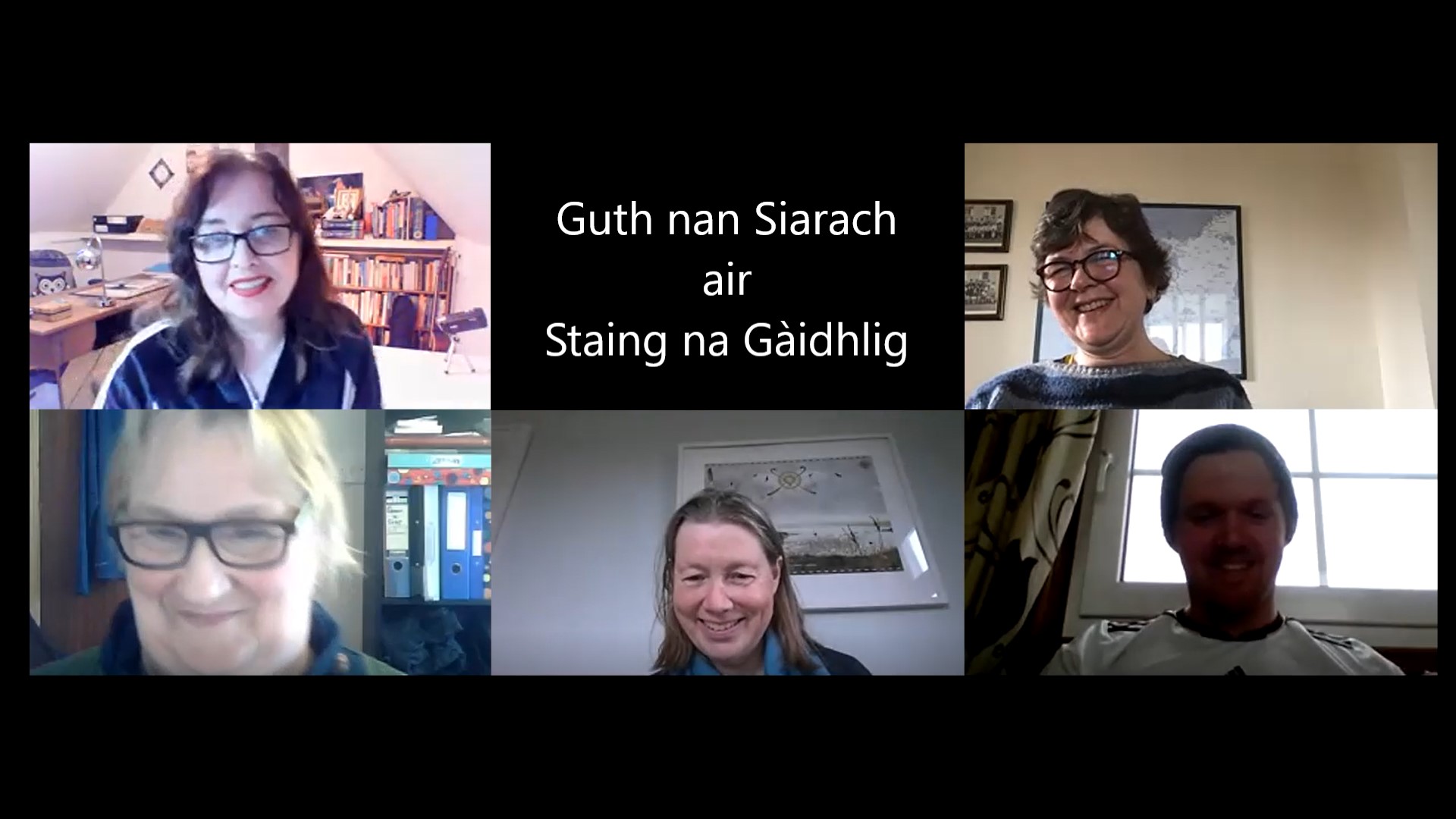
Guth nan Siarach

Guth nan Siarach” (or “Voice of the Westsiders”) is the name of a new Gaelic community group in Lewis, set up in response to the 2020 publication of the Soillse research book, “The Gaelic Crisis in the Vernacular Community”.

Members of this group recently attended an online Soillse workshop on “New Insights on the Vernacular Gaelic Communities in the Islands”, led by Professor Conchúr Ó Giollagáin. It was a refreshing opportunity for community members to take part in discussion with interested academics from a range of universities, both within the Soillse network and from outwith Scotland.

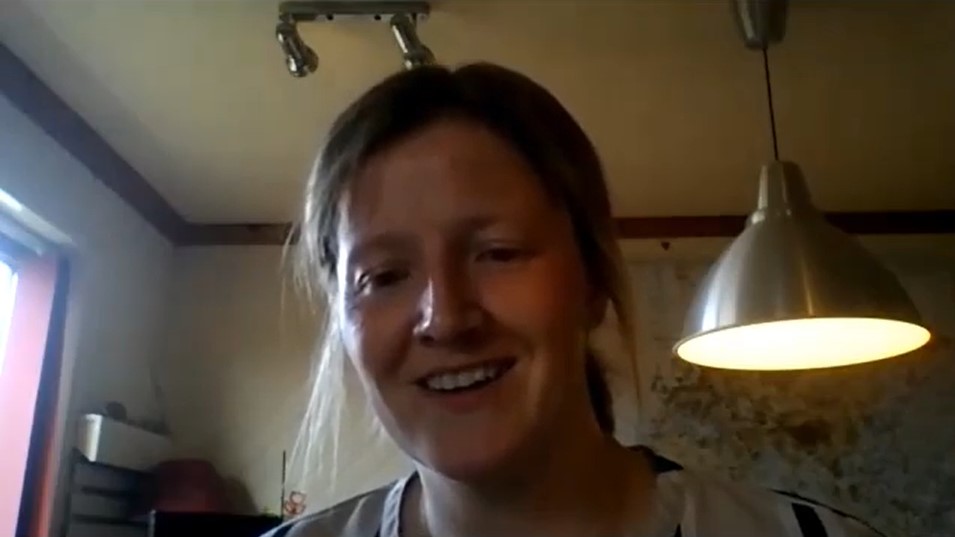
Some days after the event, Guth nan Siarach members met again on Zoom to record their thoughts, questions, and ideas after hearing Prof Ó Giollagáin’s presentation and taking part in the subsequent discussion. We’re very grateful at Guthan nan Eilean that Jane, Maggie, Christine, Catriona, and Calum were willing to share their thoughts with us.

“Mother tongue” issues are often very close to the heart, and it can take confidence, courage, and no little skill to talk about them openly and with consideration, especially when the language in question has been on the receiving end of prolonged disadvantageous treatment. It’s a privilege to hear the group talk among themselves about issues of concern. We look forward to hearing more in the near future!

We recommend finding the time to watch the full discussion. The contributions are varied, thoughtful, and expressed in good Lewis Gaelic. And thanks to the Gaelic Speech Recognition research team, we’ve added CC Gaelic subtitling, which you can turn on or off as you please – and which will also enable Google translation into other languages:

But if your time is short, you can get a taste of the meeting from these “criomagan”. (CC subtitling also available on this clip.)

And here’s Prof Ó Giollagáin’s presentation: