New Blogs on the Block

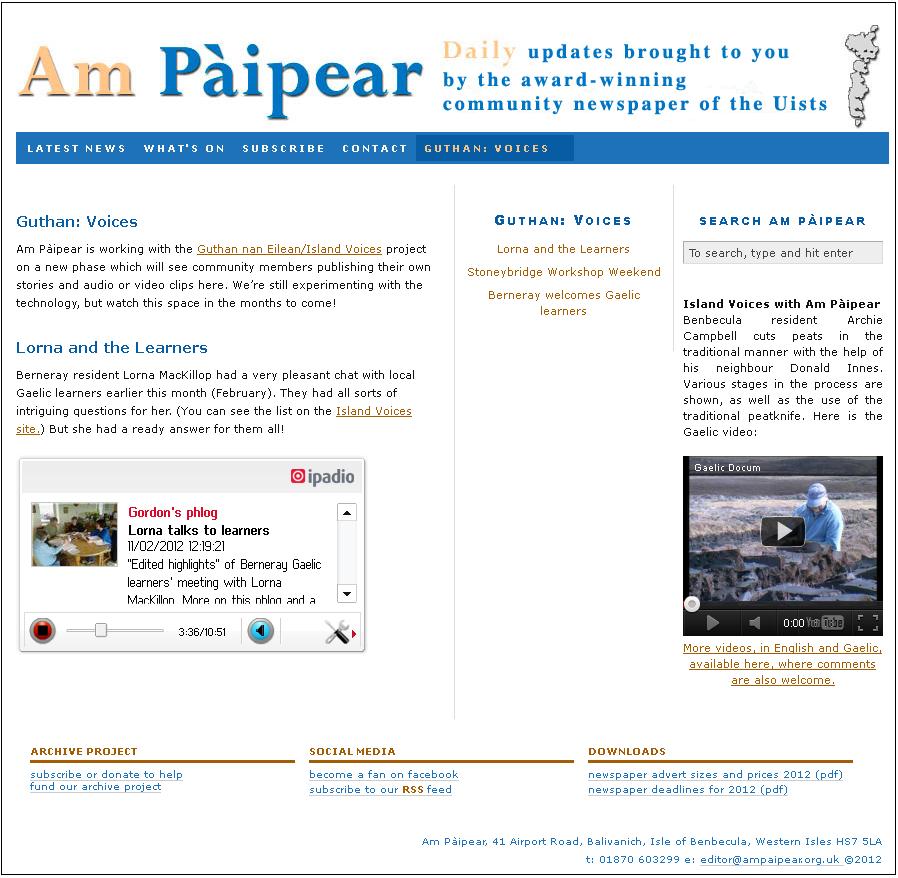
Local community voices are finding some interesting new platforms from which to make themselves heard. In addition to the recently launched Guthan/Voices page on Am Pàipear several new blogs have been started, (including audio-blogs!).
Gaelic tutor Archie Campbell started writing “Cò ach esan?” with Blogspot some months back, but has just recently started adding Ipadio phonecasts – which allows him to complement his texts with recorded speech. That’s very helpful for Gaelic learners who need to hear what the language actually sounds like.

Loriana Pauli has just started writing “From the Water’s Edge” in English on WordPress, but also including audio links from her new Ipadio channel.

And the Gaelic learners in Berneray now have a class blog, “Guthan Bheàrnaraigh”, also on WordPress. The first written contribution is by Rita Dix, on her 1985 meeting with Prince Charles.

All these “new voices” promise to provide interesting material to share – whether directly from their own sites or channelled through Am Pàipear, our local community paper. If anyone else locally would like to try out making their own contribution but is unsure how to get started, then please contact Gordon Wells on 07879 644984.

Gaelic in the Kitchen

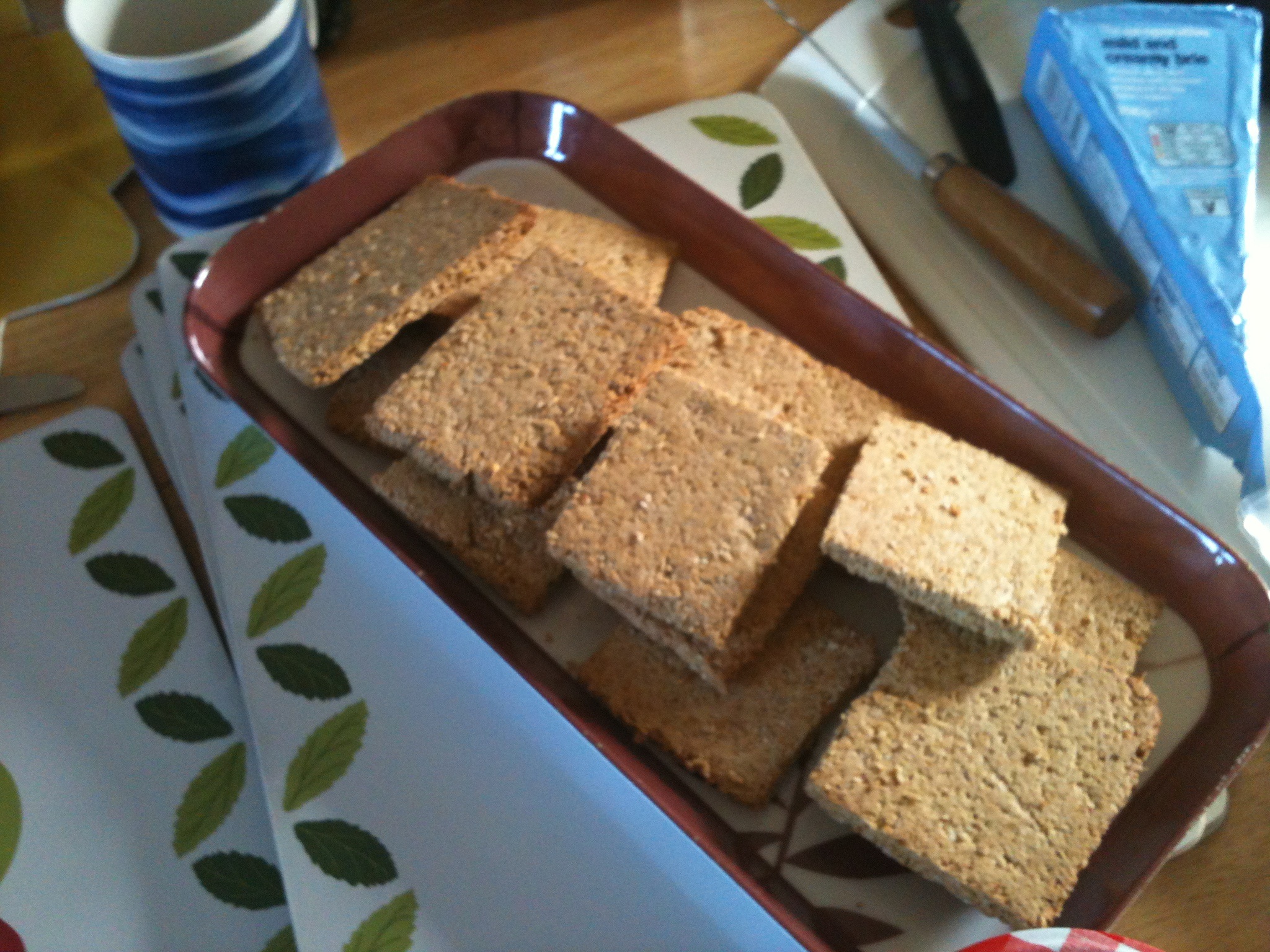
The Berneray Gaelic classes led by Alison Dix and Archie Campbell were invited into a neighbour’s house to learn how to make oatcakes in the Hebridean manner. Màiri also spoke about her lifelong connection with Berneray, as well as of her training and work experience on the mainland, and her interest in good homebaking. Getting to eat the oatcakes was an extra bonus – not to mention taking home the recipe!

This 5-minute audio recording of Màiri’s good Berneray Gaelic is overlaid with pictures snapped at the time with a mobile phone. It’s the work of a few minutes to put the two together and place the result online. Now Gaelic learners worldwide can listen again and again – perhaps while making more oatcakes in their own kitchen…

[vimeo http://www.vimeo.com/41353428 w=500&h=375]

Bilingual Community Drama

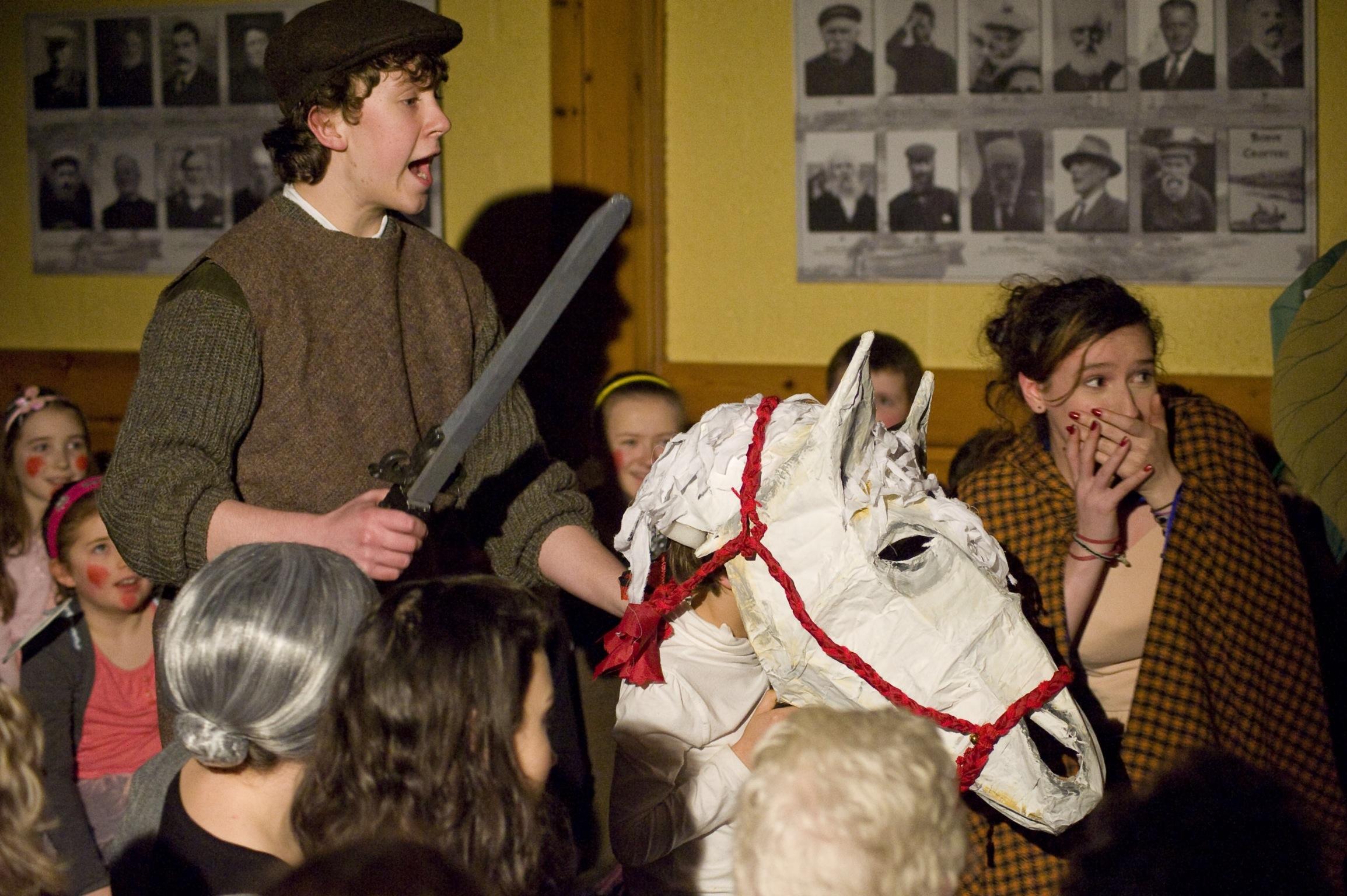
English tutor Mary Morrison and Gaelic tutor Archie Campbell put on scriptwriting hats recently in a remarkable collaboration that saw cross-community involvement in the staging of a traditional tale – Gille an Fheadain Duibh (The Lad with the Black Chanter).

The story was chosen from the Thugam agus Bhuam collection, as told by Pàdruig Moireasdan, with his own grandson (also Pàdruig) taking the central role – as well as adding to the musical accompaniment.

Here’s the programme.

Originally a Gaelic tale, the full stagescript was written bilingually, giving the option of English or Gaelic for each character – with an English “subtitling” system in place for any members of the audience who might struggle with the Gaelic sections. Could this be a model for replication elsewhere? The local group would be pleased to offer advice and encouragement to others who wish to try it out.

Mary talks here in English about how the project came about, and the high degree of community involvement (of both young and old) in all aspects of the production – dramatic, musical, and artistic.

Archie talks here in Gaelic about the challenge of writing for speech, and discusses how participating in this kind of project can be helpful for learners.

Live Demonstration

There was an encouraging turnout for last night’s meeting on “Community Voices in a Digital Age”. It started with a presentation by Gordon Wells of some of the easy-to-use online platforms that are integrated in the Guthan nan Eilean project. This included two live demonstrations of the Ipadio audio-recording function which instantaneously converts a telephoned voicemail into a webpage with sound embedded.

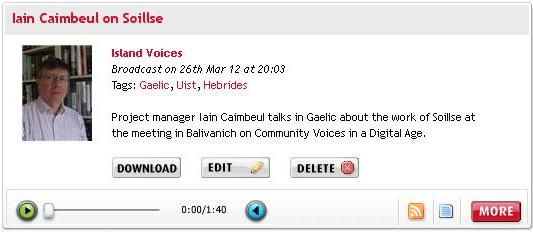
First to go was Iain Caimbeul, the project manager for the Soillse inter-university Gaelic research network, who, speaking in Gaelic, explained the main aims of the organisation and what it was keen to explore in partnership with island communities.

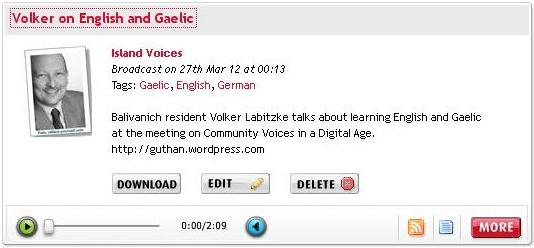
In the second test run local resident Volker Labitzke, speaking in English, compared his experiences of learning English and Gaelic, and talked about how he felt his language learning helped him to settle in his new home.

In the second half of the meeting there was open discussion of ideas for supporting language, and particularly Gaelic, development in the community. The new “Guthan: Voices” tab on the Am Pàipear website was cited as a new opportunity for “lifestyle” contributions, in writing or speech, from members of the public. Also highlighted were community drama, community lunches,  and community radio, as well as the importance of links to schools and young people, though it was noted that the use of Facebook and Twitter is by no means restricted to the younger generations! The meeting finished with Volker remarking on the enthusiasm within the group, and the desire to see some or all of the ideas mentioned taken forward as a result.

Future meetings may continue to be held in Balivanich, but there is no reason why interested parties in North or South Uist should not prefer to meet closer to their own homes. Or individuals may feel inspired to work on their own! Gordon is happy to assist in any appropriate manner, and can be reached on 07879 644984. It will be interesting to see how, if at all, engagement with the new media affects patterns of language use – a topic which Soillse is keen to explore.

Follow-up Meeting: Balivanich

The “Local Language Patterns” meeting on 6th March generated a lot of ideas for discussion. A common theme that emerged was the sheer amount of mainly voluntary activity that goes on in the community that supports our linguistic diversity.  This is a tremendous resource for language learners who successfully develop social networks outside the classroom walls. Particular mention was made of a recent community drama in North Uist, and the fortnightly Grimsay lunches, where both languages are welcome and actively used. In fact, there was more to say than there was proper time for! As a result, a follow-up meeting has been set up:

“Community Voices in a Digital Age”

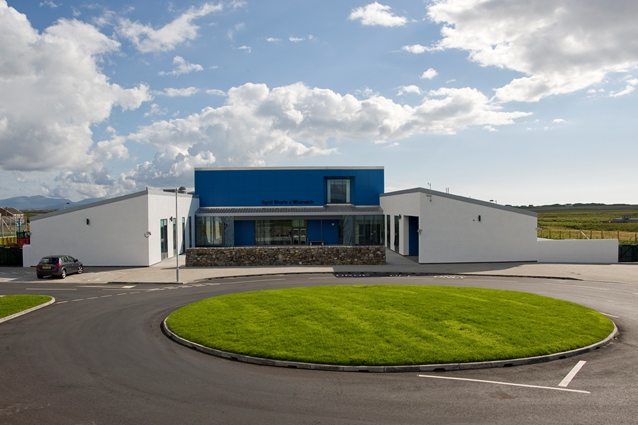
Balivanich School

Monday 26th March, 7.30pm

More ideas are sought at this follow-up meeting at which the new “Guthan: Voices” page on the Am Pàipear website will also be introduced and demonstrated, using the fantastic facilities at Balivanich School. An open invitation is again extended to any interested community member to come along. Please advise Gordon Wells beforehand on 07879 644984. A rough idea of numbers will help with preparing teas and coffees!

Sing! Sing! Sing! Seinn! Seinn! Seinn!

Nuair a chleachdas sinn cànan cha bhi sinn daonnan ga bhruidhinn no ga sgrìobhadh. Uaireannan bidh sinn ga sheinn! Ma tha sgeulachd, bàrdachd, no òran agaibh, no aig caraid, nach cuir sibh thugainn e gus an tèid againn uile air a leughadh no a chluinntinn air làrach Pàipear Uibhist? Seo eisimpleir eile dhuibh.

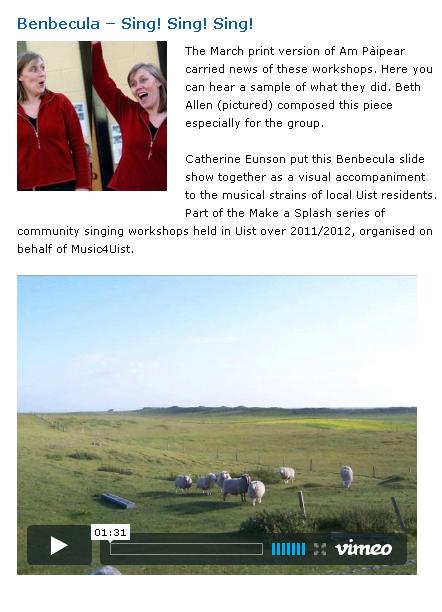
Let’s not forget that a language can be sung, as well as spoken or written. Local Uist residents have been enjoying a series of community singing workshops recently, and sampling some new languages while doing so, including Finnish and Japanese as well as English and Gaelic. And local organiser Catherine Eunson has put together this short movie for Am Pàipear using one of the workshop songs as the soundtrack. See what you can do just with a series of still photographs!

Song, speech, or text. Still or moving pictures – or none at all. Just let us know if you would like to add to our Community Voices in Am Pàipear.

Community Voices

The Island Voices project is moving into a new “grassroots” phase now. We aim to encourage community members to create their own pieces of work – whether in video, audio, or written texts. Help will be available, either with the language or the technology, to get you started, but it’s your stories, or conversations, or songs, or even movies that the rest of the community would like to hear or see. And with Am Pàipear on board we will have a local outlet for your work, ready and willing to reflect our community lifestyles.

Here’s a Gaelic example. Just click on the graphic below to see what kind of thing we have in mind.

Bear in mind that this is a bilingual project. So English is also welcome, though we’ll try to keep a balance between the languages. If you would like to know more about the project, please get in touch through Cothrom or Am Pàipear, or directly with Gordon Wells on 07879 644984.

Lorna and the Learners

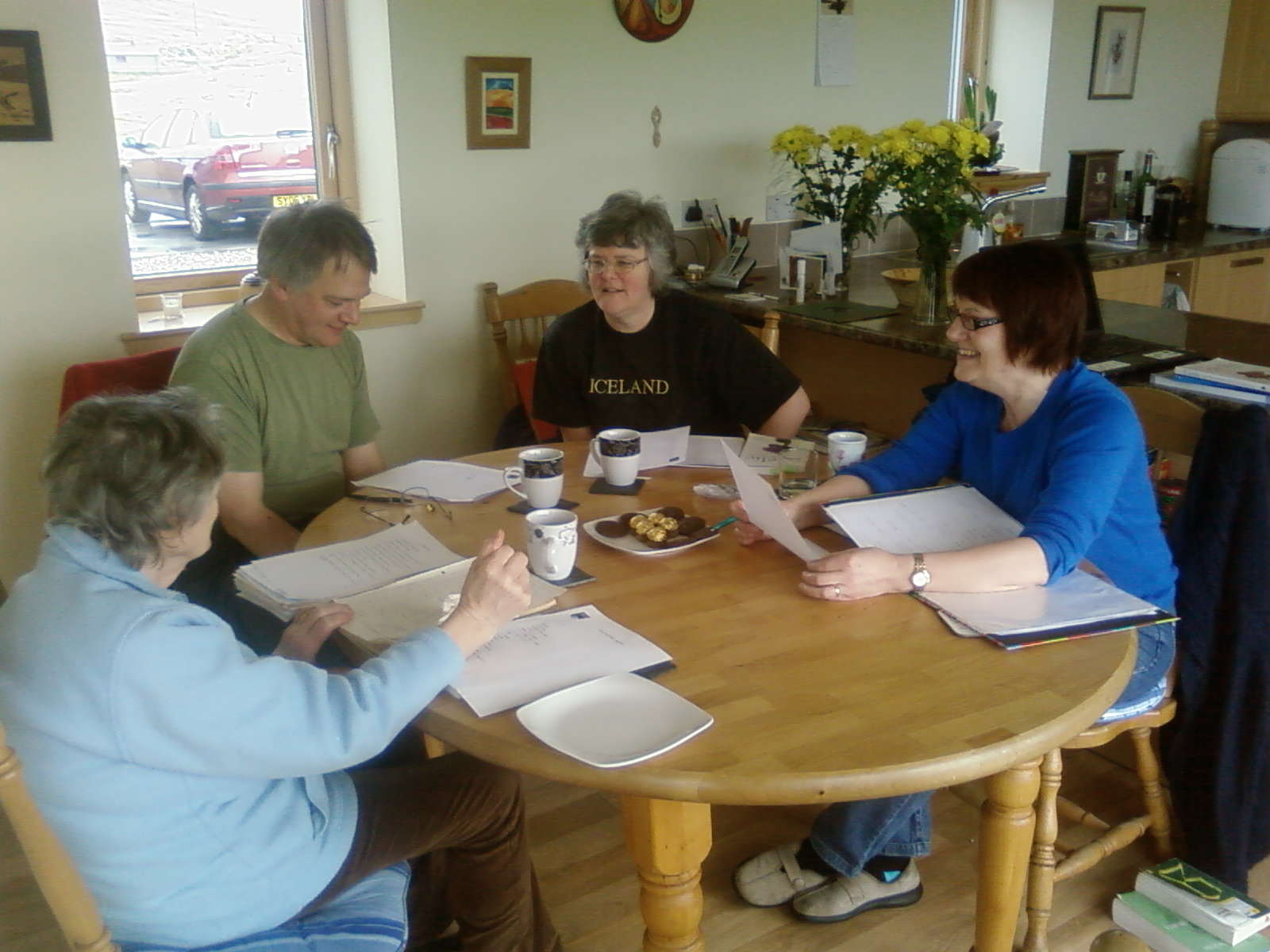
Community Gaelic classes continue to meet in Berneray. One group is led by Alison Dix, and they are keen to meet and talk with local residents who are fluent speakers. Below you can hear edited highlights of a conversation held with Lorna MacKillop. The learners prepared thoroughly for the meeting by drawing up a list of questions to ask Lorna. The list of questions is here: Ceistean airson Lorna.

With Lorna’s agreement they then recorded their conversation. This has provided them with a lot of listening material for subsequent lessons, as they will be able to go over every aspect of the chat they had. The recording posted here gives just a taste of Lorna’s beautiful Berneray Gaelic, and the treats in store for the learners in the weeks ahead. Click on the image below to hear the conversation.

(Classes organised by CE Bheàrnaraigh with support from Bòrd na Gàidhlig’s scheme for Taic Freumhan Coimhearsnachd.)

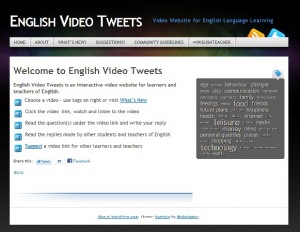
English Video Tweets

‘S e làrach-lìn ùr a th’ ann an “English Video Tweets” a tha ag amas air cuideachadh a thoirt do luchd-ionnsachaidh na Beurla. Air an làrach seo gheibhear ceanglaichean do bhidiothan air-loidhne a chaidh a dhèanamh airson luchd-ionnsachaidh. Tha fear no dhà ann cuideachd a chaidh a dhèanamh le luchd-ionnsachaidh fhèin – “Kallin Shellfish” nam measg.

The “English Video Tweets” website is a portal to a large and still growing collection of videos for learners of English. Some student projects are included in the collection, including “Kallin Shellfish”.

Movie Maker? Dèan fhèin e!

Seo eisimpleir eile dhen t-seòrsa rud a b’ urrainn dhuinn dèanamh – ma thèid againn air an obair a tha sinn air a bhith a’ leasachadh a thoirt air adhart chun na h-ath ìre.

Bha clas airson luchd-ionnsachaidh na Beurla aig Cothrom o chionn bliadhna no dhà. Agus chuir iad romhpa fhèin pròiseact sònraichte a choileanadh – film goirid a dhèanamh a bhiodh a’ sealltainn na h-obrach a bha iad ris, agus an dòigh beatha a bh’ aca sna h-eileanan.

Abair deagh eacarsaich a bh’ ann airson cànan ionnsachadh! An toiseach bha aca ri deasbad agus aontachadh dè na seallaidhean a bha iad ag iarraidh san stòiridh: am bàta-aiseig, beathaichean, eunlaith, muir is tìr, na h-àiteachan far an robh iad a’ fuireach agus ag obair, agus gu sònraichte na diofar rudan a bhiodh iad a’ dèanamh nan obair làitheil.

An uair sin thug sinn camara dhaibh airson na dealbhan sin a thogail. As dèidh sin bha aca ri na dealbhan a chur ann an òrdugh, a’ cleachdadh Windows Movie Maker. Obair caran teicnigeach a bha sin, ach rinn iad fhèin an gnothach air (ag ionnsachadh sgilean ùra IT aig an aon àm ’s a bha iad ag ionnsachadh a’ chànain).

Agus an uair sin, ’s iad fhèin a sgrìobh an aithris a rachadh leis na dealbhan (le cuideachadh an siud ’s an seo bhon luchd-teagaisg). Agus a-rithis, ’s iad fhèin a chlàraich an guthan a’ toirt seachad na h-aithris, le ceòl ann cuideachd bho oileanaich sa cholaiste ionadail.

Obair mhòr a rinn iad, a thug orra an cànan a chleachdadh ann an suidheachaidhean ùra, agus a thug misneachd dhaibh leis cho soirbheachail ’s a bha iad aig an deireadh.

Nis, ma thèid aig luchd-ionnsachaidh na Beurla air rudeigin mar sin a dhèanamh, a bheil adhbhar sam bith nach gabhadh rudeigin coltach ris dèanamh sa Ghàidhig – le luchd-ionnsachaidh no fileantaich? Sin an rud a tha sinn airson fheuchainn – a’ gabhail ris aig an aon àm gum bi feadhainn ann a bhiodh airson tòiseachadh le audio a-mhàin, ’s dòcha, no sgrìobhadh. Tha Am Pàipear air duais eile fhaighinn am bliadhna. Nach e bhiodh math stuthan ioma-mheadhan bhon choimhearsnachd a chur air an làrach spaideil aca!

Seo am film a rinn iad:

[youtube=http://www.youtube.com/watch?v=cPXPmHSIR0U&w=425&h=349]

Transcript

English summary

This was a project for English language learners from Poland and Latvia who wanted to make a film about their life and work here in the Hebrides.

First of all they had to agree the contents of the film, and what sort of pictures they wanted – scenery, animal life, the places where they lived and worked, and particularly the different things their work involved. Then they borrowed the camera to take the pictures. After that they edited a picture sequence together using Windows Movie Maker, simultaneously developing IT and language skills.

Finally, the learners themselves scripted the voiceover commentary (with some help from teachers) and recorded the narration. All in all, it was a very fruitful learning process which helped to build the learners’ confidence in using the language in new situations.

It’s this kind of work we want to develop bilingually in the next stage of the Island Voices project – recognising also that, for some, audio recording or written work will be a more comfortable jumping off point. Am Pàipear is Community Newspaper of the Year again. Wouldn’t it be good to see multimedia materials from the community on their site!