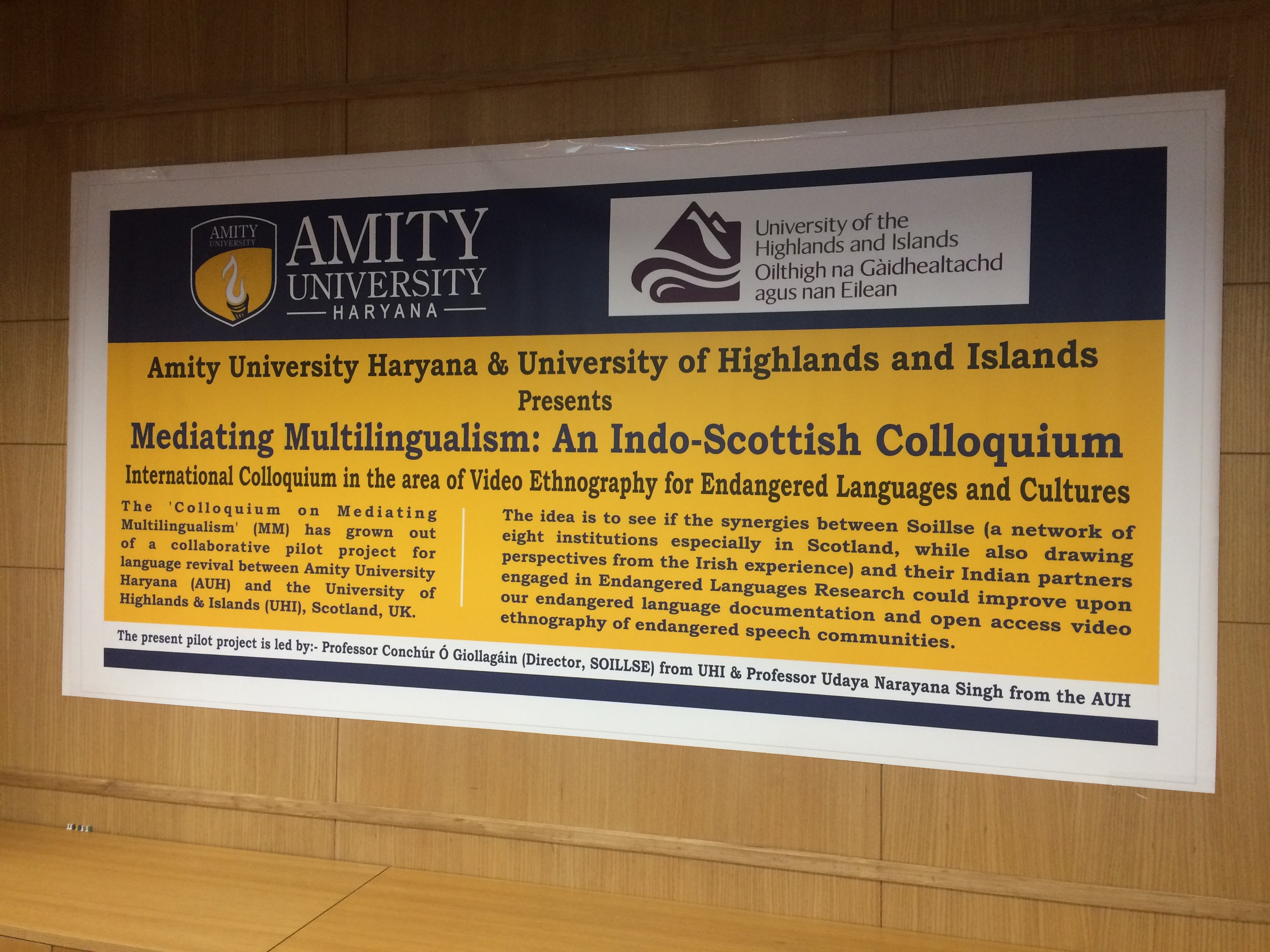
Mediating Multilingualism: Video Documentation

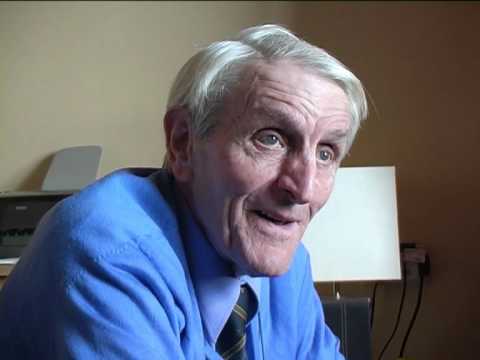
“So, tha cunnart ann a bhith a’ dèiligeadh le aon chànan a-mhàin… Ma tha cànain eile agad tha an saoghal a’ sìor leudachadh a-muigh, agus faodaidh tu roghainn a dhèanamh, faodaidh tu deagh thaghadh a dhèanamh.”

(“So there’s a danger in dealing with only one language… If you have other languages the world keeps widening out, and you can make choices, you can make good choices.”)

This extract from Saoghal Thormoid, particularly in keeping with the theme of the Indo-Scottish colloquium at Amity University Haryana, was used as the final example in Gordon Wells’s second presentation, in which he was invited to speak on aspects of Video Documentation in an ethnographic context.

The PDF of the presentation, with live links to further exemplifying material is available here.

Island Voices in India

As part of the “Mediating Multilingualism” colloquium held at Amity University Haryana, Gordon Wells was invited to speak about Island Voices. Here are his introductory remarks:

“Latha math, a chàirdean. Tha e na urram dhomh a bhith a’ bruidhinn ribh aig a’ choinneamh an seo, agus tha mi airson taing mhòr a thoirt dhan fheadhainn a rinn obair mhòr airson a cur air dòigh. Agus tha mi gu math dòchasach gum bi deagh chòmhradh againn thairis air an dà latha a tha romhainn.

Much as I would love to continue speaking in my mother’s Mother Tongue for the next half hour, I suppose I should switch to our shared Other Tongue for the purposes of EFFECTIVE communication across languages, with some regret if the communication loses some of its AFFECTIVE power through not being delivered in what my mother claimed to be the “Language of Eden”! (I was just saying it’s an honour to be here, and we’re very grateful to our Amity colleagues for all the preparatory work to set this colloquium up.)

I plan to outline the development of the project over the last 10 to 12 year period, give an overview of its component parts, and generally talk about how it works. It’s a project that was designed and developed to meet a particular geographical and linguistic need. Whether any of its elements may be open to transfer or adaptation to other contexts is an open question, which I would hope we may be able to discuss in due course.

इसके ऊपर मैं यह भी कहना चाहता हूं कि, हमारी तरफ़ से, हम जानते हैं कि भारत एक बहु-भाषीय देश है जहां बहुत बहुत अलग अलग भाषाएं साथ-साथ चलती रहती हैं, और हमें उमीद है कि दोनों भी तरफ़ से हम एक दूसरे से कुछ न कुछ नयी जानकारी सीख सकें जिस का इस्तेमाल हम, आगे बढ़के, अपनी ही स्थितियों में, कर सकें.

In the UK, and perhaps also Ireland, recognition and acceptance of multilingualism in culture and society is an ongoing challenge. How India handles these issues on a much wider scale is of keen interest to us.”

And here’s a PDF of the presentation:

Talking with Magaidh Smith

Facebook turns up gems sometimes! A reply to a post in the “Scottish Gaelic Speakers Unite!” group led Gordon Wells to uncover a new (to him) Gaelic treasure trove – the online world of Magaidh Smith. Old classmates from the early days of Ceòlas, they met again this week, this time in Glasgow, when Gordon was able to quiz Magaidh on what she’s been up to in more recent years, including traditional tales, drama, poetry and local history. She’s not been idle!

Clearly, Magaidh’s work chimes nicely with the Guthan nan Eilean orientation towards capturing local voices and providing them with a wider platform. We’ll be watching this space closely!

http://www.magaidhsmith.co.uk/

In the meantime here’s a table of Magaidh’s Soundcloud recordings of stories from local Lewis tradition.

Story Description Links
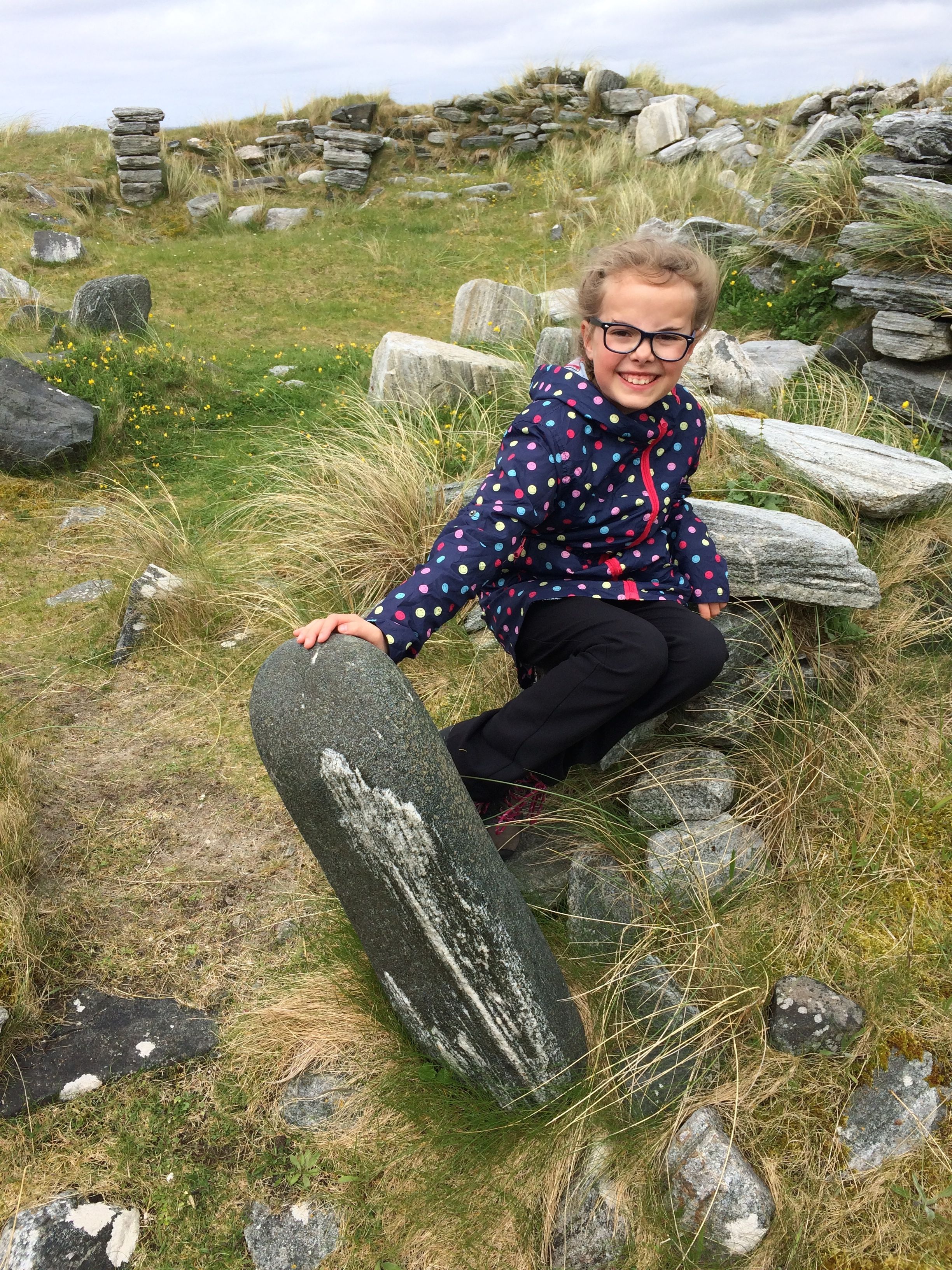
S daor a cheannaich mi fiadhachd MacAulay men at Loch Langabhat and the landmark Clach Bhess Magaidh’s blog post
Soundcloud
An Seann Fhiadh Deer hunting at Loch Langabhat on the border of Lewis and Harris in days gone by. Who was the wee wizen man? Soundcloud
Fir Mhealista Mealista men who went to gather a cargo of wood for roof timbers. A love story and what is extant of a dream song. Soundcloud
Sabaist Mhor Wick Circa 1870 when the herring fishing was booming a large number of fishing boats were in Wick Harbour when a fight broke out. This account includes details of men from Lochs who were in the fracas. Soundcloud
Ishbal Nighean Dhomhaill Ban The love Story of Ishbal nighean Dhomhnaill Ban an t-Struim who herded the cattle in Uig and Calum MacAmhlaigh from Harris. Magaidh’s blog post
Soundcloud

STOP PRESS UPDATE – 15/04/19. Island Voices now has a Magaidh Smith page with a full collection of her online recordings, all supplemented with Clilstore transcripts. Check it out!


Island Voices MOOT

People sometimes ask what kind of project Island Voices is. There’s no one simple answer to that question, as there are various ways of thinking about it. Here’s a new one for 2019, which actually raises another question for our followers. Any answers or comments welcome!
You’ve heard of the MOOC (Massive Open Online Course). Well, Island Voices, while being a fundamentally educational online project, doesn’t do “courses”. We don’t take anyone step by step from A all the way to Z in a pre-determined order. The learning we aim to help is “resource-based” – we put material online for anyone to browse or sample or use in any way they see fit. That means it’s up to the learner to think about and shape their own learning path. This can seem scary or off-putting for some, particularly in the beginning stages of language learning, while others may find it liberating and empowering, especially when they’ve already got past the preliminary steps. Obviously, we would hope that we can help move folk from the first camp into the second.

Also, while we started out from a language teaching perspective, our interest is wider than simply helping people to learn Gaelic, or English (or any other language), irrespective of how they might subsequently use it. We’ve always tried to present the “bits of language” that we place online in the real-life context of the community in which they were recorded. We try to recognise, record, and represent the social factors at play which influence the linguistic decisions people make when a range of different language choices is at hand. That’s partly why, alongside the several pages of video and audio clips plus transcripts on our site, there’s an additional page for research and reports which attempt to tease out some of the wider issues, for example around bilingualism or biliteracy, which are not necessarily immediately clear if you’re approaching from a different or narrower language background or perspective. This may mean re-thinking some pretty fundamental concepts, even around what we understand by a term such as “language” or “languages”. These are questions which may be quite as meaningful for language teachers or mentors (and perhaps planners and policy makers) as for learners themselves.

Further, we do not claim some higher teacher’s authority that pours knowledge into the “empty vessel” heads of our visitors/followers/learners. We can never present a more than partial picture of the communicative community on which we focus. We make no promises not to leave you with as many questions as you started with – perhaps more – though we’d hope some at least will be newly formulated!

So, instead of trying to think of Island Voices as some kind of “course”, perhaps a more appropriate model might be a “teach-in” – which is “practical, participatory, and oriented toward action” and where “discussion and questions from the audience are welcome”. Wikipedia tells us that this concept has a radical political background. Well, that’s no disqualification! In a current UK climate in which language teaching of any kind (including of English!) is making difficult headway, and support for bi- or multi-lingualism is struggling to gain traction, we may be well advised to open ourselves up to more lateral thinking, and to be prepared to consider outwardly counter-intuitive solutions. And the Hebrides may be as good a place to start as any, perhaps better than most!

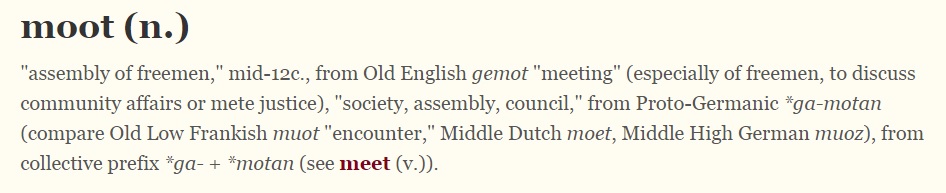
So let’s forget about an Island Voices MOOC. What we offer is a “Multilingual (or perhaps Massive/Medium-sized/Mini) Open Online Teach-in” – the Island Voices MOOT! Etymonline tells us the word has a long history connoting free assembly to discuss community affairs. What could be more appropriate, especially when you consider the Gaelic word Mòd stems from the same root, and was long ago used to denote a parliament or congress, dating from the Lordship of the Isles!

Our source materials, to which we shall continue to add, are already placed before you on WordPress, Clilstore, and YouTube, and we know that plenty of folk have already put them to good use without further prompting. Hopefully, our Facebook and Twitter channels will keep on pulling in new visitors too. But here’s the question: should we also aim to create a new “teach-in” space? This could be a dedicated online forum where MOOT participants can raise questions and debate points around language learning and language use, informed by their interactions with, and reactions to, Island Voices materials of all kinds – video, audio, transcripts, articles, papers etc. Or is the comment facility we already have on WordPress adequate as it stands? Is there a danger a new forum would detract from other online fora and/or Facebook discussion groups? Comments here please (or on Facebook/Twitter)!
Reading Island Voices – Aloud!

The “Reading Aloud in Britain Today” (RABiT) project is run by Dr Sam Duncan, a teacher, researcher and teacher educator working in adult literacy studies at the UCL Institute of Education in London.

The project is a two-year study which aims to capture the contemporary reading aloud practices of as many different adults as possible across Scotland, England and Wales, and to reach “people of all different ages, genders, ethnicities, faiths, cultural, educational and language backgrounds, in both urban and rural locations”.

Sam organised a symposium on 17th November as a part of her project, with the title “Everyday Reading: Explorations of Literacy and Oracy”.

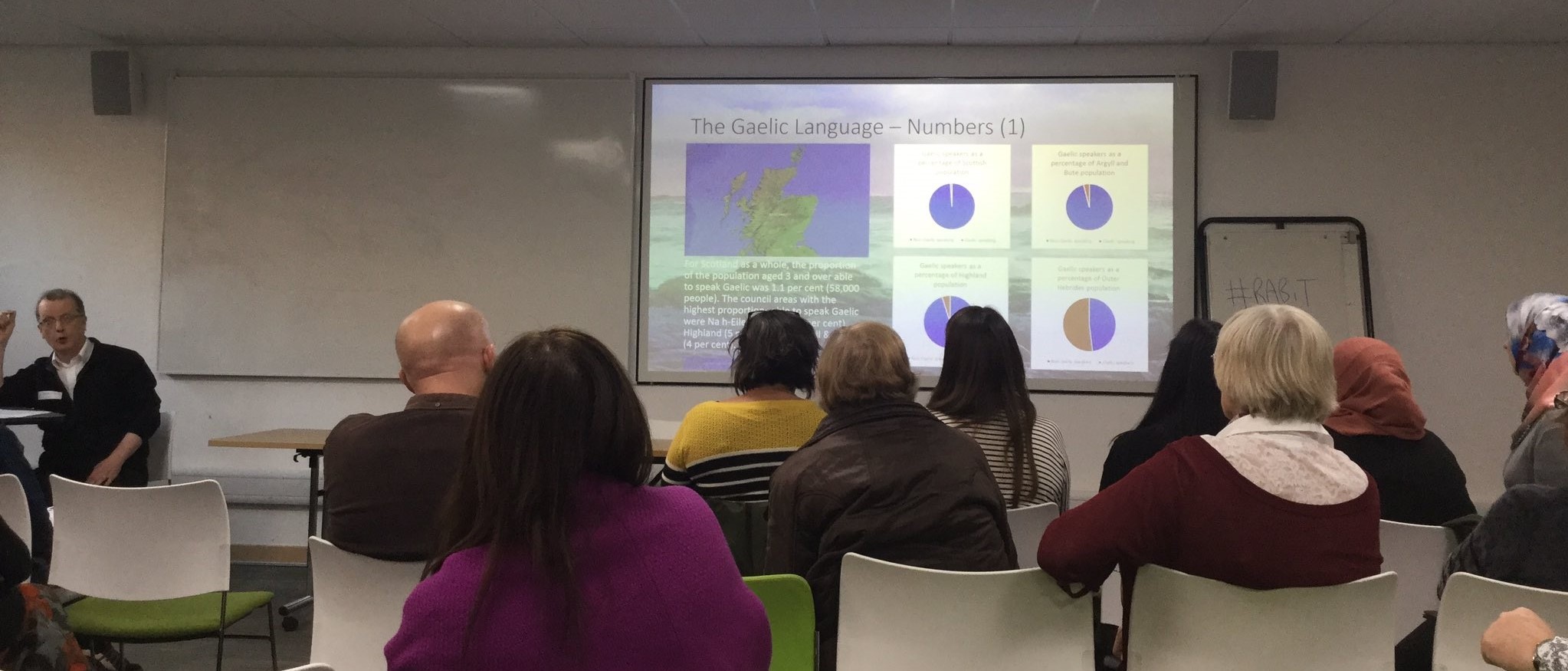
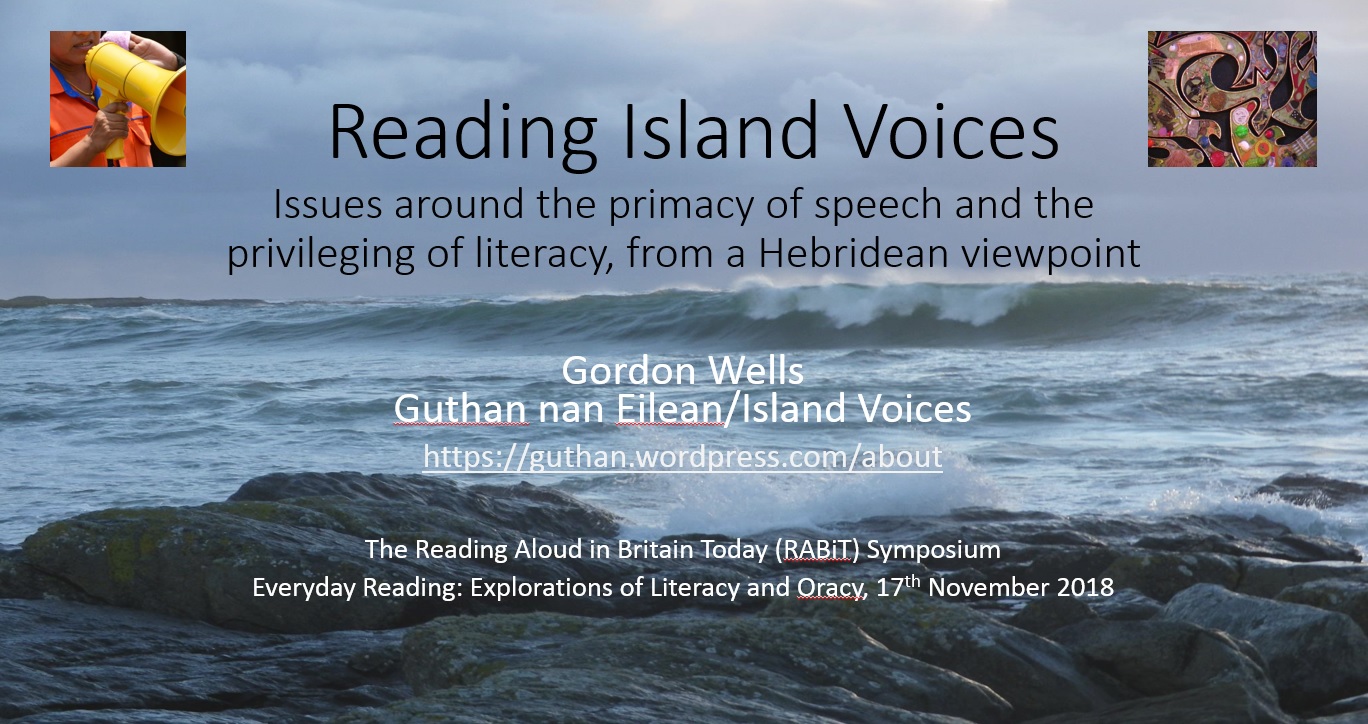
In a gathering of researchers and educators from around the country, Gordon Wells was delighted to get the opportunity to speak about the Island Voices project, and its own approach to speech and writing and the uses made of Reading Aloud. Gordon’s subject was “Reading Island Voices: Issues around the Primacy of Speech and the Privileging of Literacy, from a Hebridean Viewpoint”. You can read the script of his talk here.

It’s probably best to read it online so you can make use of the embedded links and clickable screenshots to supporting video clips and other webpages. There are also some added footnotes with further information and references.

It’s not a long document, but if you’ve only got time for a short browse these Powerpoint presentation slides may give you a quick impression of the ideas covered. If you find them interesting, then do try and find the time to return and read through the talk to see how the ideas are linked.

It’s been a long time since Gordon made a work journey in the UK so far from his own geographical centre, and he was pleased to find a strong level of interest in Island Voices in such a remote location! Finally meeting up with David Mallows, the editor of Innovations in English Language Teaching for Migrants and Refugees (which contains a chapter on Island Voices), among the other innovative thinkers present in Applied Linguistic, Language Education, and related fields, was an added bonus.

Nach math gu bheil ùidh aig daoine eile anns na tha sinn a’ dèanamh!

Reading Aloud Symposium

Island Voices will be involved in some “remote outreach” work next month, when Gordon Wells speaks at this symposium at the UCL Institute of Education in London. This kind invitation follows the visit of Sam Duncan, the co-ordinator of the Reading Aloud in Britain Today project, to the Hebrides as part of her research work.

The notice below gives details of all speakers and how to book a place.

(There is an option of registering on a waiting list in the event of all places being taken).


Saturday 17th November 2018

The Reading Aloud in Britain Today (RABiT) Symposium

Everyday Reading: Explorations of Literacy and Oracy


Please join us at the UCL Institute of Education (London) for a day of presentations and discussion examining forms of reading aloud, everyday reading and relationships between literacy and oracy, in and out of the classroom.

We are delighted to welcome:

Andrey Rosowsky (University of Sheffield) Heavenly Reading – the oral/aural nature of reading sacred texts

Catherine Sadler (University of Hull) Reading aloud and poetry

Gordon Wells (Co-ordinator of the Island Voices/Guthan nan Eilean online community project) Reading Island Voices: Issues around the primacy of speech and the privileging of literacy, from a Hebridean viewpoint.

Jenny Hartley (Emeritus Professor Roehampton University and co-founder of Prison Reading Groups) Twenty Years Behind Bars: Reading Aloud in Prison Reading Groups

Jo Westbrook, Julia Sutherland & Jane Oakhill (University of Sussex) Faster, immersive reading of whole texts

Kevin Harvey (School of English, the University of Nottingham) & Susan Jones (School of Education, the University of Nottingham) Whose meaning is it anyway? The communal construction of meaning in shared reading groups

Lionel Warner (University of Reading) Reading Aloud in the high school: why do they keep doing it?

Maxine Burton (freelance scholar) Reading Aloud in 19th century England: some evidence from Victorian fiction

Russell Aldersson (City Literary Institute) Re-thinking “aloud” in the context of sign language users 

Sue Walters (UCL Institute of Education) Reading as recitation in faith school settings:  Issues for learning and teaching

Victoria Watkins (UCL Institute of Education) Reading Year 7 and Year 12 Reading Partnerships

And an update from the Reading Aloud in Britain Today (RABiT) project.

Please come along and join the discussion. The day will start at 1030am and close at 5pm. Lunch and refreshments provided. This day is free but places are limited. Please register using this linkhttps://www.eventbrite.com/e/rabit-symposium-tickets-50262193574 If the event is showing up as full, please email Sam on sam.duncan@ucl.ac.uk to join a waiting list.

Looking forward to seeing you there!

“Cearcall a’ Chuain”

Island Voices activist, Mary Morrison, has launched another fascinating project with Comann Eachdraidh Uibhist a Tuath, The North Uist Historical Society, (with Berneray and Grimsay). The Island Voices project is delighted to host some very young film-makers’ work on our YouTube channel. Mary explains:

“Have we found the Great Auk Stone?”

“This bilingual film was planned, devised, filmed, edited and photographed by the Junior Section of our Historical Society, Comann Eachdraidh na h-Oige, forty children from P4-7 of Sgoil Uibhist a Tuath over the Summer Term of 2017. The final editing and translation was the work of Anna Black, the film technician trained by St Andrews ‘Smart History’ group, under the direction of Dr Alan Miller, and given invaluable technical support thereafter from local artist, Peter Ferguson.

We are very grateful to the Heritage Lottery Fund, ‘Stories, Stones and Bones’ for funding this elaborate project, since it relied heavily on our team of outreach volunteers, working alongside the very helpful and tolerant teachers in the school. Each of the six township groups, having chosen a specialist area of maritime history to research, also chose a secret landmark from their area. The film was devised as a form of treasure hunt to be explored, either to test residents’ local knowledge, or to encourage tourists to explore the island.

It is intended to follow this up with a paper map, charting the places of interest the children chose to photograph, plotted as six different walks. It also might be possible in future to download each section of the film as an app if our mobile signals improve or we obtain funding for a set of geo-caches?

As well as this film, we have kept all the longer oral history interviews in rough edit form. The children elicited so much of interest from the tradition bearers they chose to invite, using their preplanned, shared group questioning. We feel the excellence of the work they have done deserves to be captured here in its own right.

As you survey this stream, DO REMEMBER THAT THIS IS THE WORK OF CHILDREN AGED 9 – 12!”

Looking Back on Island Voices

Series 1 of the Island Voices videos first came out on DVD in 2007. The project has grown a lot since then in various ways. Everything is now online (instead of DVD); Series 2 (Outdoors, Generations, Enterprise) added greatly to the number of videos created by project staff; and community members and groups have got involved in creating learning materials themselves. Perhaps the one thing that hasn’t changed is that the greatest emphasis is still placed on trying to base any recordings that come out of the project on real island life. That can still be seen even in the latest series “Sgeulachdan Thormoid” and “Saoghal Thormoid”, in which the project recorded stories and conversations from Norman Maclean in his final years, after he’d settled back in Uist.

Support for learners

Island Voices started (with help from the European Union) as a scheme for giving simple support in using new technology to learners and teachers. So, from the start the project has been about developing skills in community members in creating and sharing learning materials. As there generally tends to be more material for beginners (particularly in Gaelic) than there is for people who want to progress on to fluency, the project placed an emphasis on more advanced materials – with a mixture of documentary clips and interviews with community members speaking naturally. That’s the kind of material available in Series 1 and 2, with additional support available through Clilstore which gives you an online transcript alongside the film itself.

Made by the community

After those series, the project changed its way of working. It wasn’t project staff who created the new materials, but community members themselves. You can see examples on the “Bonnie Prince Charlie” or “The Great War” pages – series that were created in collaboration with Stòras Uibhist and Comann Eachdraidh Uibhist a Tuath – in which people like Tommy MacDonald, Mary Morrison and others made their own recordings for sharing on the project website. In this way the project obtained new stories at a level even closer to the community, and new people got a chance to get involved in the work and to develop skills.

Social media and other languages

The project started online on WordPress (for a central website) and YouTube (for the films). But then the Facebook page was added, to help with sharing information about what was happening in the project and in the community. There is also a Twitter account, and overall there are well over 3,000 followers now, who are spread across the world. From the beginning the project worked bilingually with English and Gaelic. But as things have grown and developed, other languages have appeared, such as Irish, Welsh, Basque and others. Once people start learning a new language, they may naturally develop an interest in bilingualism, and how you can use different languages together.

Norman Maclean

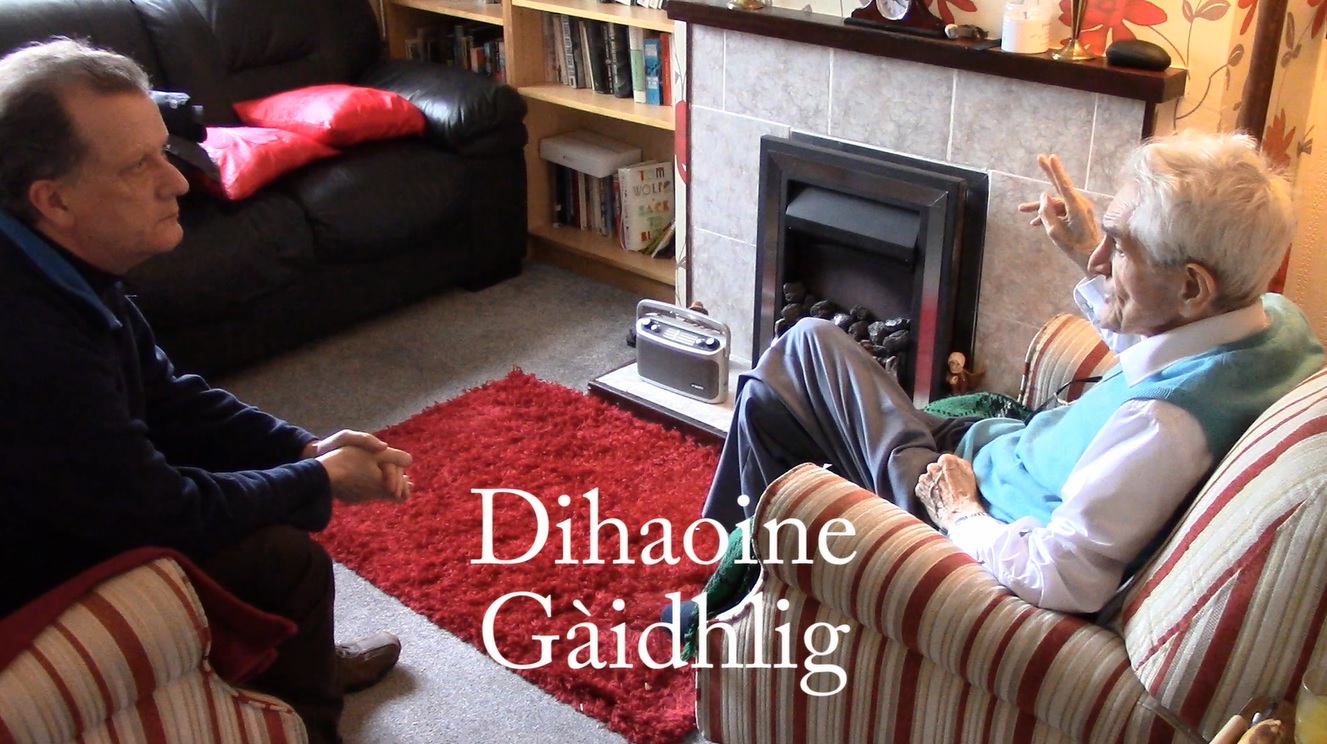
Perhaps Norman Maclean was among the quickest to appreciate this, and he was also one of the readiest people to record Gaelic stories and other materials. After returning to Uist he did some pieces for Series 2 to begin with. He also got involved in the Storytellers and Great War pages. But his “pièces de résistance” were the series he made towards the end of his life. The project was very fortunate to get the opportunity to record his voice while he still had the ability to tell his own stories in his own style (“Sgeulachdan Thormoid”), and then to relate his thoughts and memories of Gaelic life in Glasgow and the Islands in a collection of long conversations (“Saoghal Thormoid”). All these recordings are now available on the website under the title “Dìleab Thormoid”. There can be no doubt that this is a very special resource that will keep advanced learners and other researchers very busy in the years to come.

Natural spoken language

Although Island Voices was established for the benefit of learners, it has always sought to capture and curate the natural language of people in the community. Emphasis was placed on Gaelic – or English – as it is spoken, though there is also written support for those who wish it or may find it useful. In this way project users get a taste not just of the languages and how they are really used today, but also of the local island way of life in the multilingual, multicultural world in which we all live.

Coimhead air ais air Guthan nan Eilean

Tha 10 bliadhna air a dhol seachad on a thàinig Sreath 1 dhe na bhideothan aig Guthan nan Eilean a-mach air DVD. Tha am pròiseact air fàs gu mòr on uair sin ann an diofar dhòighean. Tha a h-uile rud air-loidhne a-nis (seach air DVD); chuir Sreath 2 (Outdoors, Generations, Enterprise) gu mòr ris an uiread de bhideothan air an dèanamh le luchd-obrach a’ phròiseict; agus tha muinntir nan eilean agus buidhnean sa choimhearsnachd air a dhol an-sàs ann an stuthan ionnsachaidh a chruthachadh dhaibh fhèin. ’S dòcha gur e an aon rud nach eil air atharrachadh gu bheil an cuideam as truime fhathast ga chur air feuchainn ri clàradh Gàidhlig sam bith a thig a-mach às a’ phròiseict a stèidheachadh air beatha nan Gàidheal anns na h-eileanan. Gabhaidh sin fhaicinn fiù ’s sna sreathan às ùire – “Sgeulachdan Thormoid” agus “Saoghal Thormoid” anns an d’ fhuair am pròiseact stòiridhean agus còmhraidhean le Tormod MacGill-Eain san dà bhliadhna mu dheireadh, agus e air seatlaigeadh air ais ann an Uibhist.

Taic do luchd-ionnsachaidh

Thòisich Guthan nan Eilean (le taic bhon Aonadh Eòrpach) mar sgeama airson taic shìmplidh a thoirt do luchd-teagaisg agus do luchd-ionnsachaidh le bhith a’ cleachdadh teicneòlas ùr. Mar sin, bho thùs tha am pròiseact air a bhith airson comasan a leasachadh measg dhaoine sa choimhearsnachd ann a bhith a’ cruthachadh agus a’ sgaoileadh stuthan ionnsachaidh. Leis gu bheil barrachd stuth ann airson luchd-tòiseachaidh, san fharsaingeachd, na tha airson daoine a tha airson cumail orra gu fileantas, chuir am pròiseact cuideam air stuthan aig ìre caran nas àirde na an àbhaist – le measgachadh de phrògraman aithriseach, agus agallamhan le daoine sa choimhearsnachd a’ bruidhinn gu nàdarra. ’S e sin an seòrsa rud a tha ri fhaotainn ann an Sreathan 1 agus 2, le taic a bharrachd ann tro Chlilstore a bheir dhut an tar-sgrìobhadh air-loidhne cuide ris an fhilm fhèin.

Air an dèanamh leis a’ choimhearsnachd

An dèidh na sreathan sin, dh’atharraich an dòigh-obrach sa phròiseact. Chan e an luchd-obrach a chruthaich na stuthan ùra, ach daoine sa choimhearsnachd fhèin. Chìthear sin, mar eisimpleir, air na duilleagan “The Great War” no “Bonnie Prince Charlie”, sreathan a chaidh a dhèanamh ann an co-obrachadh le Comann Eachdraidh Uibhist a Tuath agus Stòras Uibhist, far an do rinn daoine mar Màiri Mhoireasdan, Tommy Dòmhnallach is eile an clàraidhean fhèin airson sgaoileadh air làrach a’ phròiseict. San dòigh seo fhuair am pròiseact stòiridhean ùra aig ìre fiù ’s nas fhaisge air a’ coimhearsnachd, agus bha cothrom aig daoine ùra a dhol an-sàs san obair agus sgilean a leasachadh.

Meadhanan sòisealta agus cànanan eile

Thòisich am pròiseact air-loidhne air WordPress (airson làrach-lìn) agus YouTube (airson nam filmichean). Ach an uair sin chaidh duilleag Facebook a chur air dòigh airson cuideachadh le fios a sgaoileadh mu na bha a’ dol anns a’ phròiseact agus anns a’ choimhearsnachd. Tha cunntas Twitter ann cuideachd, agus a-nis tha timcheall air 3,000 luchd-leantainn ann uile gu lèir, a tha sgapte air feadh an t-saoghail. Bho thùs bha am pròiseact ag obair gu dà-chànanach le Gàidhlig agus Beurla. Ach, mar a tha cùisean air fàs is air leasachadh, tha cànanan eile air nochdadh ann, leithid Gàidhlig na h-Èireann, Cuimris, Basgais, is eile. Aon uair is gun tòisich iad air cànan ùr ionnsachadh tha an ùidh aig cuid a’ fàs ann an dà-chànanas, agus mar as urrainn dhaibh cànanan eadar-dhealaichte a chleachdadh còmhla.

Tormod MacGill-Eain

’S dòcha gum b’ e Tormod MacGill-Eain an duine a bu chliobhaire gus sin a thuigsinn, agus e aig an aon àm fear dhe na daoine a b’ fheàrr airson sgeulachdan Gàidhlig is eile a chlàradh. As dèidh dha tilleadh a dh’Uibhist rinn e pìos no dhà airson Sreath 2 an toiseach. Chaidh e an-sàs anns na duilleagan “Storytellers” agus “Great War” cuideachd. Ach ’s e na “pièces do résistance” aige na sreathan a rinn e aig deireadh a bheatha, agus bha am pròiseact gu math fortanach gun d’ fhuaras an cothrom a ghuth a chlàradh fhad ’s a bha an comas fhathast aige gus na stòiridhean aige fhèin innse san stoidhle aige fhèin (“Sgeulachdan Thormoid”) agus, an uair sin, a bheachdan agus a chuimhneachan air beatha nan Gàidheal eadar Glaschu agus na h-Eileanan a mhìneachadh ann an sreath de chòmhraidhean fada (“Saoghal Thormoid”). Tha na clàraidhean sin uile rim faighinn a-nis ann an aon àite air làrach a’ phròiseict fon tiotal “Dìleab Thormoid”. Agus chan eil teagamh ach gur e stòras sònraichte a tha seo a chumas luchd-ionnsachaidh adhartach agus luchd-rannsachaidh eile gu math trang sna bliadhnaichean ri teachd.

Gàidhlig mar a tha i ga bruidhinn

Ged ’s ann airson luchd-ionnsachaidh a chaidh Guthan nan Eilean a stèidheachadh, tha e air a bhith a’ feuchainn bho thùs ri bhith a’ glacadh agus a’ cleachdadh cànan nan daoine fhèin anns na coimhearsnachdan. Chaidh cuideam a chur air Gàidhlig mar a tha i ga bruidhinn – ged a tha taic sgrìobhte ann cuideachd dhaibhsan a tha ga h-iarraidh air neo a tha ga faighinn cuideachail. Mar sin tha luchd-chleachdaidh a’ phròiseict a’ faighinn blasad chan ann a-mhàin air a’ chànan agus mar a tha Gàidhlig air a cleachdadh ann an dha-rìreabh san latha an-diugh, ach cuideachd air dòigh-beatha eileanach nan Gàidheal san t-saoghail ioma-chànanach, ioma-chultarach anns a bheil sinn beò.