New Gaelic videos online!

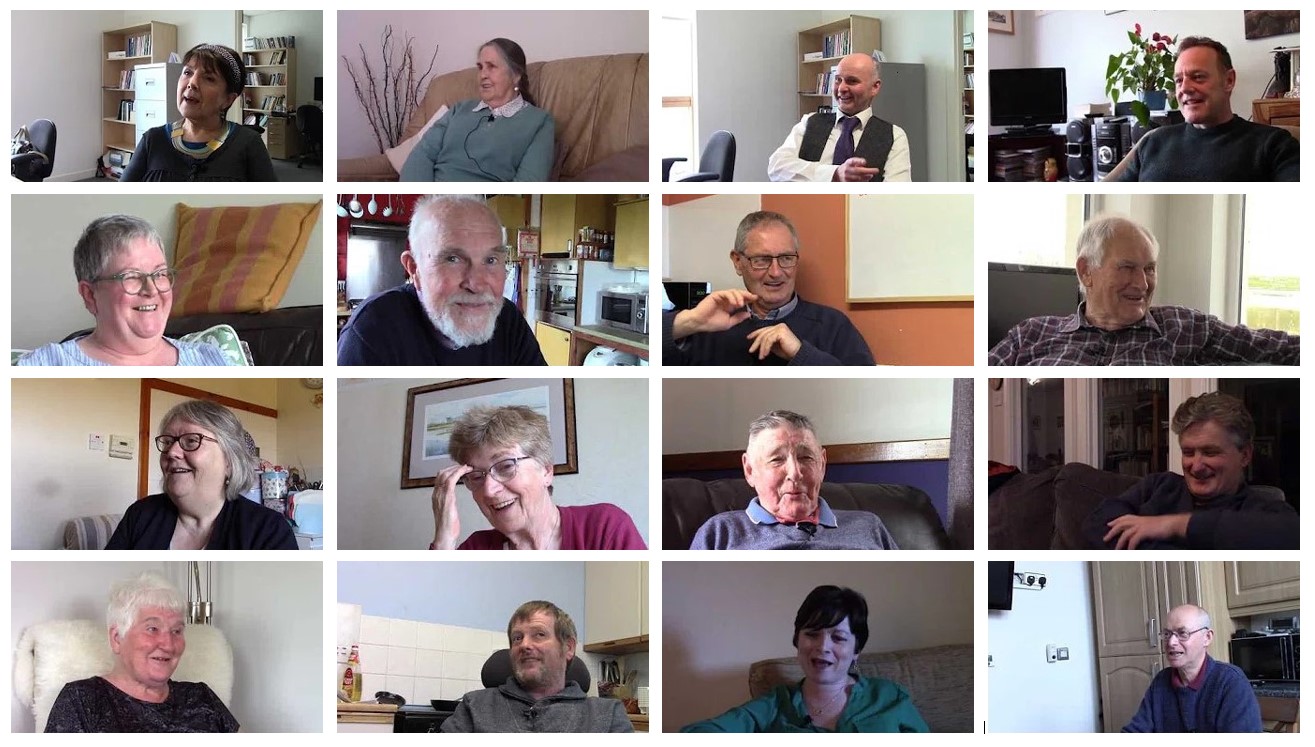
The Stòras Beò nan Gàidheal project has successfully met its target of producing 15 hours of new online community-based recordings of Scottish Gaelic, all fully transcribed! The collection comprises 31 videos of Gaelic speakers from four different islands in the Outer Hebrides talking about a wide range of subjects, including their upbringing in the islands and how they perceive things have changed during their lifetime. This project is led by the Language Sciences Institute (LSI) of the University of the Highlands and Islands, with Sabhal Mòr Ostaig and Soilllse, and is supported by Bòrd na Gàidhlig and Foras na Gaeilge. Irish partners are in the process of gathering together a parallel collection of recordings from the Irish Gaeltacht areas.

You can read more about the project on the LSI website here, or you can use the table below to go directly to the videos (on YouTube), with accompanying Clilstore transcripts and summary descriptions (in “Unit Info”).

South Uist Benbecula North Uist Lewis
Tòmas MacDhòmhnaill (1) Eairdsidh Caimbeul Alasdair MacDhòmhnaill (1) Pàdruig Moireach
Tòmas MacDhòmhnaill (2) Ailig Mac a’ Phì (1) Alasdair MacDhòmhnaill (2) Iain Greumach (1)
Hughena NicDhòmhnaill (1) Ailig Mac a’ Phì (2) Dòmhnall MacDhòmhnaill (1) Iain Greumach (2)
Hughena NicDhòmhnaill (2) Màiri Robasdan (1) Dòmhnall MacDhòmhnaill (2) Seònaid Mhoireach (1)
Alasdair Mac Asgaill Màiri Robasdan (2) Dòmhnall MacDhòmhnaill (3) Seònaid Mhoireach (2)
Catrìona Nic an t-Saoir (1) Seonag Smith (1) Aonghas MacPhàil (1) Christine Primrose (1)
Catrìona Nic an t-Saoir (2) Seonag Smith (2) Aonghas MacPhàil (2) Christine Primrose (2)
Seonag Smith (3) Gina NicDhòmhnaill (1)
Gina NicDhòmhnaill (2)

If viewers see resemblances in style to the earlier Saoghal Thormoid project, these are by no means coincidental! Stòras Beò nan Gàidheal builds on previous Island Voices experience of bringing this kind of recording practice into the community, in a way that is maximally user-friendly, and feels as natural as possible. Not every recording has a fully professional polish in technical terms, and the editing has been deliberately light-touch, but arguably that gives viewers a closer picture of genuine interaction in actual practice. The project will now pause its recording work in order to review and evaluate its progress to this point. This is not an end, but hopefully a beginning…
“Scotland of the East”

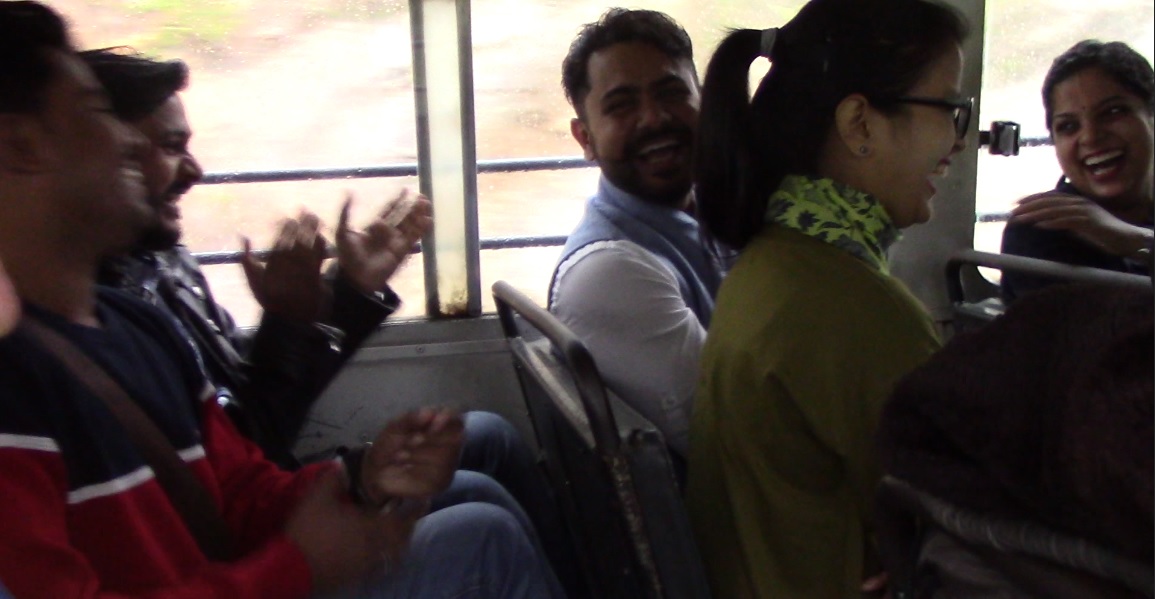
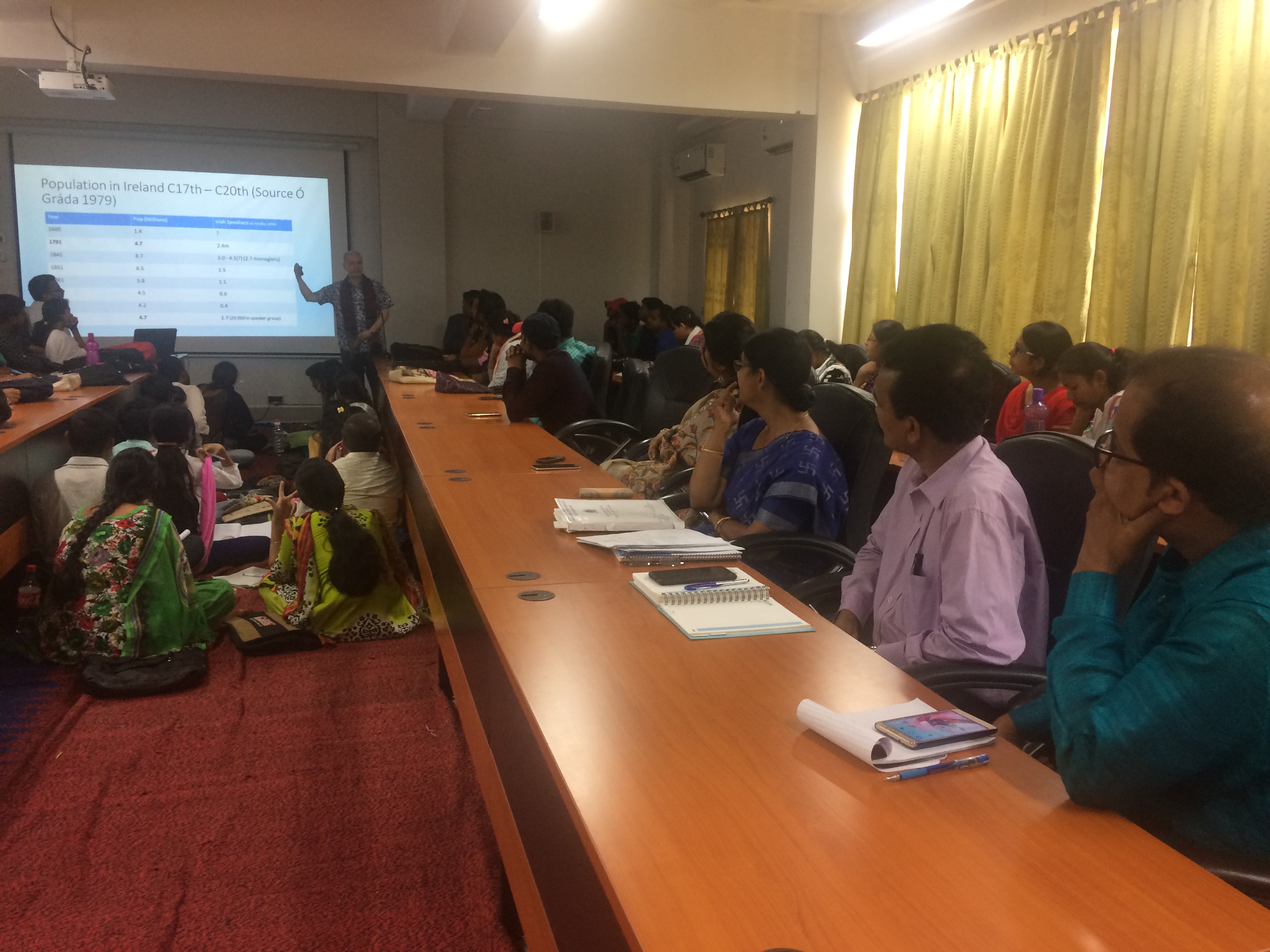
Island Voices were heard in Shillong, India, (the “Scotland of the East”) in October last year as part of the 2019 Year of Indigenous Languages celebrations at North-Eastern Hill University, where they held an “International Language Fest for Indigenous and Endangered Languages”. It was a two-day event with lectures and presentations at the university first, followed by a celebration of linguistic and cultural diversity in the town, with food and clothing stalls and exhibitions, and music and dance performances in many different genres and languages.

Gordon Wells took his camera with him for the Soillse Gaelic research network, and recorded some highlights for the wider “Mediating Multilingualism” project which is being led by the UHI Languages Sciences Institute, funded by the Global Challenges Research Fund. The resulting film, which references Island Voices in several places, has already been uploaded onto the LSI and Soillse websites, and can now also be viewed here. The film, presented in Gaelic and subtitled in English, is in fact multilingual, with the number of languages included well into double figures.

It starts with a two-minute introduction, giving some background and posing some questions as much for Gaelic interests as any other. Then comes the main film, “Dà Dhùthaich, Iomadh Cànan – दो देश, भाषाएं अनेक – Two Lands, Many Languages”, which is under 12 minutes long. This is followed by a brief 6-minute discussion, and a final very short postscript.

Here’s the film.

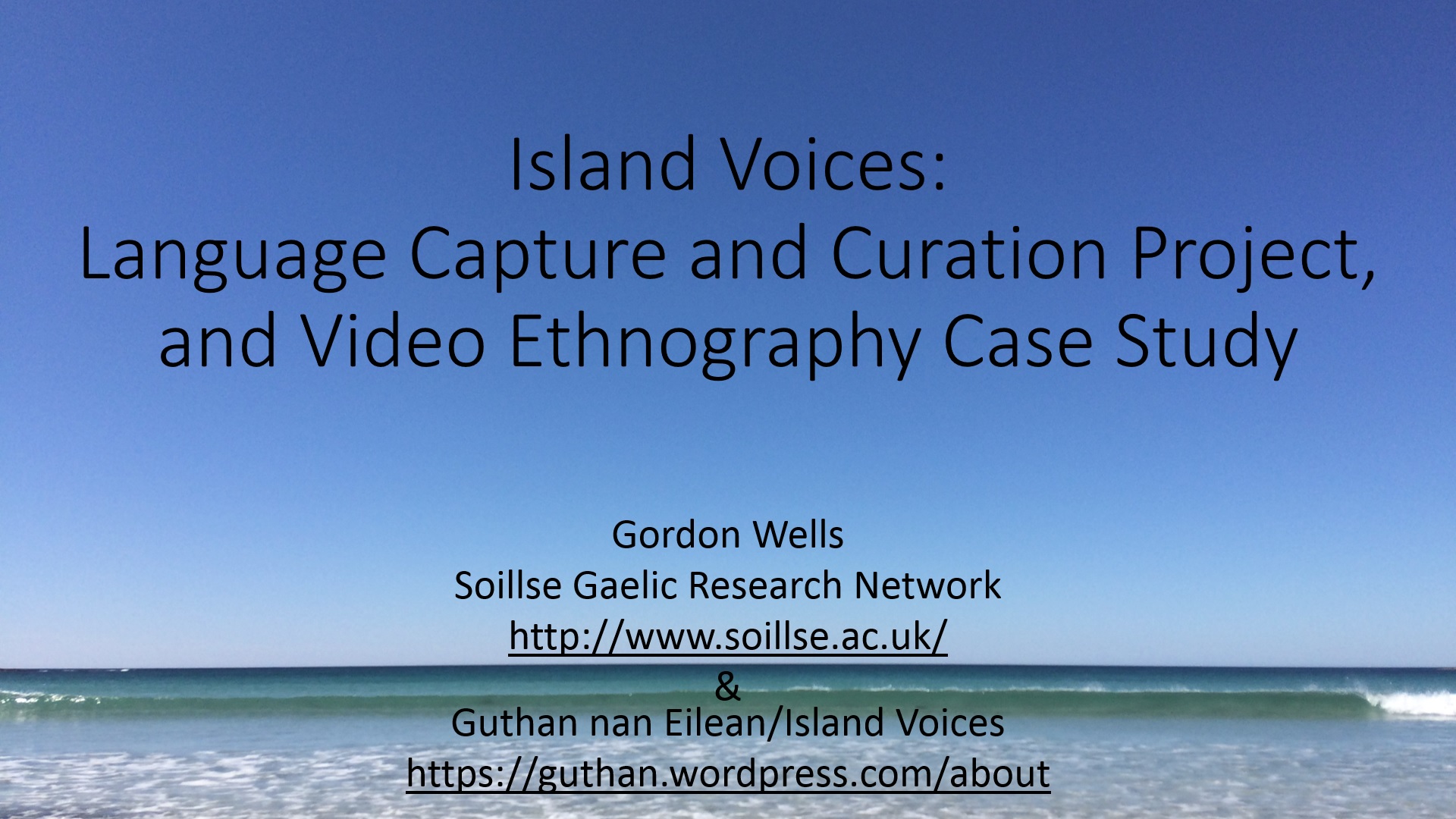
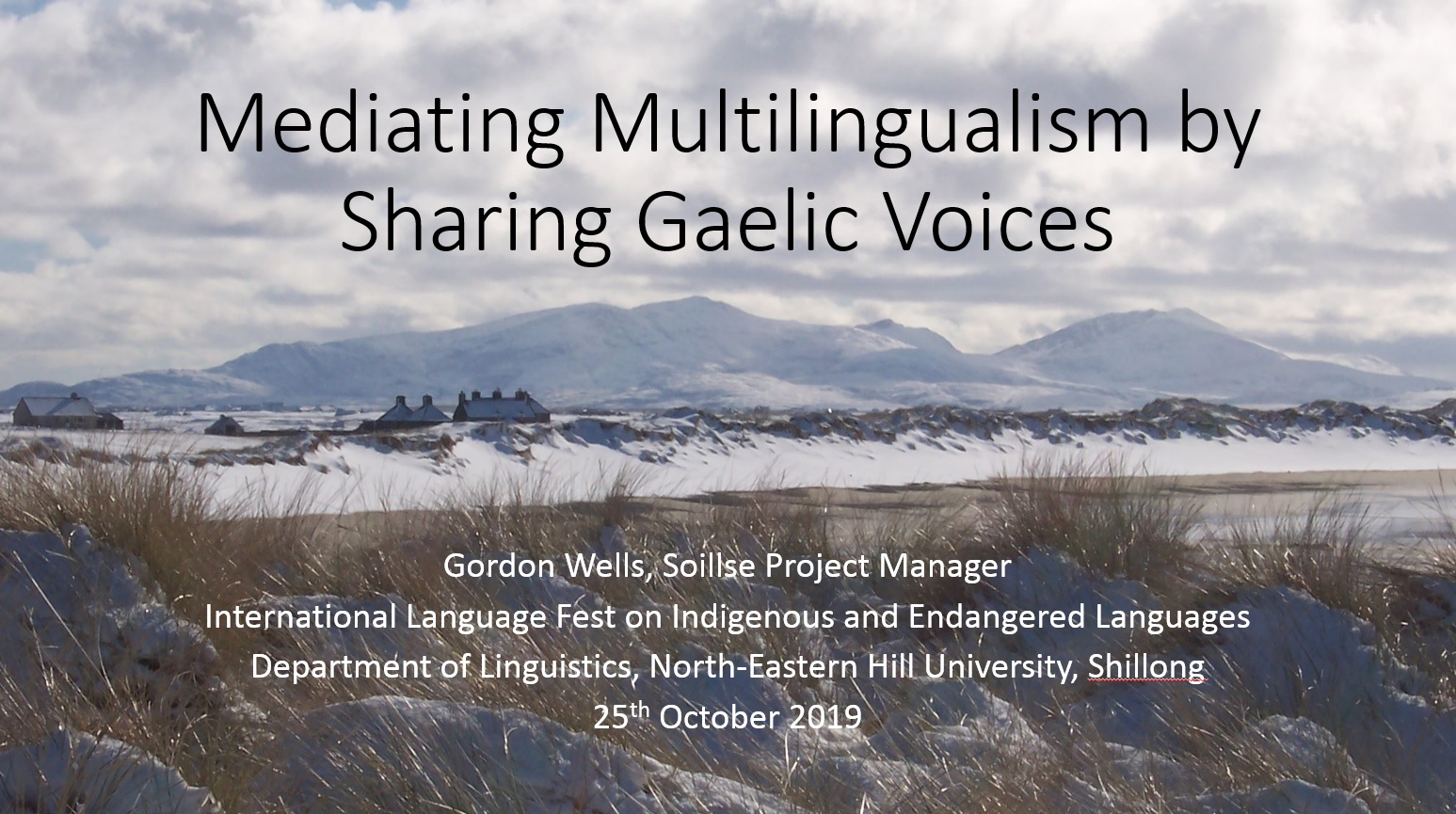
And here’s a PDF of Gordon’s presentation, in which he outlined the Island Voices project and some of its technical features (including Clilstore), and explored the potential for “sharing Gaelic voices” with other endangered or minority language interests. New techologies can greatly simplify the recording and film-making process, so enabling wider engagement with and by often marginalised communities.

“An Èisteachd nam Bàrd”

Maggie Smith has been quietly putting a series of fascinating poetry podcasts she’s made on her website over the past few months. With the recent addition of the fourth and final one, the series is now complete. The table below will give you quick links to this full series of poetic Lewis voices. Follow the “Blogpost” link to get to Maggie’s introduction, or go straight to the podcast via “Soundcloud”.

We’ve added it to our dedicated Magaidh Smith page too, where you can also find links to her collections of stories and dramas. Happy listening!

Podcast Links
1. Domhnall Greumach, Tolstadh Bho Thuath, Eilean Leòdhais Blogpost
Soundcloud
2. Criosaidh NicIomhair, Breascleit, Eilean Leòdhais Blogpost
Soundcloud
3. Tormod MacLeoid Siadar a’ Chladaich, Eilean Leòdhais Blogpost
Soundcloud
4. Uilleam MacMhathain, Na Fleasarain, An Rubha, Eilean Leòdhais Blogpost
Soundcloud


அந்த செய்தித்தாள் – Am Pàipear

ஊஸ்ட் சமுதாயத்திற்காக முதன்மையாக சேவை செய்யும் செய்தித்தாளை பற்றிய ஒரு குறும்படம் இது. இந்தப் படத்தில் எவ்வாறு செய்திகள் பல இடங்களிலிருந்து சேகரிக்கப்பட்டு, நன்கு வடிவமைக்கப்பட்டு, அவற்றின் உண்மைத்தன்மை சரிபார்க்கப்பட்டு பின் அச்சில் வெளியிடப்படுகிறது என்பதைப்பற்றிய விளக்கம் தெளிவாக படமாக்கப்பட்டுள்ளது.

The sharing of Gaelic voices extends to another new language today, thanks to the kind collaboration of Dr Dharani of the Government Arts and Science College in Avinashi. She has now recorded a Tamil voiceover for our documentary on the Uist community newspaper, Am Pàipear, first published eight years ago, with feature stories on Norman Maclean and Tobar an Dualchais.

This emerges as a welcome spin-off benefit from the “Mediating Multilingualism” project in which Gordon Wells is involved through UHI and Soillse. Dr Dharani had already taken Clilstore into new linguistic territory through her interview with Gordon at the International Language Fest in Shillong, available here. Complementing that later with this longer film was then a simple question of translating the script and recording the new narration – all done on a mobile phone and transferred instantaneously from India to Scotland via Facebook Messenger!

Here’s the film:

And you can follow it on Clilstore too (with wordlinked transcript) in Unit 8020: http://multidict.net/cs/8020

Watch this space for more contributions from India soon, and remember new voices and “other tongues” are always welcome on Island Voices from anywhere in the world!


Stòras Beò: Hughena

Hughena MacDonald is the next interviewee in this series of conversations with Archie Campbell.
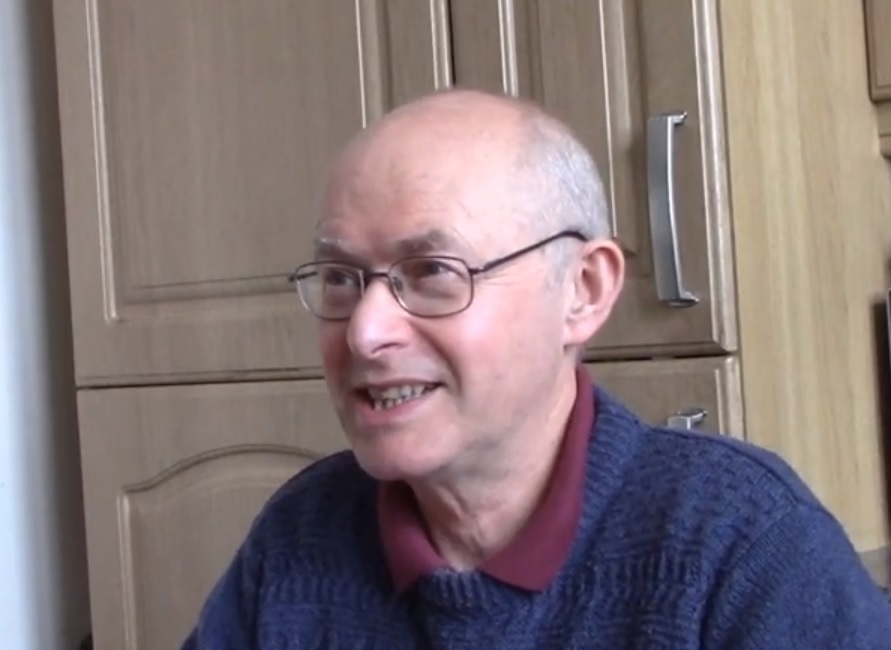
In Part 1, Hughena talks about her family background and her happy memories of growing up and going to various schools in Uist and Benbecula, including her experience of coming across computers for the first time when Sgoil Lìonacleit opened.

This was followed by a spell in Stornoway where she studied at the college and did part-time work, including with Radio nan Gàidheal. On returning to Uist she worked in various places, and raised a family. She describes how she enjoys working with people, and how she likes to relax afterwards.

You can read the wordlinked transcript here on Clilstore: http://multidict.net/cs/7915

In Part 2, discussion of the importance of Hughena’s faith to her leads onto broader reminiscence over customs and traditions in the days of her childhood, when casual visits to and from neighbours would be more frequent, often related to crofting matters. Hughena describes early memories of collecting and eating shellfish from the shore, and of baking skills less often put to use these days now that so much is so easily available in the shops. The conversation finishes with some discussion of the strength of Gaelic use in her family, how she’s passed it on successfully to her children, and the value of now encouraging older community members to share their spoken skills, while acknowledging the challenges involved in recording them.

The Clilstore transcript is available here: http://multidict.net/cs/7916

Stòras Beò: Tommy

Tommy MacDonald is another figure well-known to Island Voices followers. He appeared in several videos in our Series 2 Outdoors theme, and was the central researcher and interviewer in the Bonnie Prince Charlie set of audio recordings.
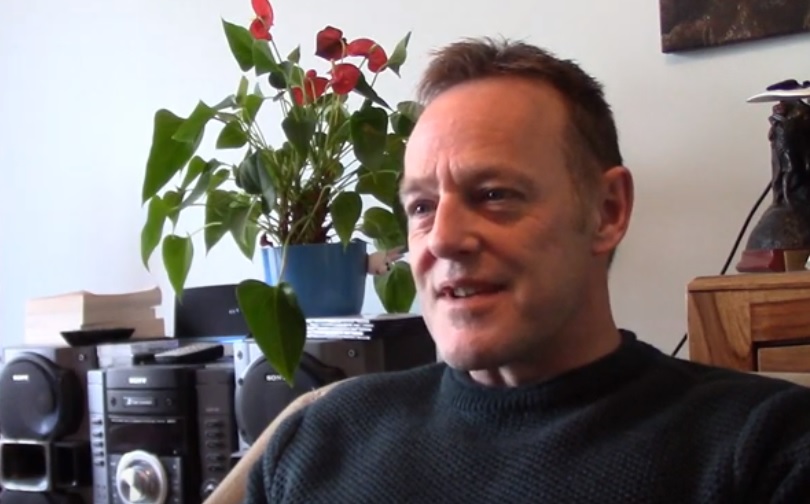
With a wealth of local knowledge and stories from his home community in South Uist, he was a natural choice for Archie Campbell to approach for the new Stòras Beò nan Gàidheal project, and one of the first people to be recorded “in the field”.

So here he is again, back in front of the camera. The two of them found a lot to talk about as Tommy retraced his life story so far, including his involvement in Gaelic community life and events, so the conversation has been divided into two parts.

Here’s the Part One video.

The Clilstore transcript for Part 1 is available here.

Here’s the Part Two video.

The Clilstore transcript for Part 2 is available here.


Stòras Beò: Pàdruig

Pàdruig Moireach brings a new Leòdhasach voice to the Guthan nan Eilean site with this recording made with Archie Campbell. An experienced teacher of Gaelic, Pàdruig’s also been closely involved with sociolinguistic fieldwork in the Western Isles in recent years, working for Soillse, Sabhal Mòr Ostaig, and the UHI Language Sciences Institute.
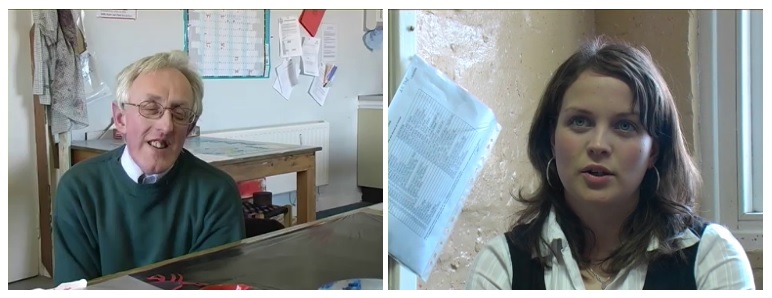
A Lewisman now based in Inverness, he’s worked in different fields and travelled widely, as you’ll hear in this recording.

Pàdruig and Archie have both been training up to take part in Soillse’s Stòras Beò nan Gàidheal project. Part of that training included conducting practice interviews on each other. We’ve already shared Pàdruig’s interview of Archie. Here the tables are turned, and it’s his turn in the hot seat!

Here it is on YouTube:

As usual, you can also access this video on a Clilstore unit with an accompanying wordlinked transcript, in case you want to read while watch and listen: http://multidict.net/cs/7689.

Digital Archive of Scottish Gaelic

Island Voices are delighted to see some of our video recordings being added to the Digital Archive of Scottish Gaelic (DASG), hosted by Glasgow University. The spoken texts of Saoghal Thormoid, produced under the Soillse banner, were included in DASG shortly after their creation, but under a new initiative, thanks to Eilidh Cormack, all the Gaelic interviews of the original Guthan nan Eilean Series One have now been incorporated into the “Cluas ri Claisneachd” audio archive. This is the first time DASG have used video recordings in their archive. It’s meant quite a bit of extra work for them, as they have added same language subtitles to every video. So this offers another viewing and reading option to Island Voices viewers – you can now follow written transcripts directly on the video screen as an alternative to using our own Clilstore platform.

You can browse the Island Voices material here. So far, only Series One is currently available in DASG. However, agreement has been reached for all Series Two interviews to receive similar treatment in due course of time. We’re happy to contribute to this collaborative venture. Cumaibh cluas ri claisneachd!

Stòras Beò nan Gàidheal

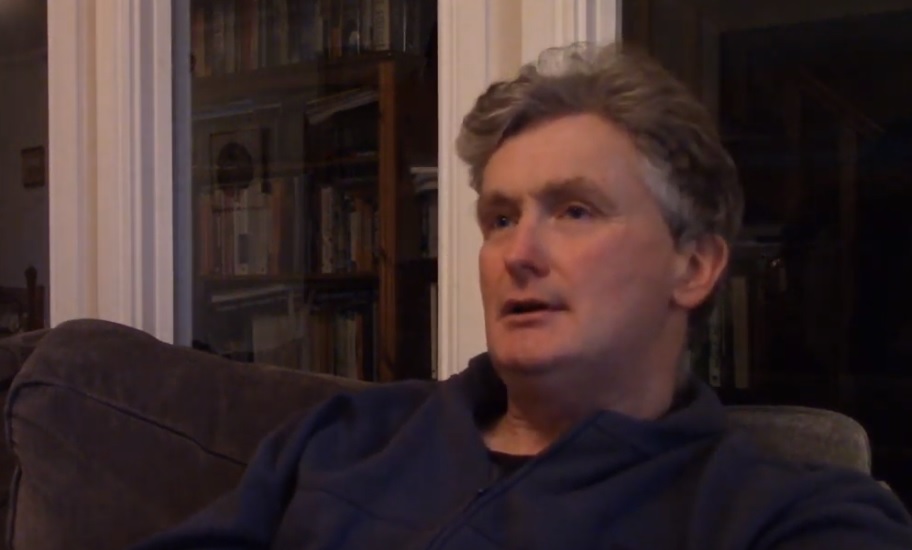
Followers of Island Voices need no introduction to Archie Campbell.
He’s been a stalwart supporter and contributor since our very early days.

In recent months he’s been involved in a new pilot project in which the UHI Language Sciences Institute with Sabhal Mòr Ostaig and Soillse, together with Irish partners, embark on recording the natural speech of Irish and Scottish Gaelic speakers in their own communities with user-friendly equipment and techniques.

This film was made with Pàdruig Moireach in an early training session, and may be viewed as a sample of what’s to come. It builds on the model of the Saoghal Thormoid series, using the same basic two-camera set-up, with minimal editing work afterwards, so that the viewer gets a real feel for the natural conversational flow of two people speaking to each other, with all the normal repeats, reformulations, hesitations, and interruptions that characterise authentic spoken communication. Pàdruig quizzes Archie on his recollections and opinions on growing up and continuing to live on Benbecula. It’s a fascinating half-hour listen.

You can watch the video by itself on YouTube:

Or you can follow this link to catch it with an accompanying transcript on Clilstore:

http://multidict.net/cs/7628

Shantiniketan Presentations


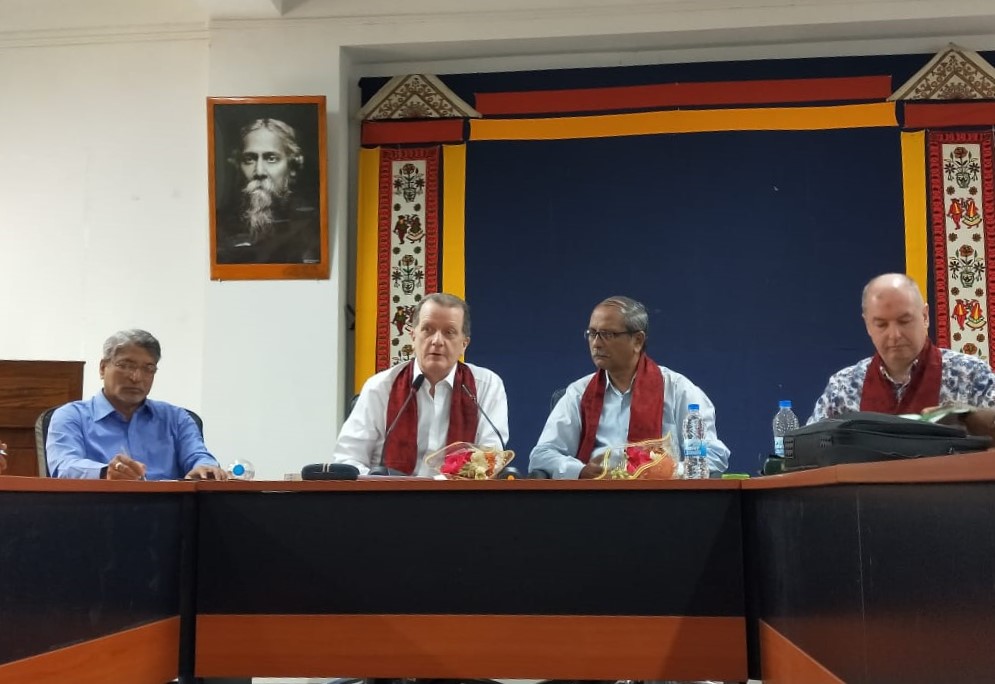
Island Voices co-ordinator Gordon Wells’s “lightning tour” of India concluded with a session in the Bhasha Bhavana (Languages Building) of the world-famous Visva Bharati University at Shantiniketan. Wearing hats from both Guthan nan Eilean and Soillse (for which he is the project manager), Gordon Wells delivered a summary of the overall Island Voices project while highlighting the partnership with Soillse, particularly in relation to Saoghal Thormoid.

Conchúr Ó Giollagáin’s talk. (Click to enlarge.)
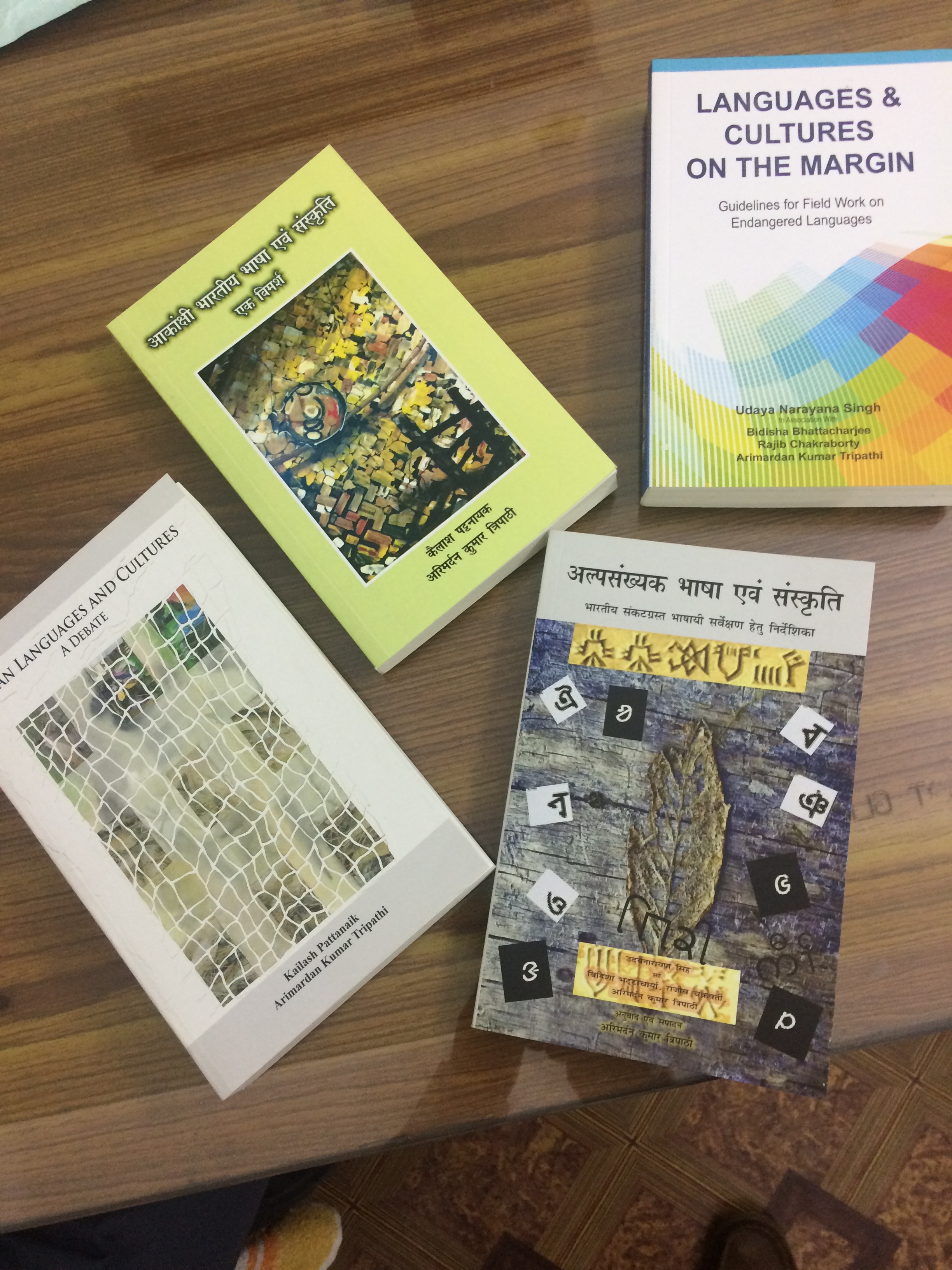
CFEL publications. (Click to enlarge.)

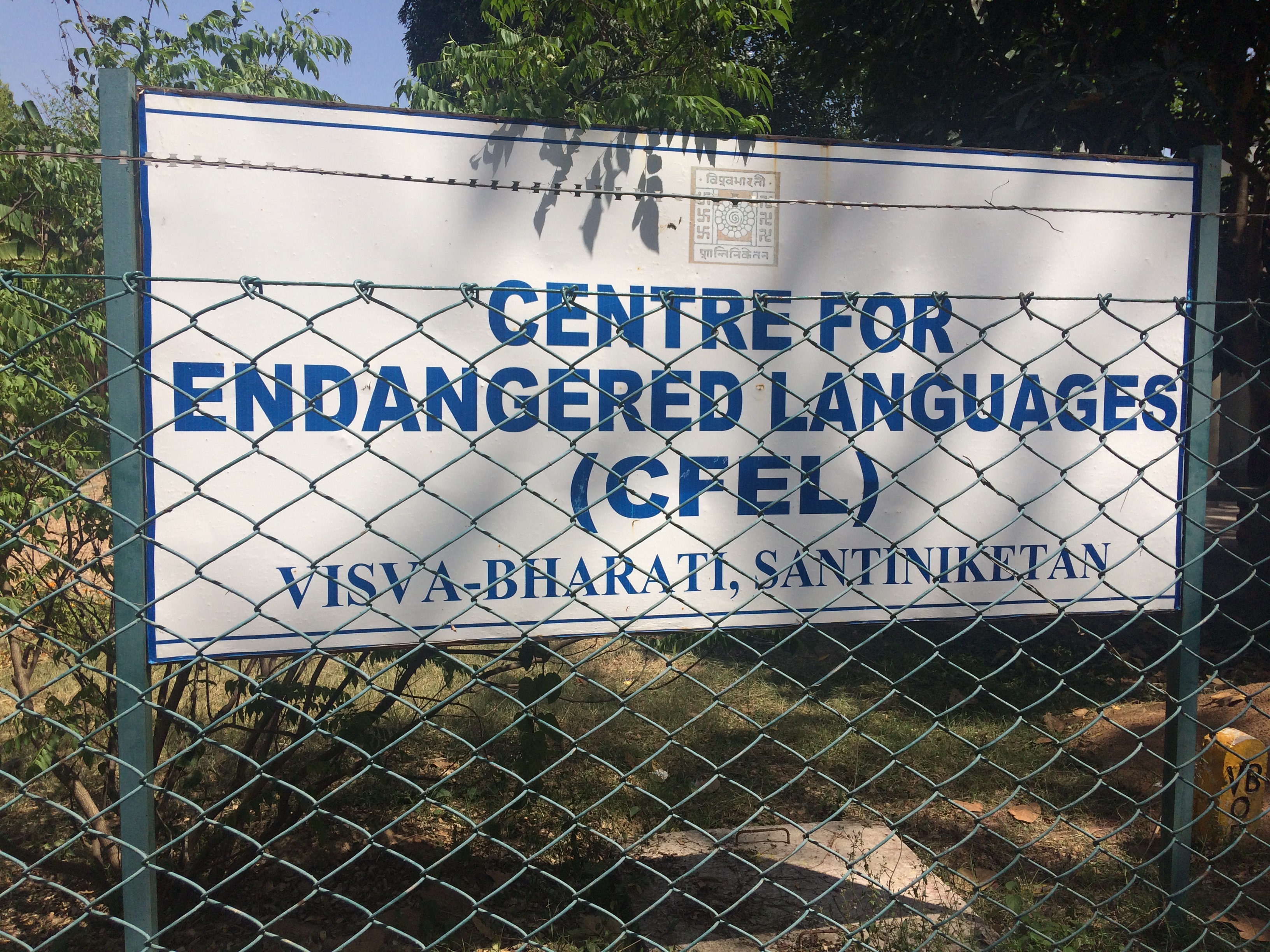
Like the previously visited Jadavpur University in Kolkata, Shantiniketan also hosts a Centre for Endangered Languages, another link in a chain that connects many different parts of India. Soillse Director, Conchúr Ó Giollagáin, who also spoke in all three venues on the tour, is keen to develop dialogue and links between Irish and Scottish Gaelic interests and Indian efforts and initiatives to protect and promote linguistic diversity. In his talks on Irish and Scottish Gaelic culture and demography he noted in particular the striking disparity in international academic attention and resources devoted to India, with its rich mix of languages and cultures, in comparison with, for example, Western Europe which has far less linguistic variety.

The speakers, hosted by Profs Kailash Pattanaik and Abhijit Sen. (Click to enlarge.)

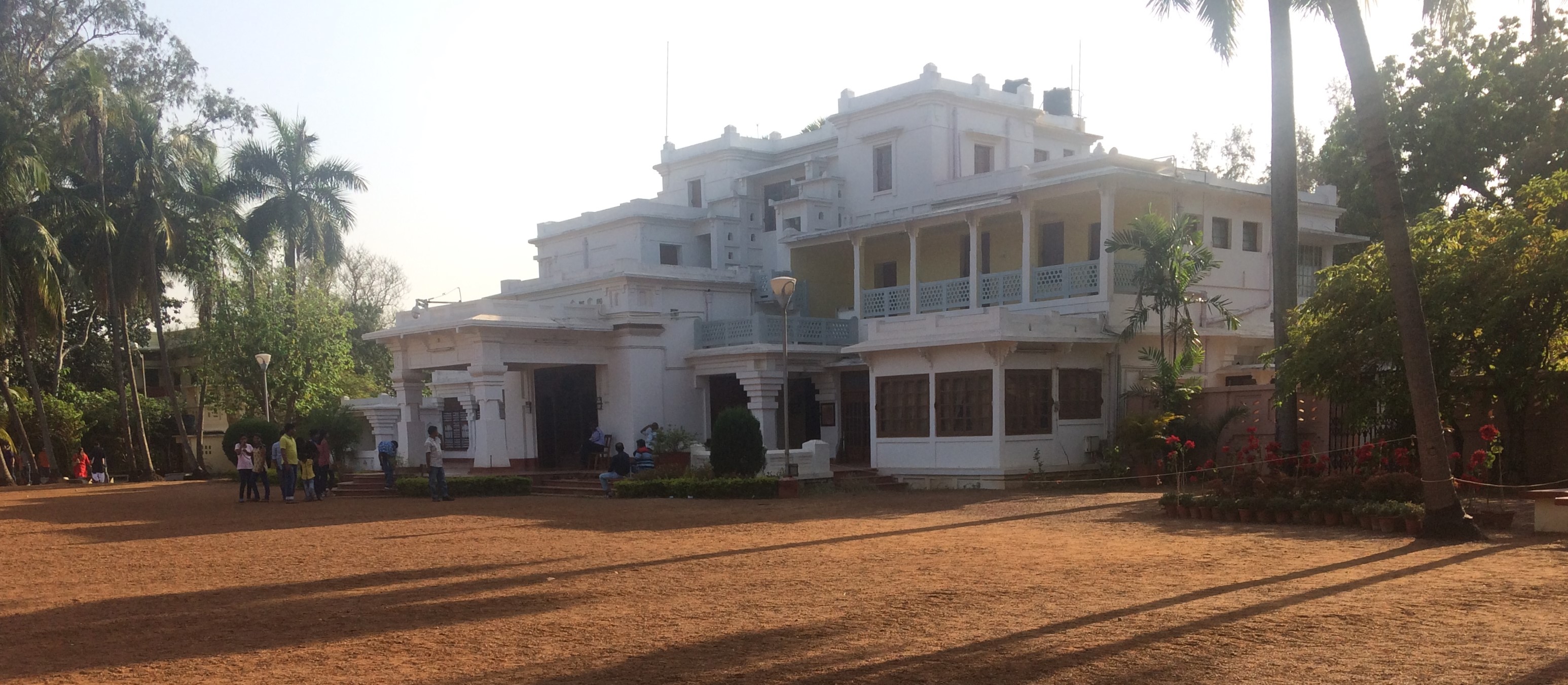
Both visitors certainly found Shantiniketan an inspiring venue to complete their tour, where they were warmly received by faculty members, research scholars, and students, and treated to a fascinating tour of the campus, as well as Rabindra Bhavan, which houses the Rabindranath Tagore museum.

Rabindranath Tagore’s house. (Click to enlarge.)

A PDF of Gordon’s presentation with live links can be viewed here.