Dr Emily McEwan-Fujita: Research & Rocaidean

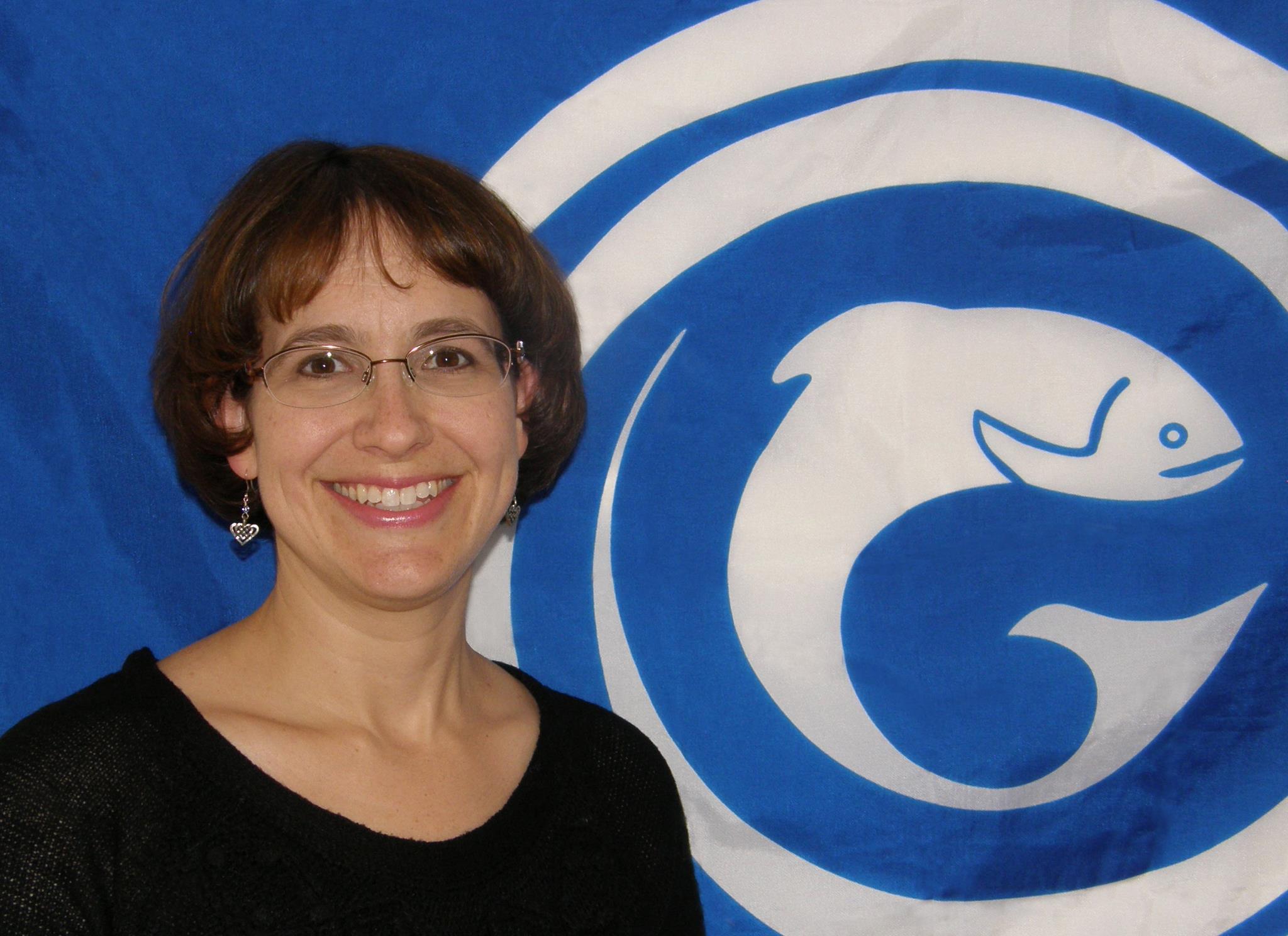
EmilyMcEwenFujitaDr Emily McEwan-Fujita conducted a large part of her PhD fieldwork in Uist in 1999/2000, and went on to complete her doctorate in Anthropology with the University of Chicago.

Since then she has published numerous articles on the subject of Gaelic and its revitalisation both in Scotland and Nova Scotia, where she now lives. Most recently she has become an active blogger. She wrote an interesting piece last month on Gaelic revitalisation and rocket science.

Here Emily talks (in Gaelic) about some of her observations on learning Gaelic in Uist, and how she came to write her piece:

Good to hear a new voice on Guthan nan Eilean!

And, with her kind permission, here’s the piece itself, “re-blogged”:

Saving Gaelic – Is It Rocket Science?


A few years ago, someone criticized my work, saying that Gaelic language revitalization wasn’t rocket science. I didn’t know whether to laugh or cry, because she was right. Language revitalization isn’t rocket science — it’s far more difficult.

Rocket science, or any type of engineering, formulates and solves problems. Get the math right, solve the problem. On to the next problem. Something breaks or goes wrong? Find the math or programming mistake and fix it. Human error is a factor, but the math is reliable.

Language revitalization, on the other hand, is not so simple.

A formal definition of language revitalization is: “the attempt to add new linguistic forms or social functions to a language which is threatened with language loss or death, with the aim of increasing its uses and users” (Kendall King 2001, p. 4). Basically, it’s the effort to save a language that is gradually going out of daily use.

Why is it so difficult to save a language? Because it involves a deliberate effort to change people’s opinions, ideas, feelings, and behaviorsRead more… 

You can read more posts from Emily on her blog: https://gaelic.co/blog/

Exhibition Launch

Mary Morrison wrote this blogpost about the “An fheadhainn tha laighe sàmhach” exhibition launch:-

10369107_353668868174823_4422697920892839473_n

“Last week, on Friday March 13th, the second stage of ‘An fheadhainn tha laighe sàmhach’, the exhibition mounted by Comann Eachdraidh Uibhist a Tuath, (to gather the reminiscences of the island, together with those of Berneray and Grimsay, on the tragic legacy of ‘An Cogadh Mòr’), was launched, this time as a collaboration with Pròiseact nan Ealan’s travelling exhibition, “Gairm nan Gàidheal”, in the Museum at Taigh Chearsabhagh. Despite some hitches with the weather the week before, which meant that the artefacts only arrived from Harris on the afternoon of the exhibition, Simon MacQuarrie, Chrissie MacCrae from the PnE team and those from CEUT at the Museum still managed to mount an array of compelling items, some on loan from the Flanders Field Museum itself, just in time for the opening.

Neil Ferguson opened the exhibition, thanking all those who had worked to make it successful. He then gave a memorable talk about Dòmhnall Ruadh Chorùna, and, in a strong and melodious voice, sang some of his war poems, very movingly. Còisir Ghàidhlig Uibhist under the direction of Joanna Peteranna and accompanied by Billy MacPhee then sang the first ‘world performance’ of a poem addressed to the bard by the Rev. John Smith and set to music by a choir member, Peter Cooper. Other local bards of WW1 were represented in powerful contributions from family members Isa MacKillop, Catriona Garbutt, Cathie Laing, Morag Nicholson and Duncan MacKinnon, while Patrick Hughes represented the Irish song tradition, all to great applause. Billy MacPhee played a moving solo, ‘The Battle of the Somme’ and encouraged the audience to join in with some local songs. Neil sang again, ‘An Eala Bhàn’, to great applause and Norman Johnson provided us with poignant and fitting reminders of the role of the piper in WW1, through his inimitable piping during the evening. Ùisdean Robertson gave the concluding appreciation to the contributors and launched the third of CEUT’s annual oral history pamphlets, the first to be bilingual, Isa MacKillop’s ‘An Cogadh Mòr.’

As a result of all these musical contributions, this launch turned out to be a historic and most memorable occasion – there was standing room only, throughout the evening; our estimate is that there were over 90 community members present. Small packets of Flanders Field Poppy Seeds were presented for guests to spread across the islands in remembrance. CEUT is grateful indeed for the amazing support this two year project has evoked amongst the community, local schools and especially those tradition bearers who have participated so generously.”

Shared from “An fheadhainn tha laighe sàmhach“.

Crofting Project

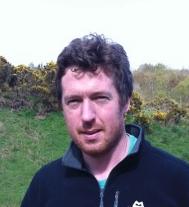
Magnuscourse2Dr Magnus Course, a social anthropologist at the University of Edinburgh, is starting a new long-term research project looking at the relationship between Gaelic culture, crofting, and landscape in the Outer Hebrides.

Magnus and his family will be moving to South Uist for four months from April. In addition to interviews, he’s also hoping to spend time working with people on their crofts to get a better understanding of the work involved.

If you or someone you know would be willing to chat, or if you’d appreciate some free labour on your croft, please check out the details here and get in touch with Magnus.

Magnusletter

Cothrom at Christmas

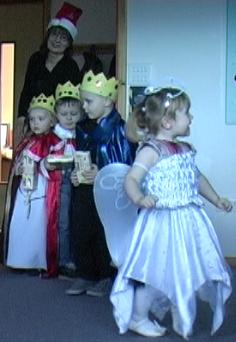
nativity2Abair spòrs a bh’ aca aig Cothrom ann an Ormacleit, latha no dhà ron Nollaig!

‘S cinnteach  gun deach tòrr obair a dhèanamh ro-làimh, ge-tà, gus dealbh-chluiche sgoinneil mar seo a chur air dòigh.

Nach do rinn iad uile glè mhath, an dà chuid a’ chlann fhèin agus na daoine a bha gan cuideachadh!

An all-star cast from the ranks of Cothrom‘s full-time Gaelic nursery put on a stunning performance shortly before Christmas.

Congratulations all round to the young performers as well as the many helpers!

Ewen MacAskill

macaskillEwen MacAskill from North Uist talks in Gaelic to Mary Morrison about the impact of the First World War on various family members and the wider community.

As with many Uist families there were members with direct experience of the war, and some who did not return – and those who did would often not speak about it.

The impacts on the community were brought into sharp focus through his mother’s position as Grimsay postmistress, and therefore deliverer of telegrams to other local families.

This short video was filmed by Laura Donkers for the “An fheadhainn tha laighe sàmhach” project, led by North Uist Historical Society.

Lovers’ Rock

SuileanDubhLooking for a line on Valentine’s Day? Look no further! Here’s another love song  “haund-knitted” in Uist, with the romantic lyrics written and sung by James Macletchie.

Bi Beò (nach maireann) were early contributors to Island Voices, so might now be considered “Golden Oldies”, but their rock’n’roll’n’reggae style was “eclectic”, to say the least. Here, resurrected from their “Ma Sgaoil” collection, the Caribbean-influenced “Sùilean Dubh nan Eilean” is rendered as a Clilstore unit, allowing listeners to read as they listen, checking any words they don’t know as they go along. Happy Valentine’s Day! Keep it educational…

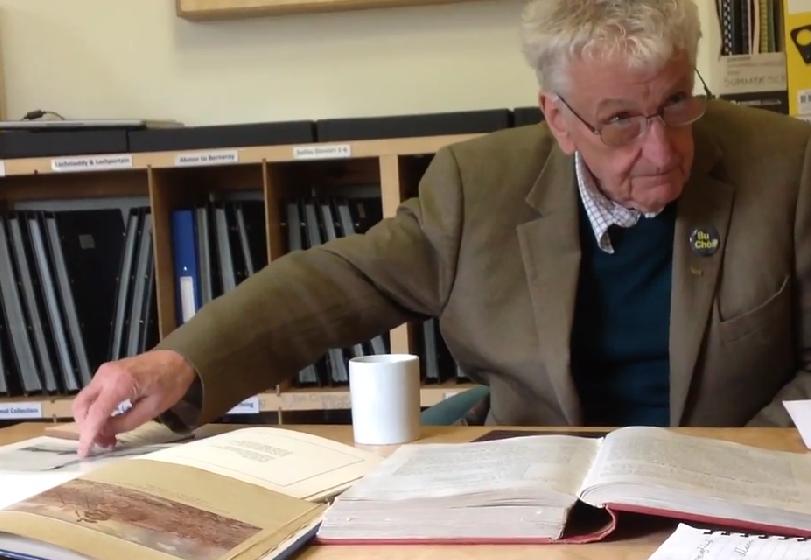
Donald MacCormick: Highland Soldiers

DonaldBooksDonald MacCormick, the well-known book-collector, talks in Gaelic to Archie Campbell about the contributions and sacrifices made by Highland soldiers in the First World War, and the reputation they earned.

As the statistics he cites make clear, it came at a heavy price, especially amongst the pipers.

This is another short film, shot by Laura Donkers, made as part of the An fheadhainn tha laighe sàmhach project led by North Uist Historical Society, Comann Eachdraidh Uibhist a Tuath, which is collecting some very distinctive “island voices” that have a special tale to tell.