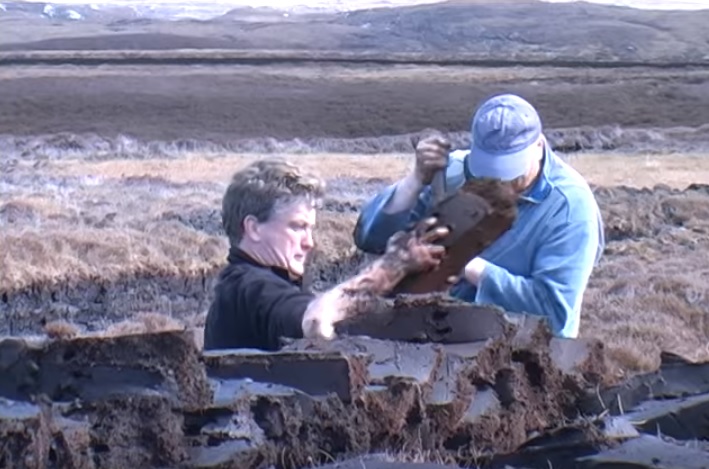
Sharing Gaelic Voices

Language Issues Title

The summer issue of NATECLA’s journal “Language Issues” takes a look at Community Languages, and features an article on Guthan nan Eilean/Island Voices by Gordon Wells. “Sharing Gaelic Voices: Peatcutting in Polish or Surfing in Sindhi?” can be viewed as a Gaelic-focussed companion to, and update of, the 2012 project description (written from an ESOL point of view) in the British Council’s “Innovations in ELT for Migrants and Refugees”.

LangIssuesCoverProfessor Conchúr Ó Giollagáin of the University of the Highlands and Islands, and the Soillse inter-university research network, adds another perspective: “Guthan nan Eilean may also be seen as creative initial steps in an emerging agenda of documentation of natural language… The project demonstrates how the community of speakers can take a pro-active and productive role… in this vital task.”

Regular readers will have noticed that a “Peatcutting in Polish” video already exists, as an example of the potential for “re-purposing” that is among the issues discussed in the article.

Perhaps more examples will be forthcoming in the months ahead?

A copy of the article has been added to the Island Voices Research/Reports page, with the kind agreement of NATECLA.

It can also be accessed here.

2018 Update: The number of languages featured in Island Voices films is now into double figures! Check our Other Tongues page.

Island Voices in Europe

Hitzargiak

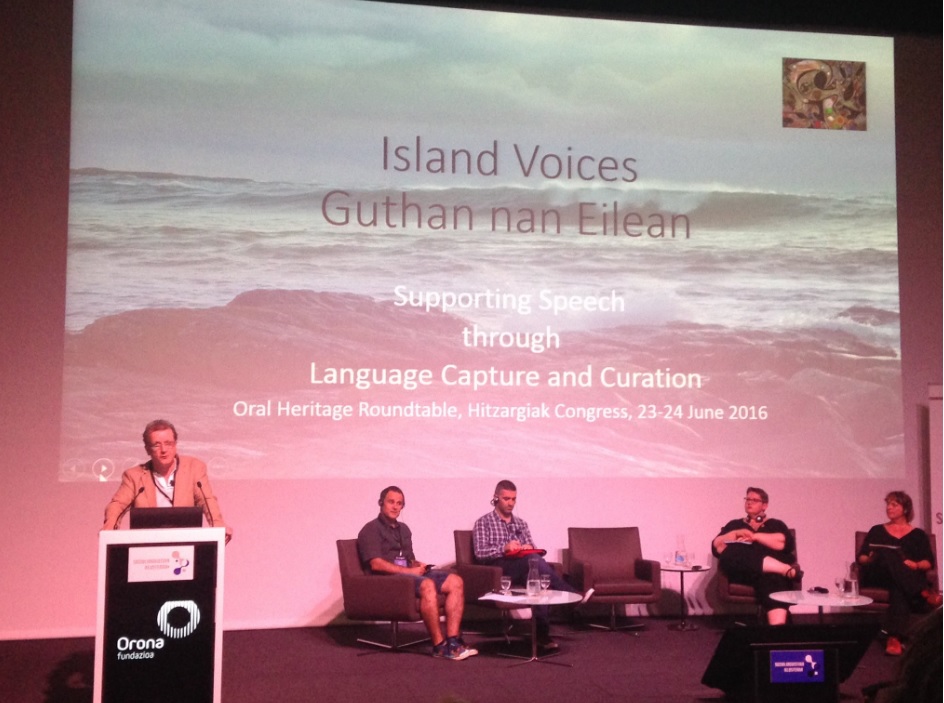
Gordon Wells was delighted to give a short presentation on Island Voices to the Hitzargiak Congress, held in the Basque Country on June 23rd and 24th. There was a very full programme over the two days of the congress, with the first full roundtable discussion focussing on Oral Heritage. Always happy to assert the “Primacy of Speech”, Gordon was also pleased to learn of broadly similar projects working in Alsatian, Basque, and Galician.

HitzarPres1“Writing is, of course, a very important skill and an intriguing facet of linguistic behaviour”, he said, in his opening remarks (simultaneously interpreted in three other languages!). “But it is still, nonetheless, a kind of accoutrement to the essence of language, which is realised in its most elemental form through speech. And in the context of language endangerment, I suggest we must take care to continue supporting ordinary talk, because if we lose recognisable speech we lose the essential medium through which to maintain language.”

You can see Gordon’s presentation, “Supporting Speech through Language Capture and Curation”, here. The Hitzargiak entry on Island Voices, as an example of Best Practice, can be found here.

Àiridh na h-Aon Oidhche aig TRACS is Clilstore

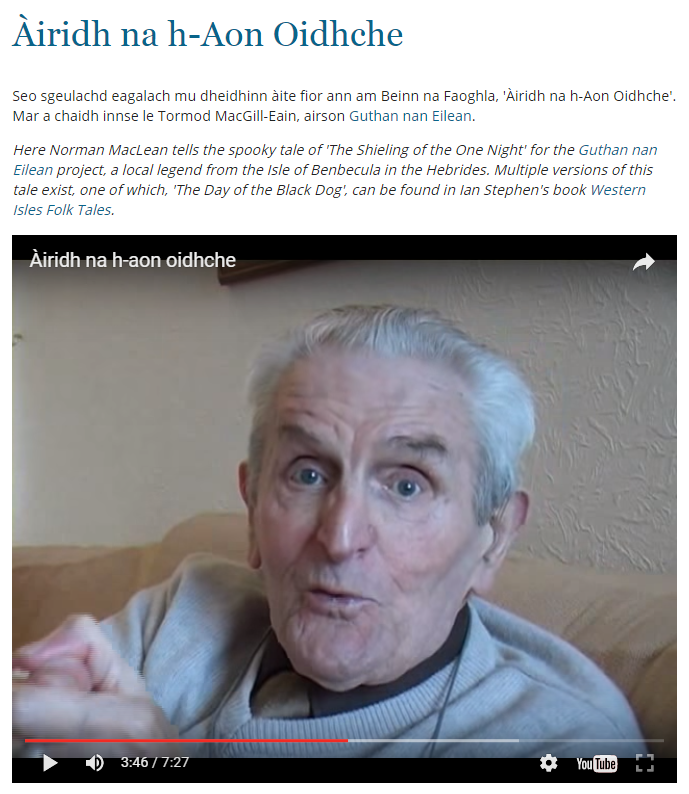
TormodAiridhBidh cuimhne aig cuid gun do chuir TRACS “Blàr Chàirinis” le Tormod MacGill-Eain air an làrach fhèin o chionn treiseag. Seo a-nis “Àiridh na h-Aon Oidhche” aca san aon stoidhle.

Tha sinn gu mòr nan comain airson na h-obrach a rinn iad air an tar-sgrìobhadh. Tha sin air a bhith na chuideachadh dhuinne ann a bhith a’ cruthachadh aonad Clilstore leis a’ bhidio. Gheibhear an seo e.

Followers of Island Voices may remember that TRACS placed Norman Maclean’s telling of the story of the Battle of Carinish on their own website not so long ago. Now here’s his “Àiridh na h-Aon Oidhche” in the same style.

We are indebted to them for the work they did on transcribing the story. That has been a great help to us in creating a Clilstore unit with the video. You can find it here.

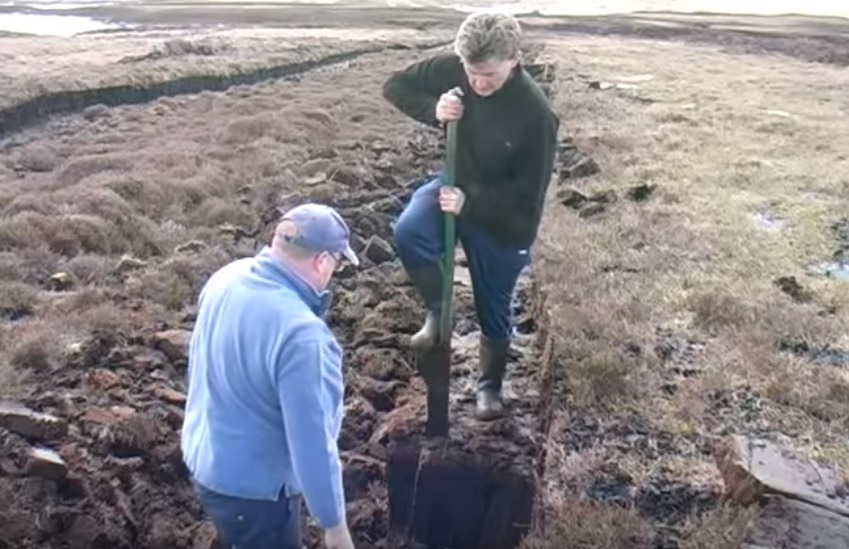
Kopanie torfu: Peatcutting in Polish

polishpeatKrótki film dokumentalny w języku polskim dla uczących się języka o kopaniu torfu w Uist.

Film aithriseach goirid ann am Pòlainnis airson luchd-ionnsachaidh mu dheidhinn buain na monadh ann an Uibhist.

Short Polish documentary for language learners about peatcutting in Uist.

While you watch and listen you can read a transcript with online dictionary access to every single word on this Clilstore unithttp://multidict.net/cs/4130

Between Series 1, Series 2, and other initiatives, Island Voices has produced 25 short documentary clips of this kind in both English and Gaelic. “A Gaelic Journey” also came out in Irish, but this is the first time we’ve produced a Polish version of one of our films.

It may not be the last, however! All we need is a translation of the script and a recorded voice. And, if we can do it in Polish, we can do it in other languages too. Interested?

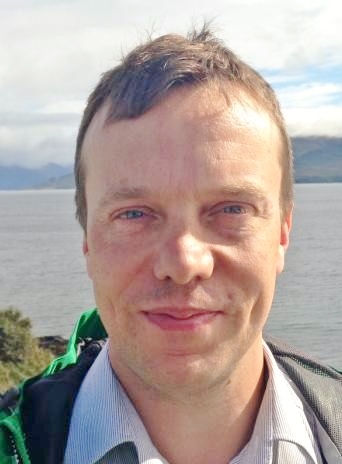
Gordon Cameron: Soillse Fieldworker

GordonCameronTha Gordon Wells a’ bruidhinn ri Gòrdan eile an seo – Gòrdan Camshron, a tha na neach-rannsachaidh aig Soillse agus a tha ag obair airson Pròiseact Rannsachaidh Gàidhlig nan Eilean.

An toiseach tha iad a’ bruidhinn sa Bheurla le Gòrdan Camshron a’ mìneachadh na tha san amharc aig a’ phròiseact san fharsaingeachd. As dèidh sin tha e a’ bruidhinn sa Ghàidhlig mu na tha e air a bhith ris ann an Èirisgeigh.

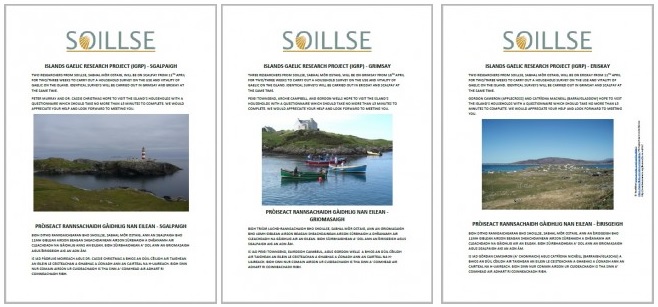
Gordon Cameron talks to Gordon Wells here about Soillse‘s Islands Gaelic Research Project.

He first explains in English what the plan is for the whole project, and then goes on in Gaelic to talk about the work he’s been doing in Eriskay.

Google Gaelic

archanddonMany have welcomed the recent addition of Scottish Gaelic to the number of languages served by Google’s automatic “Translate” tool. Many have also expressed concern at the way it may be misused, particularly when it comes to translating cheaply – and frequently badly – from English to Gaelic. As an experiment at Island Voices, we’ve taken one of our popular Gaelic videos in Series Two Outdoors and run the transcript from Clilstore through the Gaelic to English facility on Google. Here’s the result.

“I Archie Campbell. Here in Benbecula myself and my neighbor Donald Innes spent a day early summer on the heath the peat. We start with skinning with spades. This leaves mud peat is ready for harvesting. I cut off a piece with the first spade. Then I begin with the treisgeir.

It is the work of Donald being below the dumping of peats. They lie on the ground for a while to dry. As we move forward towards the marks left on the roof by the treisgeir. After a while we become accustomed to the work, and we will cut and build faster and faster.

After working hard all the morning comes the time to relax, with food and drink. It is a good time is also news. Not just hard work only in the peat. You can also talk to.

The evening to try Donald cut, and I myself will throw the peats. When we come to the end of the mud we were skinning in the morning is not the end of the work at all. That is just the first stage ready. Now we need the second piece removed. The triopsa, rather than stretching them on the ground I will make them garden. The holes in the garden which allows the wind to blow through the turf drying.

At the end of the first day I Donald how small or rùghain stacks with the peats lays on the ground – again to dry. I come back after two weeks for more work like this. With the first day we finished the building back to the house.

After two weeks on the peats slightly dry, and I have come back for more rùghain made. The peats much water is lost now, and they are easier to handle. At this stage no need for the peats in the garden moved, but even with that much work to do in building rùghain with the peats were lying on the ground. The next step will be bringing them home. Need for tractor.

Between all anything, it is a time of year for fuel to take home. But on a cold winter later in the year I think it was a good time to earn it.”

If you struggle with Gaelic, you can judge for yourself how much or how little that helps with understanding the piece. You can even compare it with our own English version of the same video clip.

Clilstore aims to help you with individual words you might not know. It’s up to you to figure out how they fit into the piece as a whole. Clearly, Google Translate does a less than perfect job of fitting all the words together, but you may feel that it helps a bit. If that’s the case, all you need to do with any of the Clilstore transcripts on this site is simply copy and paste them into Google Translate, and see where it takes you. Good luck!

Sea Poems at Taigh Ciùil

seapoemslaunchposter

There’s a packed programme at this month’s Taigh Ciùil, including the launch of the CD of Island Voices contributor Catherine Eunson’s musical collaboration with North Uist resident Pauline Prior-Pitt. Here’s a short sample.

[soundcloud url=”https://api.soundcloud.com/tracks/240143514″ params=”color=ff5500&auto_play=false&hide_related=false&show_comments=true&show_user=true&show_reposts=false” width=”100%” height=”166″ iframe=”true” /]


If you can’t make it to the launch there are more details available on Catherine’s website.

Look out! Manx Mars

ManxMars

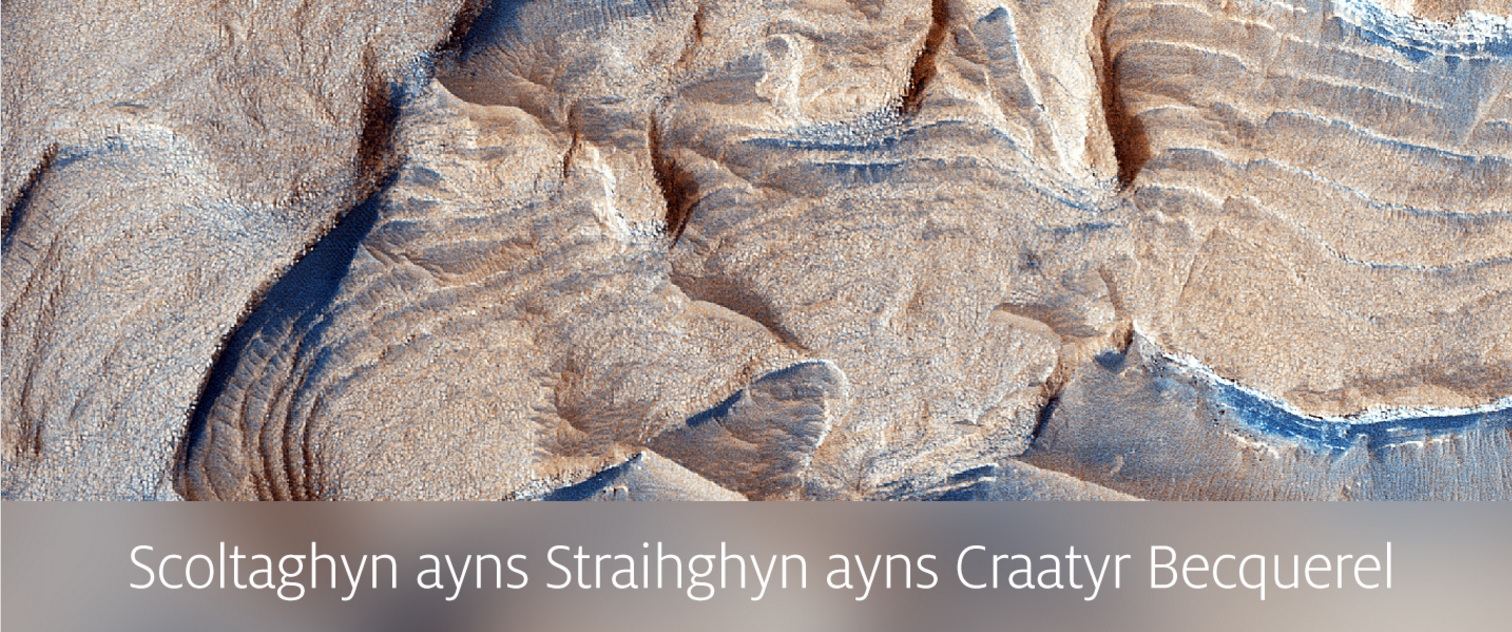
Tha Guthan nan Eilean an-còmhnaidh air a bhith deònach a bhith a’ coimhead a-mach air na tha a’ tachairt ann an àiteachan eile san t-saoghal, ach gu h-àraid ma tha ceangal Gàidhealach no eileanach air choiregin ann. Ach seo rudeigin a tha dìreach “mach às an t-saoghal” – gu fìrinneach! Abair scoop aig Culture Vannin an-diugh nuair a thàinig “The Beautiful Mars Project” a-mach sa Ghàidhlig aca fhèin! Nach toir sibh sùil air, gus faicinn an tuig sibh an litreachadh inntinneach a th’ aca?

Historically, the Gaels have been great travellers, and the Island Voices project has traced some links in our “Gaelic journeys” page. But we never before got to Mars. So hats off to our fellow Gaelic islanders a little to the south at Culture Vannin. What a scoop – even if the spelling does look a bit funny to Scottish eyes!