Who remembers we once mooted a MOOT?
Well, the idea of an Island Voices “Multilingual Open Online Teach-in” is now no longer, um, moot – for want of a better word. “Chan ann a h-uile latha a bhios mòd aig Mac an Tòisich”, mar a chanas iad, (“It’s not every day Mackintosh throws a party” – loosely) but its time has come.
“Talking Points” with Tormod
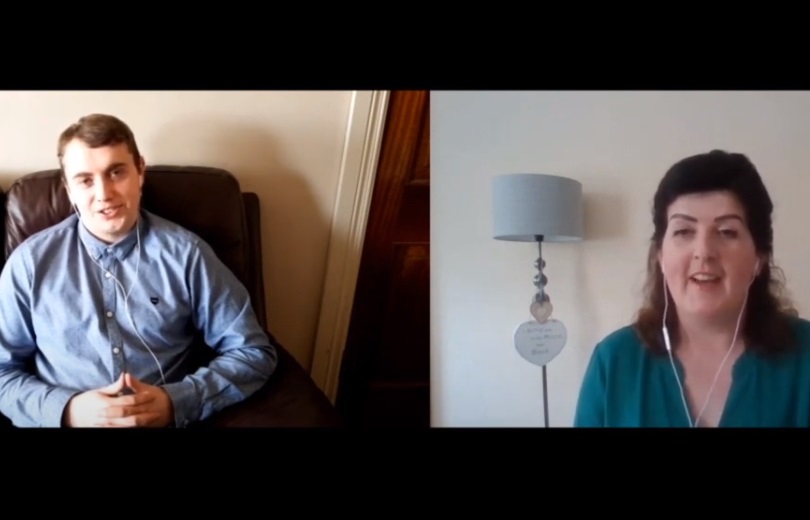
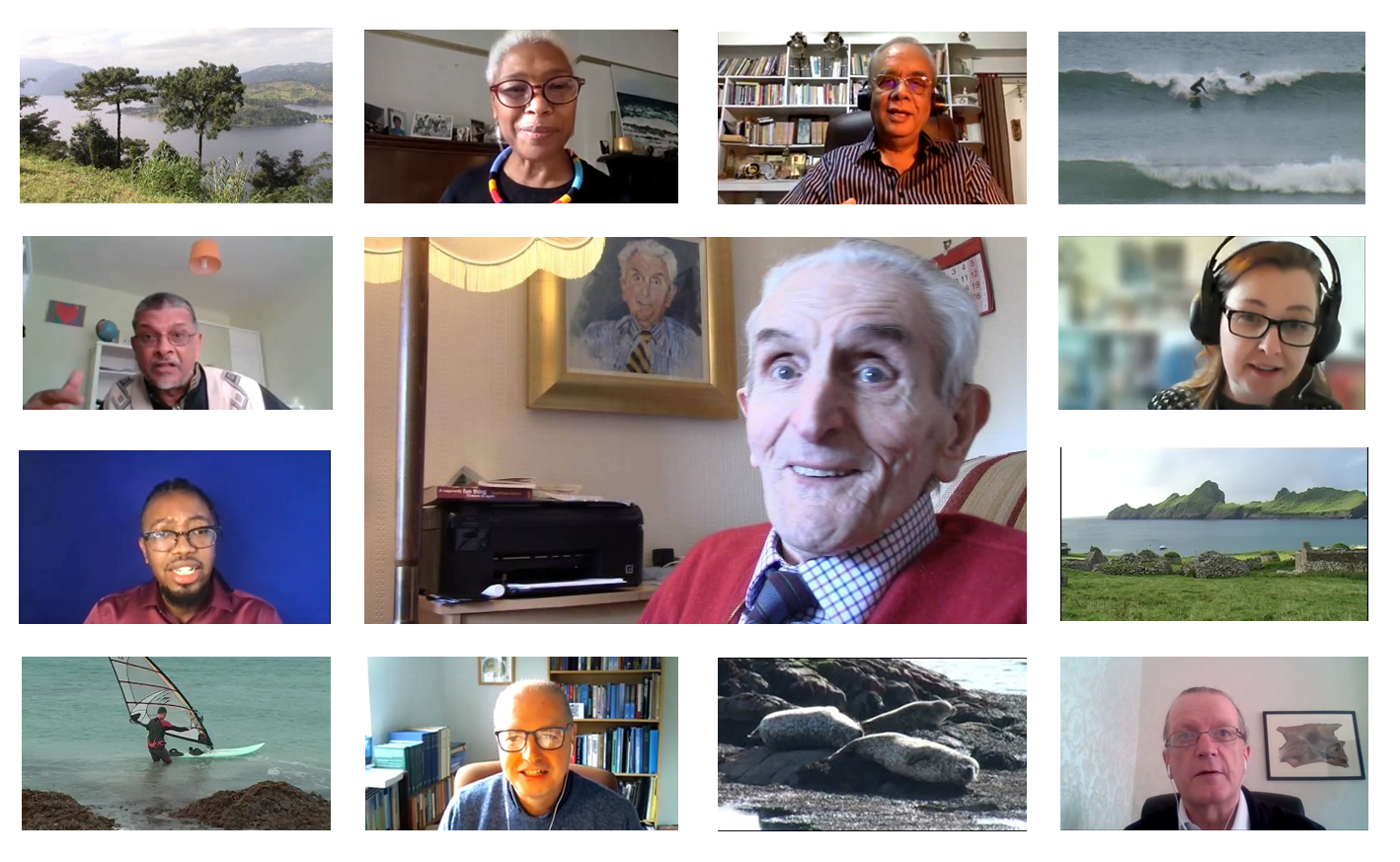
We’ve recently placed a whole series of “Talking Points with Norman Maclean” recordings on our YouTube channel, built on a merging of materials and ideas from the Soillse/UHI Language Sciences Institute projects Mediating Multilingualism and Saoghal Thormoid. In the last few weeks of the funded period for Mediating Multilingualism, linguists in universities in Scotland, India, and Jamaica discussed topics of common interest with UK-based community language speakers, stimulated by brief extracts from the final session of Saoghal Thormoid. And these discussions are now available to view.
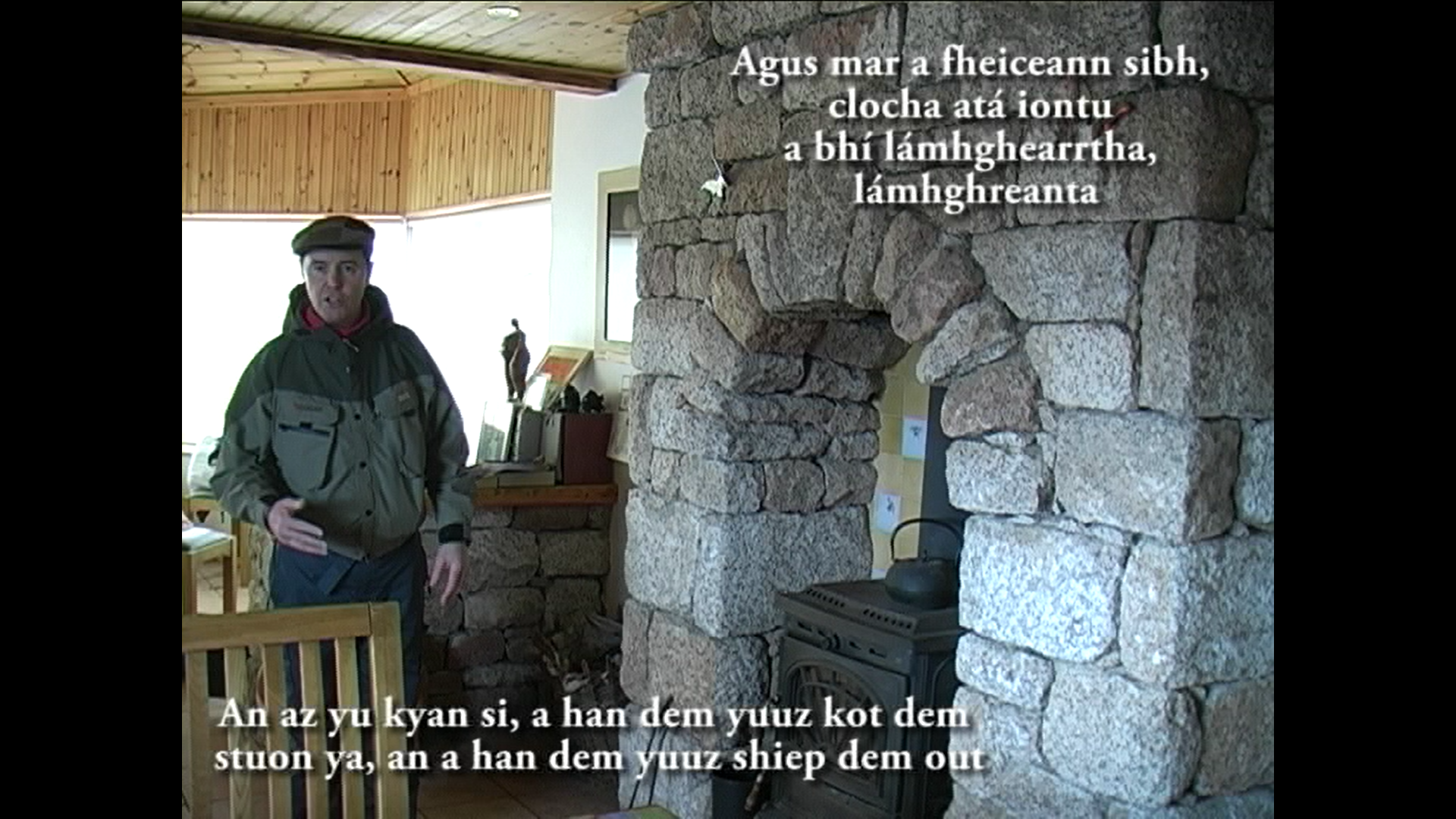
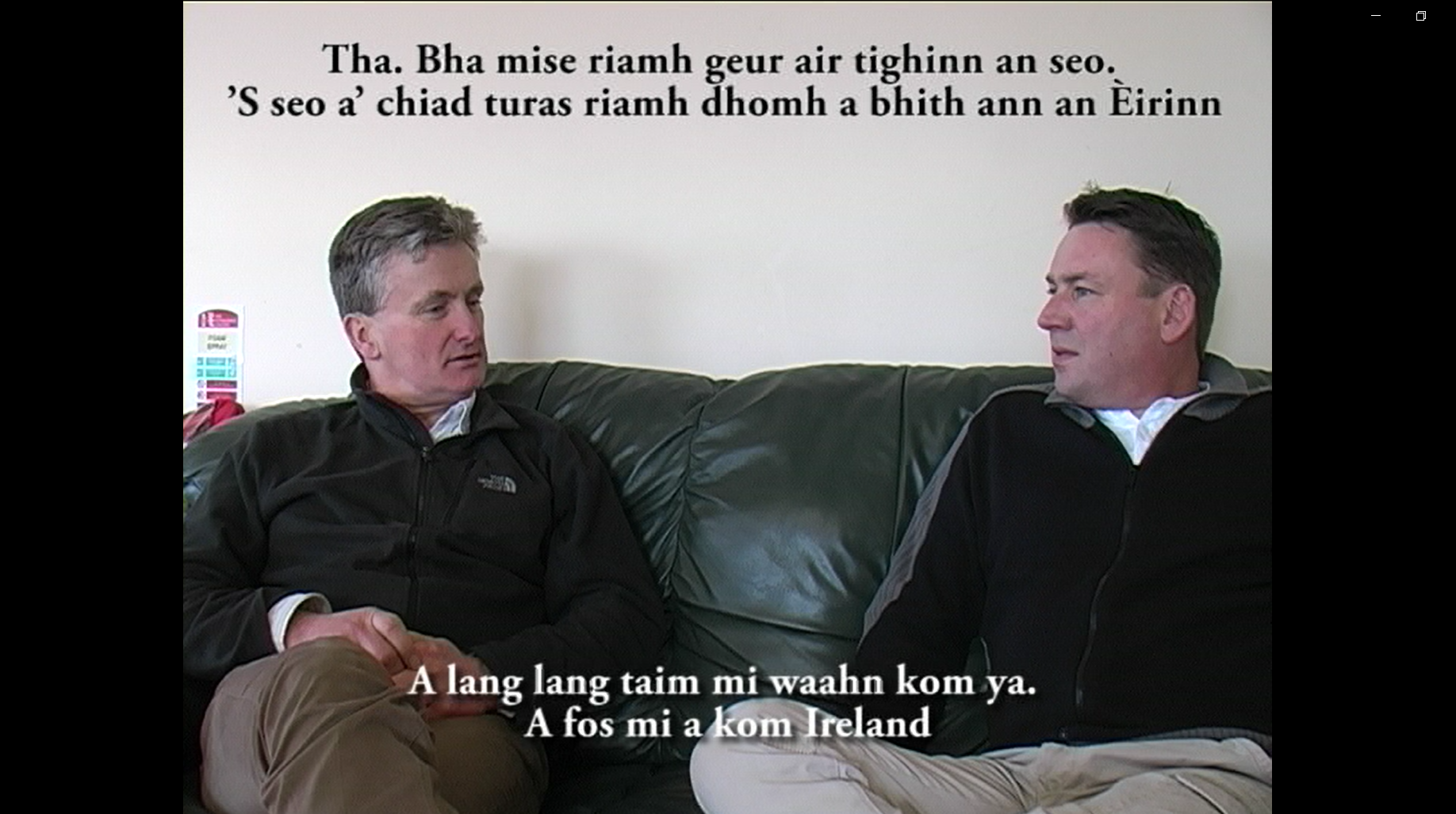
It’s an experimental format, mixing subtitled Gaelic recordings with live English debate. The topics are sociolinguistic, covering Language Endangerment (Gaelic Trajectory?), Language Hierarchies (English Ascendancy?), and Language Contact (Bilingual Balance?). And they may raise just as many questions as answers, if not more. Just the thing then for the enquiring mind, and quite in the spirit of the “Teach-in” philosophy described in our 2019 post! In the end, we didn’t set up a separate online forum then, and we won’t now. There are perfectly good comment and reply functions on YouTube and here on WordPress for any questions readers or listeners may have.
YouTube Playlist
But to help provide a degree of focus or sense of direction – without closing down the options for diverging lines of thought and enquiry – we’ve put together a special “box set” International Island Voices MOOT playlist on YouTube that brings together the Talking Points material with some other key videos from our overall body of work which underpin and exemplify our multilingual approach.
Previews
By the way, we knitted some 2-minute Norman Maclean “highlights” into the recorded discussions, as an aide memoire for the longer extracts that were being discussed. If you want a quick taste of a topic, we’ve extracted them here, and you can take a quick look at any of them now, before choosing which full discussion to dive into for the wider treatment.
| 1. Gaelic Trajectory? | 2. English Ascendancy? |
| [youtube https://www.youtube.com/watch?v=4lfvx4cF6-4&w=280&h=157] | [youtube https://www.youtube.com/watch?v=SBqk3mSQPM4&w=280&h=157] |
| 3a. Bilingual Balance? | 3b. Homecoming Postscript |
| [youtube https://www.youtube.com/watch?v=NR7w2G7ihYY&w=280&h=157] | [youtube https://www.youtube.com/watch?v=XFGInaf_DGQ&w=280&h=190] |
Taking Part
There’s no start or stop date on this. The “Talking Points” participants are separated by up to ten and a half hours difference in time zones between India and Jamaica, so a simultaneous “launch” has not been feasible. And our geographical catchment is worldwide, so the approach is deliberately asynchronous – completely independent of any timetable. View the videos, ask questions, and make comments (which will be moderated) as and when you can and wish. Please be polite, and be prepared to be patient if waiting for responses.
Choosing where to comment is up to you. Specific queries about particular videos may be best posted under the relevant YouTube clip. But if your point or question is more general, then a comment here under this WordPress post may be the best place.
Binge-watching the whole playlist in one go is probably doable, if challenging, but perhaps not the best way of giving yourself time to think through issues that arise and about which you may have questions. A better approach might actually be to split up the longer discussion videos into smaller chunks – for which the “chapters” function in YouTube may well come in handy. If you take a look at the video description for any of these long clips you’ll find timed listings for each of the speakers, which you can click on to go straight to that particular point in the film.
And any time you catch yourself wondering which one’s Treebeard, it’s probably time for a break…
We’re pleased to have a receptive and supportive audience and readership, of course, but comments, questions and other feedback are always very welcome. Wikipedia tells us “Teach-ins are meant to be practical, participatory, and oriented toward action. While they include experts lecturing on their area of expertise, discussion and questions from the audience are welcome…”
Dear readers, whether you have questions or suggestions, the MOOT is open. We invite you to “unmute”!
 “Winta jos a ton ina spring ina di Outer Hebrides, we de pan Scotland wes kuos. Di priti plies dem mek yu memba se dem ailan ya suun fulop a piipl we lef dem yaad an kom pan alidie ina di at mont dem we suun riich, bot rait ya nou wan gruup a luokal piipl a go pan a chrip pan di Naatwes kuos a Ireland. Bak ina di diez, dem wuda chavl bai waata an wuda go fram ailan tu ailan ina dis lang schring a komyuuniti we piipl ongl chat Gaelic. Bot nou-a-diez Benbecula ierpuot gi piipl wan iiziya an muo komfatebl wie fi go bout dem bizniz…” (