“Bhuail e mi nach eil cruinneachadh de sheanchas a tha a’ buntainn ri Sgìre nan Loch an àite sam bith, is gum bu chòir dhomh cuid aca a thoirt cruinn agus mar a bha sa chleachdadh bho chionn fhada an aithris. ‘S e bha nam amharc gum biodh iad ri làimh dha daoine òga a tha ag iarraidh an aithris aig a’ Mhòd, no aig a bheil ùidh ann am beatha anns an sgìre bho chionn fhada”.
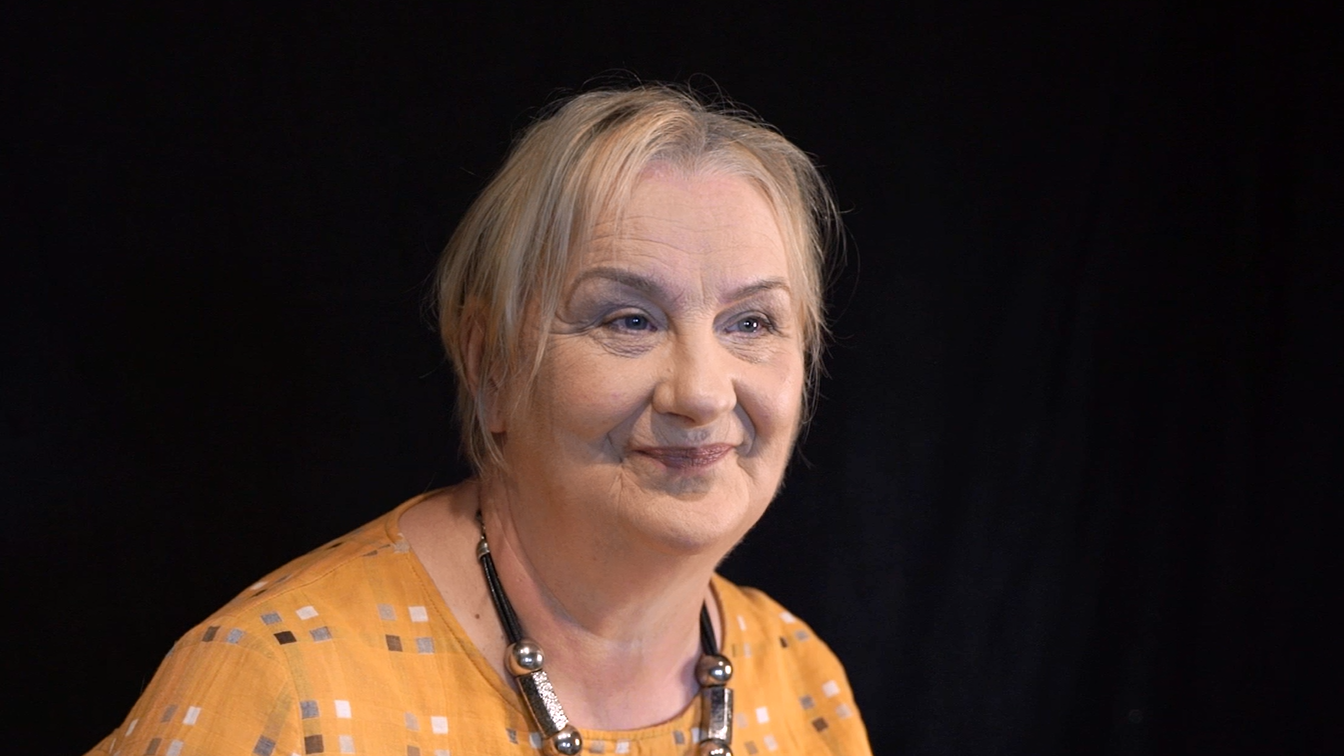
Magaidh Smith explains how the need for a collection of traditional tales from the Lochs district motivated her to record some in the old style. They might be useful for young people entering the Mòd, or who are interested in the traditional life of the area. We’re delighted that she offered them to Island Voices to place online. They will also contribute to the Stòras Beò collection.
Here she retells the story of Calum Bàn, Tacksman of Laxay, from her own knowledge of oral tradition.
You can access a wordlinked transcript on Clilstore with the video embedded here: https://multidict.net/cs/10037
Here she brings back to Gaelic life a story from William Cummings’ edited collection “Family Traditions: John Macleod, 11 Melbost”.
You can access a wordlinked transcript on Clilstore with the video embedded here: https://multidict.net/cs/10036
Dhaibhsan a dh’fhaodadh a bhith ag iarraidh Gàidhlig sgrìobhte fhaicinn an seo bho àm gu àm, seo dà alt a nochd o chionn treiseag ann an “Sgrìobag” – a’ chuairt-litir aig Sabhal Mòr Ostaig – air an cur còmhla. ’S ann mu dheidhinn Uidsianàguidsidh agus Diaimeugan a bha iad.
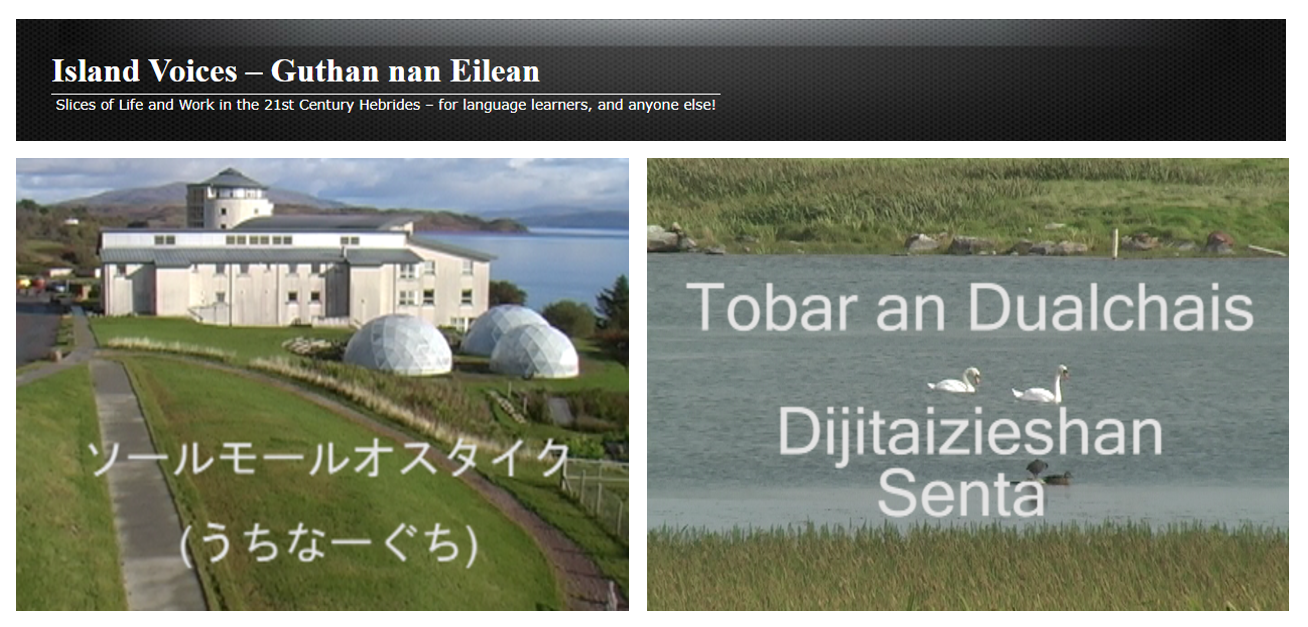
“Uidsianàguidsidh”?? Seadh, sin mar a dh’fhaodadh tu うちなーぐち, ainm cànan Okinawa, a sgrìobhadh ann an Gàidhlig, nam biodh feum air – mar a bha aig Caoimhín Ó Donnaíle nuair a sgrìobh e duilleag ghoirid ma deidhinn airson an Uicipeid.
Agus carson a rinn e sin? Leis gun tug Gordon Wells air aonad Chlilstore a thogail sa chànan sin, a rachadh le film mu dheidhinn Sabhal Mòr Ostaig a chaidh a dhèanamh airson Guthan nan Eilean. Chan e obair bheag a bha sin. Leis nach eil faclair air-loidhne ann airson Uidsianàguidsidh, bha feum air “custom wordlist” a chur cuide ris. ’S e rud gu tur ùr a tha sin airson Clilstore, a bhios gu math feumail le mion-chànain eile a tha san aon staing.
Bidh cuimhne aig cuid gun deach am film seo a dhèanamh ann an Gàidhlig agus Beurla an toiseach, le tionndadh ann am Breatnais a’ tighinn a-mach as dèidh sin.
Cha bhithear a’ cluinntinn mòran mu dheidhinn Uidsianàguidsidh ann an Alba, no fiù ’s ann an Seapan, ach ’s e cànan gu math inntinneach a th’ ann. Seo am film “ùr” air YouTube le ceangal ri Clilstore na lùib:
Agus seo cànan ùr eileanach eile airson Clilstore. ’S e “Diaimeugan” – no “Jamiekan” mar a chuireas iad air san speiligeadh aca fhèin – an crìtheol a thathas a’ bruidhinn air an eilean ud air taobh thall a’ Chuain Siar, ach a chluinneas tric gu leòr san dùthaich seo cuideachd, gu h-àraid mas math leat ceòl Reggae no Dancehall.
Co-dhiù, tron phròiseact “Mediating Multilingualism”, tha Gòrdan agus Caoimhín air a bhith ag obair airson ’s gum biodh e comasach an aon seòrsa rud a dhèanamh ann an Diaimeugan le Clilstore agus a thèid a dhèanamh a-nis le Uidsianàguidsidh agus iomadach cànan eile, Gàidhlig (an dà chuid Albannach is Èireannach) nam measg. Chaidh aca air a’ chiad eisimpleir a chruthachadh o chionn ghoird, le tòrr a bharrachd fhathast ri teachd.
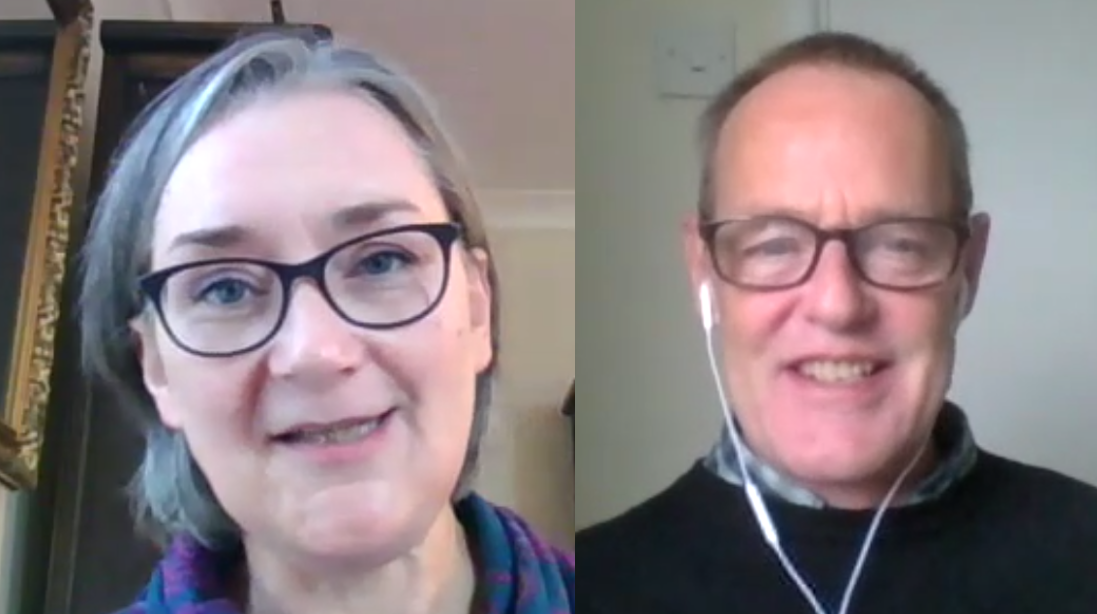
A-rithist, ’s e seann fhilm le Guthan nan Eilean a chaidh a chleachdadh airson an siostam fheuchainn a-mach, an turas seo air Tobar an Dualchais agus an t-ionad a b’ àbhaist a bhith aca ann an Loch Baghasdail deich bliadhna air ais. Mòran taing do Hugh Caimbeul aig an Jamaican Language Unit aig Oilthigh nan Innseachan an Iar airson a ghuth a chur ris. Bidh cuimhne aig cuid gu bheil tionndadh eile ann ann an Sgots mar-thà le Alistair Heather, a bharrachd air Gàidhlig is Beurla.
Faodar barrachd a leughadh ann am Beurla air ar blog mu dheidhinn an dà chuid Uidsianàguidsidh agus Diaimeugan agus mar a tha iad a’ cur ris na cànain eile againn. Tha 21 againn uile gu lèir a-nis. Cò an ath fhear?
The poet and UHI lecturer Dr Anne Frater was born in Stornoway, Isle of Lewis, and brought up in the village of Upper Bayble in the district of Point, a small community which has also been home to Derick Thomson and Iain Crichton Smith.
In the first part she talks about her family and early childhood in Point. Her mother was a teacher and her father at sea. She recalls with appreciation her primary schooling at Sgoil Phabail, and the breadth of extra-curricular activity enabled by her teachers, extending into the 2-year secondary stage. Participation in inter-school activities and local mods, where she won her first poetry prize, is fondly remembered. The area has changed, with much less working on the land. There are many new houses, and more children around again now after a period when there were very few.
A wordlinked transcript alongside the embedded video is available here: https://multidict.net/cs/10007
In the second part Anne talks about her experience as a pupil of the Nicolson Institute in Stornoway. She enjoyed the learning, though teenage years can be difficult. While she was interested in science her forte was languages. Again, she appreciated the teachers who encouraged or enabled the development of interests and activities outside the class, such as concerts or sales of work for charity. Then, at Glasgow University she studied French and Gaelic, spending a year in Brittany where she had some exposure to Breton. She liked Glasgow, and went on to do teacher training and then a PhD before finding media work with STV (on Machair) and the BBC (Eòrpa) in Gaelic, and with the Lesley Riddoch programme in English. But city life was beginning to pall, so she listened to her mother and returned to Lewis.
A wordlinked transcript alongside the embedded video is available here: https://multidict.net/cs/10008
In the third part Anne and Pàdruig recall the early years of the University of the Highlands and Islands, when colleges co-operated in the creation of Gaelic-medium courses. Anne appreciates the UHI mix of Higher and Further Education, and the opportunity to contribute to courses in Gaelic and English, as well as the range of delivery methods, including online for remote students. Moving on to her poetry, she reveals how her interest started at a young age, and the important influence of local bards, including women such as her great aunt Ciorstaidh Anna. At university Derick Thomson was also supportive, helping her get published in the Gaelic circular, Gairm. And she notes that his father James had been the local schoolmaster for earlier generations of local poets. She also discusses how her work is stimulated, whether through commission or spontaneously.
A wordlinked transcript alongside the embedded video is available here: https://multidict.net/cs/10009
In the fourth part, the conversation returns to changes in the area since Anne’s childhood. With less working on the land it has become more a family than a community activity. Stornoway seems quieter, though Sabbath observance has changed. While the community seems less close in some ways, lockdown brought out a strong co-operative spirit amongst neighbours. She considers the islands’ experience of the pandemic has been less burdensome than for many city dwellers. In discussing changing patterns of Gaelic use, she notes that nowadays many children attending Gaelic-medium education do not have the language at home. It is being left to the schools to teach it. There is a general assumption that young people do not speak it by preference. So using it with them, when their own parents don’t speak it, may raise interesting questions. Nevertheless, even though by census figures it is now a minority language in her own community there remains an appetite for Gaelic events.
A wordlinked transcript alongside the embedded video is available here: https://multidict.net/cs/10010
 “Bhuail e mi nach eil cruinneachadh de sheanchas a tha a’ buntainn ri Sgìre nan Loch an àite sam bith, is gum bu chòir dhomh cuid aca a thoirt cruinn agus mar a bha sa chleachdadh bho chionn fhada an aithris. ‘S e bha nam amharc gum biodh iad ri làimh dha daoine òga a tha ag iarraidh an aithris aig a’ Mhòd, no aig a bheil ùidh ann am beatha anns an sgìre bho chionn fhada”.